Southbound Sandwiches: A Culinary Journey Across Latin America
From Uruguay’s towering chivito to Trinidad’s shark-filled fry bread eaten beside crashing seas, sandwiches of South America and the Caribbean are imbued with tales of migration, labour, port-city bustle and late-night hunger binges

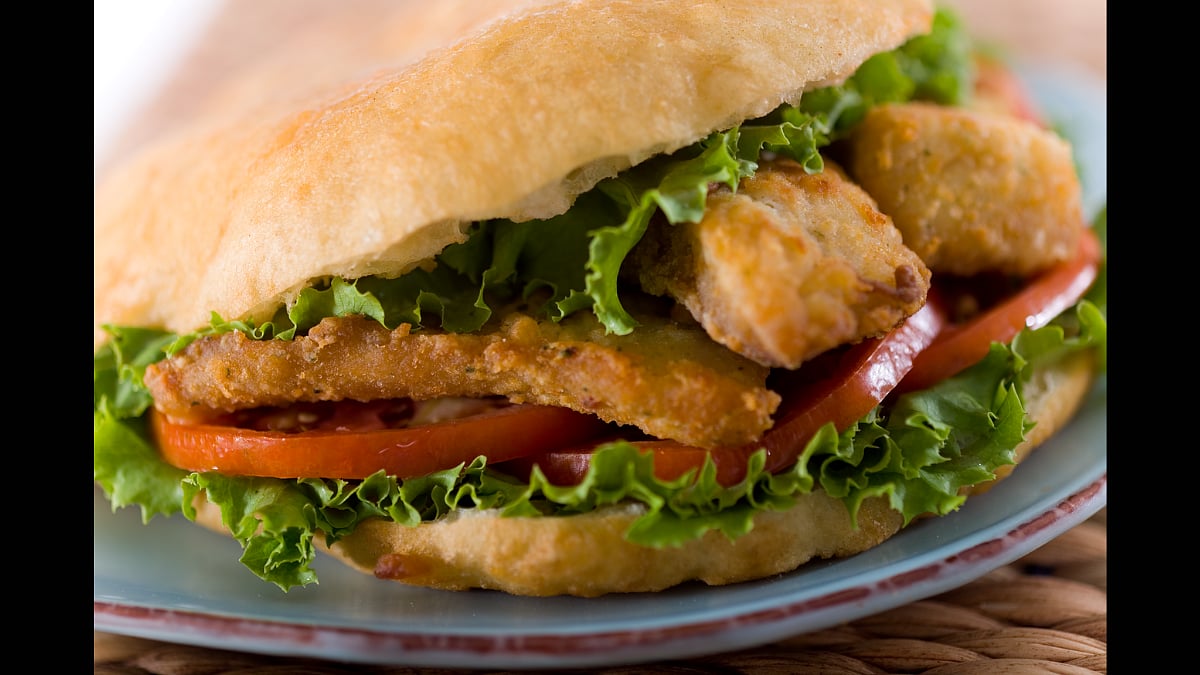
CreoleBake&Shark |
The denizens of Montevideo like to argue that the chivito was born because of a mistake. In the 1940s, a traveller at a restaurant called El Mejillón asked for goat meat, or chivito, and the kitchen improvised instead, piling thin beef steak into bread with ham, mozzarella, olives, bacon, lettuce, tomato and mayonnaise. The result stayed, even though no goat appeared in it at all. Today, the sandwich arrives with the swagger of a full meal, usually escorted by fries and a runny fried egg. In Uruguay, where cattle culture shapes both economy and appetite, the chivito is much less street food and more like a declaration of national character!
Across the Río de la Plata in Argentina, the choripán keeps things simpler. Chorizo sausage, blistered over charcoal grills, is tucked into crusty bread and slicked with chimichurri. Outside football stadiums in Buenos Aires, smoke from open grills called parrillas hangs in the air long before kick-off. Choripán is often the first thing eaten at an asado gathering, passed around while larger cuts continue cooking. The sausage itself shifts depending on region, some coarse and heavy with paprika, others brighter with garlic, but the ritual stays fixed. Bread catches dripping fat, chimichurri cuts through richness, and conversations stretch as long as the fire lasts.
Port City Bites
Brazil’s sanduíche de mortadella belongs to São Paulo’s Mercado Municipal, where queues curl around counters waiting for slices of mortadella stacked almost absurdly high. Italian immigration shaped much of the city’s food culture, and the sandwich reflects that inheritance. Mortadella arrived with workers from Bologna and settled into Brazilian life through bakeries and market cafés. At the famous Bar do Mané, the sandwich is assembled with warm bread and mountains of thinly shaved sausage that threaten to collapse at first bite. There is humour in its excess, though also history. São Paulo became one of the largest Italian diasporic centres outside Italy, and its most famous sandwich still tastes faintly of that crossing.
Further north, Cuba’s Cubano tells another migration story. The sandwich travelled between Havana and Florida alongside cigar workers and labourers moving through the Caribbean. Cuban bread, roast pork, ham, Swiss cheese, mustard and pickles are pressed until crisp at the edges and molten inside. Tampa insists salami belongs in it because of Italian workers in Ybor City, while Miami often rejects the addition entirely. Those arguments remain part of the sandwich’s folklore. Either way, the Cubano works because of balance: salty ham, citrus-marinated pork, sharp mustard and the sudden snap of pickles cutting through melted cheese.
Islands Between
Mexico’s torta refuses a fixed definition because nearly every region bends it differently. In Mexico City, bolillo rolls are stuffed with milanesa cutlets, refried beans, avocado, shredded lettuce and pickled jalapeños. Near Puebla, cemita-style tortas carry sesame-seed bread and papalo, an herb with a scent somewhere between coriander and arugula. Torta ahogada from Guadalajara is drowned in chilli sauce until eating becomes gloriously messy. The torta evolved through colonial-era baking traditions merging with indigenous ingredients and later migrant influences from Lebanon and Europe. What remains consistent is portability. Wrapped in paper, tortas fuel office workers, bus travellers and market vendors moving through crowded streets.
On Trinidad’s Maracas Beach, bake-and-shark captures the Caribbean’s love for frying, spice and seaside eating. The “bake” is not baked at all but fried dough that puffs into a soft pocket. Inside goes seasoned shark, often marinated with green herbs, garlic and lime before hitting hot oil. Then comes the part locals debate endlessly: tamarind sauce, pineapple chutney, pepper sauce, cucumber, coleslaw or shadow beni chutney layered according to personal loyalty. Vendors guard recipes fiercely. Conservation concerns around shark fishing have changed parts of the tradition, with some stalls substituting other fish, though the name endures. What matters most is the setting, standing barefoot near the water with pepper sauce dripping onto wrists while steelpan music drifts across the beach.
What these sandwiches reveal is a continent and its islands through movement. Cattle routes in Uruguay and Argentina, Italian migration into Brazil, Caribbean labour networks around Cuba, colonial bread traditions in Mexico and fishing communities in Trinidad all survive between slices of bread. They are foods designed for workers, travellers and revellers, eaten leaning against counters, beside football grounds or facing the sea. Yet each one carries a map larger than itself, proving that sandwiches can hold geography as securely as they hold filling.
In roadside cafés and crowded markets alike, these sandwiches reveal how the Americas season food with argument and pride. Everyone claims the best version exists at one stall, usually the one with the queue and the regulars inside.
(The writer is a food and travel columnist and editor.)
RECENT STORIES
-
-
-
-
-