Rinku Singh's Father Dies Due To Stage-4 Liver Cancer: All You Need To Know About This Deadly Disease
Rinku Singh’s father, Khanchand Singh, has died from stage-4 liver cancer after prolonged illness and hospitalisation in Greater Noida. Stage-4 liver cancer, as defined by medical experts, is an advanced, aggressive form that spreads beyond the liver. Treatment at this stage focuses on symptom relief and quality of life, as a cure is rarely possible.

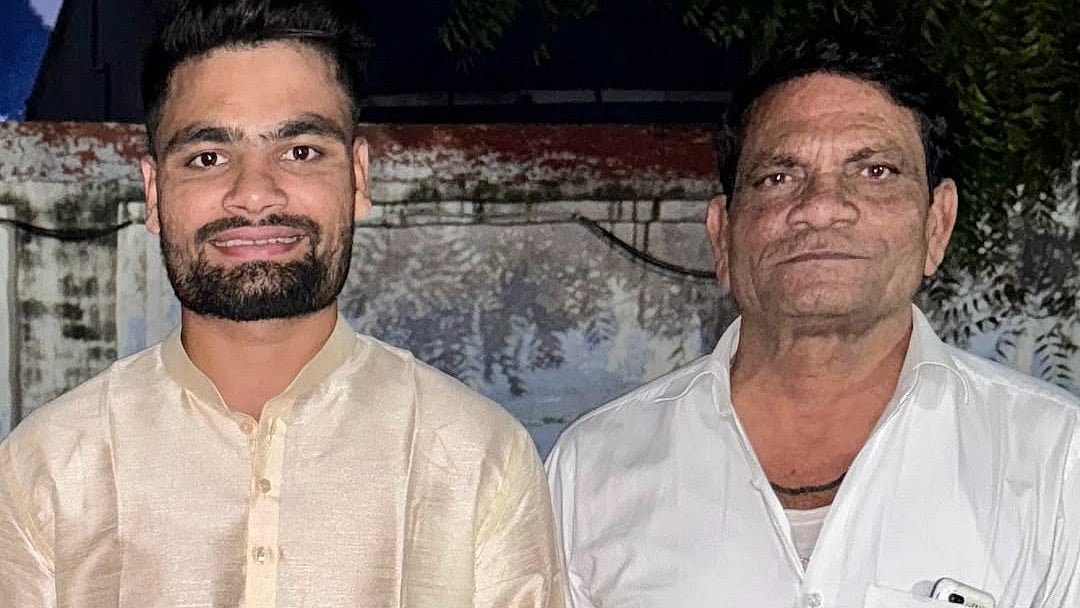
Indian cricketer Rinku Singh is mourning the loss of his father, Khanchand Singh, who passed away on Friday morning at Yatharth Hospital in Greater Noida. After battling illness for an extended period, Khanchand’s condition recently took a turn for the worse. Despite ongoing medical attention and the tireless efforts of doctors, he succumbed to stage 4 liver cancer, an aggressive and advanced form of the disease.
What is Liver Cancer?
Liver cancer, as explained by the Cleveland Clinic, is a severe and life-threatening condition characterised by malignant tumours in the liver, the body’s largest and one of its most vital organs.
Liver cancer can be categorised as either primary (originating in the liver) or secondary (spreading to the liver from elsewhere in the body). Primary liver cancer is particularly concerning due to the organ’s crucial role in digestion, detoxification, and metabolic processes.
ALSO READ
More about stage-4 liver cancer
Stage-4 liver cancer is the most advanced phase of the illness and is further divided into stages 4A and 4B, according to Cancer Research UK. In stage 4A, the cancer may involve multiple tumours, invasion of blood vessels or nearby organs, and spread to lymph nodes, but not to distant organs. Stage 4B indicates that the cancer, irrespective of size or tumour count, has possibly affected lymph nodes and has definitely spread to distant parts of the body.
Treatment and cure
Unfortunately, treatment options for stage 4 liver cancer are limited. While a cure is rarely possible at this stage, the medical focus shifts to controlling the cancer’s growth, alleviating symptoms, and improving the patient’s quality of life through palliative care, targeted therapies, and supportive measures.
Disclaimer: This article is for informational purposes only and should not be considered a substitute for professional medical advice. Always consult your doctor for any concerns or questions regarding your health or medical condition.
Want to take a break from the news? Play our games on game.freepressjournal.in
RECENT STORIES
-
-
-
-
-