Riddhima Kapoor Sahni Shares How Parents Can Help Children Handle Peer Pressure
From building confidence to learning how to say no, simple lessons that help children stay true to themselves

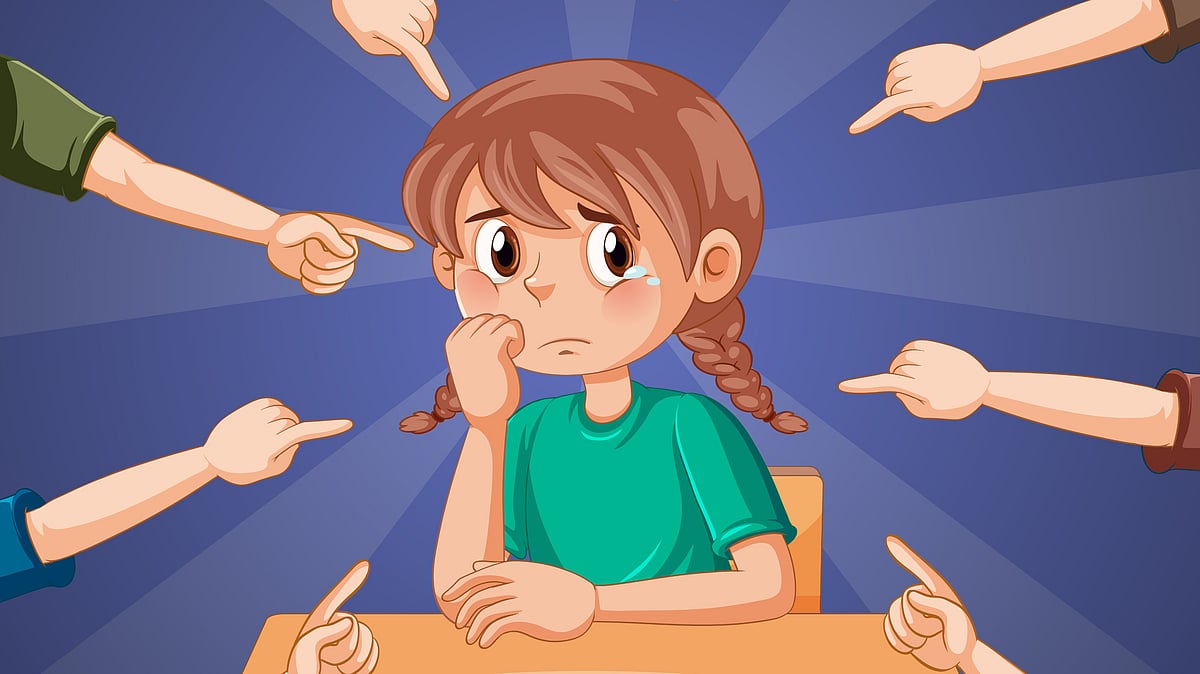
Peer pressure is a very normal and unavoidable part of growing up. At some stage in their lives, all children experience it in one form or another. It usually occurs when children feel pushed or influenced to behave in a certain way simply to fit in with their peers. The fear of being left out, judged, or isolated can be overwhelming, especially during the school years when friendships and social acceptance matter deeply.
Children may agree to things they are uncomfortable with not because they want to, but because they fear losing friends or being labelled as “different.” Understanding this emotional need for belonging helps parents approach the topic with empathy rather than fear or control.
Recognising peer pressure
The first step in teaching children how to handle peer pressure is helping them recognise it. Children need to understand that feeling uneasy, uncomfortable, or pressured is often a sign that something isn’t right. When they are able to identify these emotions, they are better equipped to pause and think before reacting.
Regular conversations about everyday situations—at school, during playdates, or even while watching shows—can help children understand how peer pressure works in real life. Awareness gives them the ability to respond calmly and wisely instead of acting out of fear or impulse.
Building confidence
Confidence plays a crucial role in how children deal with peer pressure. Children who believe in themselves and trust their instincts are less likely to be swayed by others. Parents can help build this confidence by encouraging children to think independently and reassuring them that it’s okay to have opinions that differ from their friends.
Simple affirmations, listening patiently, and validating their feelings go a long way in strengthening a child’s self-belief. When children feel secure about who they are, they don’t feel the constant need to seek approval from others.
Communication matters
Open and honest communication is essential. Children should know that they can talk freely with their parents, siblings, teachers, or even grandparents—without fear of being judged or scolded. Having a safe space to express themselves helps children process their experiences and emotions in a healthy way.
When children know they will be listened to calmly, they are more likely to share their worries, dilemmas, and social struggles. This open line of communication often prevents small issues from becoming bigger problems.
How to say no
One of the most important life skills children need is learning how to say no. Saying no does not mean being rude or aggressive. Children should be taught that they can be polite, calm, and firm at the same time.
A simple “I’m sorry, I don’t want to do this” or “I’m not comfortable with that” is enough. Teaching children to stand up for themselves while remaining kind helps them navigate peer situations confidently and respectfully.
When to walk away
As children grow, forming groups and wanting to belong becomes natural. However, they also need to understand that it is perfectly okay to walk away from situations that make them uncomfortable. Trusting their instincts is an important part of emotional intelligence.
Walking away is not a sign of weakness—it is a sign of self-awareness and strength. Helping children understand this empowers them to make healthier choices for themselves.
Power of positive role modelling
Adults play a powerful role in shaping how children respond to pressure. Children observe how parents handle disagreements, stress, and social situations. They often imitate these behaviours without realising it.
By modelling calm decision-making, assertiveness, and kindness in everyday life, parents teach children how to respond to peer pressure in a balanced and thoughtful manner.
Creating strong foundation
Above all, children need to feel loved and supported, no matter what. They need to know they are not alone and that their family stands by them in every situation. This sense of unconditional support gives them emotional strength.
When children feel secure, valued, and understood, they gain the confidence to make positive choices, handle peer pressure with maturity, and interact with friends calmly and confidently.
Teaching children to handle peer pressure is not about one serious conversation—it’s about ongoing guidance, trust, and being the steady presence they can always rely on.
(Riddhima Kapoor Sahni is a jewellery designer and daughter of veteran actors Rishi Kapoor and Neetu Kapoor)
RECENT STORIES
-
-
-
-
-