PM Modi Urged Indians To Do 'Natural Farming'; Meet Fukuoka, A Japanese Farmer & Philosopher Who Introduced The Term
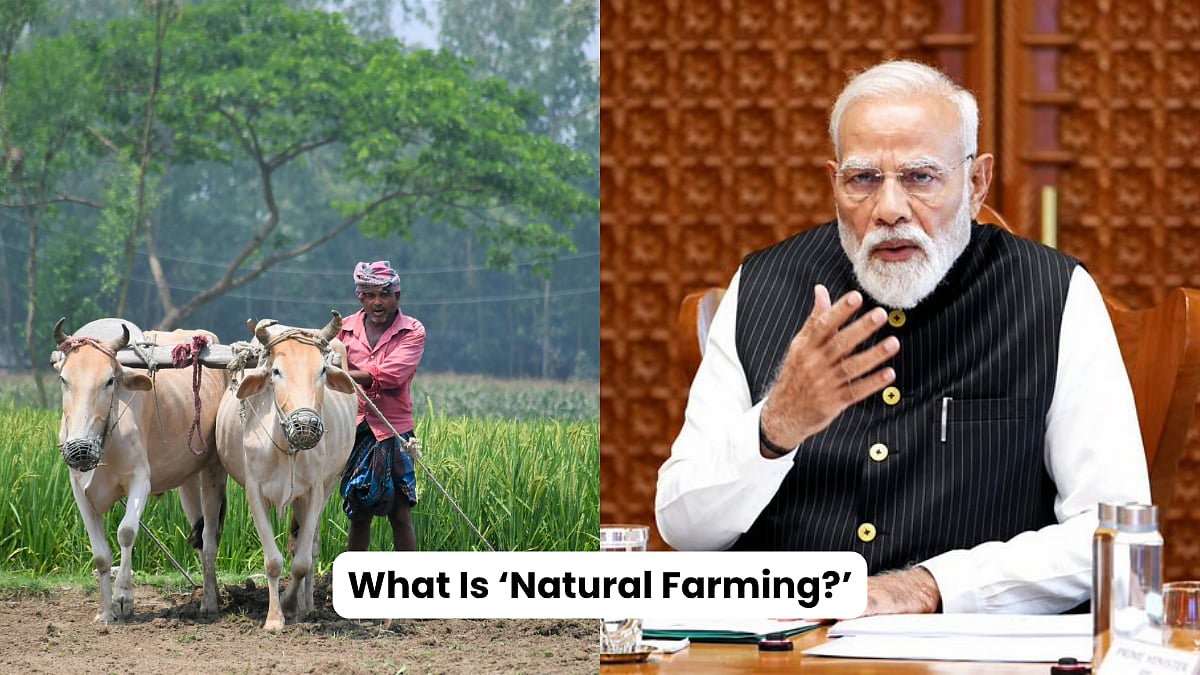
Prime Minister Narendra Modi recently urged Indians to embrace natural farming as part of his larger vision focused on sustainability, environmental responsibility and long-term agricultural resilience. During his address, PM Modi highlighted the need for farming practices that are healthier for both people and the planet.

PM Modi Urged Indians To Do 'Natural Farming'; Meet Fukuoka, A Japanese Farmer & Philosopher Who Introduced The Term |
Prime Minister Narendra Modi recently urged Indians to embrace natural farming as part of his larger vision focused on sustainability, environmental responsibility and long-term agricultural resilience. During his address, PM Modi highlighted the need for farming practices that are healthier for both people and the planet, while reducing dependence on chemical-based agriculture.
Natural farming, often associated with the globally recognised “Fukuoka Method,” traces its roots to Japanese farmer and philosopher Masanobu Fukuoka. Fukuoka introduced the concept through his influential 1975 book The One-Straw Revolution, which went on to inspire sustainable farming movements across the world.
The philosophy behind natural farming focuses on working alongside nature instead of trying to control it through excessive industrial intervention. Often described as “do-nothing farming,” the approach discourages the heavy use of synthetic fertilisers, pesticides and artificial chemicals that are commonly used in conventional agriculture.
Instead, natural farming promotes ecological balance by encouraging biodiversity within farmlands. Crops, insects, microorganisms and soil ecosystems are allowed to coexist naturally, creating a self-sustaining agricultural environment. Supporters of the method believe that healthier soil and balanced ecosystems can improve crop resilience while protecting long-term land fertility.
ALSO READ
Another major advantage of natural farming is its cost-effectiveness. Since the method relies more on local resources and natural processes rather than commercially manufactured agricultural products, it can significantly reduce input costs for farmers. This has made the practice increasingly relevant for discussions around sustainable rural development and self-reliant farming systems.
In recent years, natural farming has gained global attention as concerns surrounding climate change, soil degradation and food security continue to rise. Experts and environmental advocates increasingly view regenerative agricultural practices as a possible long-term solution for restoring damaged ecosystems while ensuring sustainable food production.
RECENT STORIES
-
-
-
-
-