Nail Biting Isn’t Just A Bad Habit—Here’s What It Says About You
From stress and anxiety to unconscious coping, experts explain the hidden meanings behind nail-biting and when it may signal something deeper

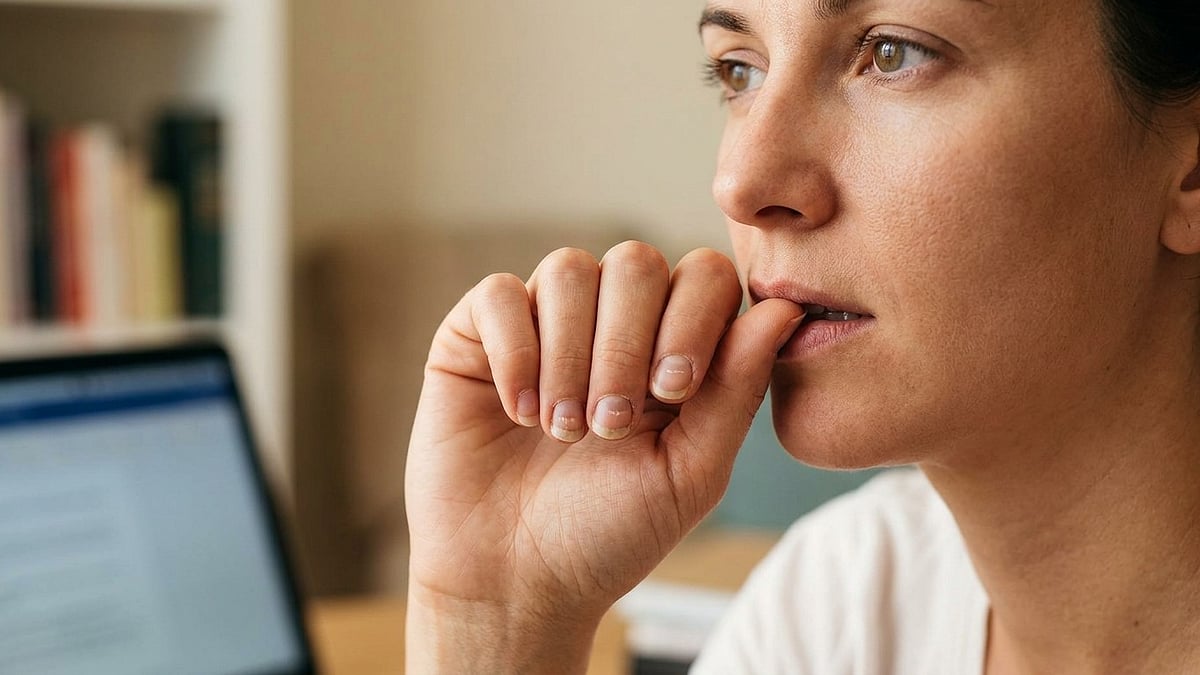
You're watching a movie, studying for an exam, sitting in traffic, or waiting for an important email. Before you even realise it, your fingers are in your mouth and you're biting your nails. For many people, nail biting happens almost automatically. While it's often dismissed as a bad habit, experts say it can sometimes reveal more about your emotional and physical well-being than you might think. Medically known as onychophagia, nail biting affects both children and adults. In many cases, it is harmless, but when it becomes frequent or difficult to control, it may be worth paying closer attention.
Here are five things your nail-biting habit could be telling you.
Your brain's way of coping with stress
One of the most common reasons people bite their nails is stress. Whether it's work pressure, exams, family problems, or everyday worries, nail biting can become an automatic response during tense moments. Many people don't even realise they are doing it until someone points it out. The repetitive movement can temporarily distract the brain from stressful thoughts, making it feel calming in the moment.
Ekta Dharia, Clinical Psychologist and Psychotherapist, says, “Nail biting is a common habit often linked to stress, anxiety, boredom, or nervousness. Many people do it without even realising, especially during tense situations. While it doesn't always indicate a mental health condition, frequent and uncontrollable nail biting can sometimes reflect underlying anxiety or difficulty managing emotions. Understanding the trigger is often more important than simply trying to stop the habit.”
When nail biting becomes a comfort habit
Nail biting isn't always triggered by anxiety. Sometimes people do it simply because it feels comforting. Just like some people tap their feet, twirl their hair, or click a pen, nail biting can become a repetitive behaviour that helps regulate emotions or relieve boredom. The habit often develops over time until the brain begins to associate it with relaxation or comfort, making it difficult to stop.
Janvi Goenka, a student at SP Jain School of Global Management, shares, “I've been biting my nails for years, especially during exams, deadlines, or whenever I'm overthinking. Most of the time, I don't even realise I'm doing it until someone points it out. It feels like a small habit, but looking back, I think it's often been my way of dealing with stress without even knowing it.”
It can affect more than your nails
Although occasional nail biting may not cause major problems, frequent biting can damage the nails and the surrounding skin. This increases the risk of infections and can make nails grow unevenly. The habit may also affect dental health. Constant biting can chip teeth, wear down enamel, or strain the jaw over time. Since fingers come into contact with many germs throughout the day, nail biting can also increase the chances of bacteria entering the body.
It could be a sign of something deeper
For some people, nail biting goes beyond being an occasional habit. If it becomes repetitive, difficult to control, or starts interfering with daily life, it may be linked to conditions such as chronic stress, anxiety disorders, or Obsessive-Compulsive Disorder (OCD). This does not mean that everyone who bites their nails has a mental health condition. However, if the behaviour causes pain, bleeding, embarrassment, or continues despite repeated efforts to stop, it may be worth discussing with a mental health professional.
Why is it so hard to stop
Many nail biters aren't aware they are doing it. The habit often happens while watching television, working on a computer, reading, or thinking deeply about something else. Because the behaviour becomes automatic, simply telling yourself to "stop" is rarely enough. Experts often recommend identifying triggers, keeping nails trimmed, using bitter-tasting nail polish, or replacing the habit with a healthier alternative such as squeezing a stress ball or fidget toy.
ALSO READ
“I usually catch myself biting my nails when I'm anxious, waiting for something important, or deeply focused on work. It has become such an automatic habit that I often don't notice it until someone points it out. I've realised it's less about my nails and more about how my mind responds to stress,” shares Abhay Negi, a commerce graduate.
Nail biting is far more common than many people realise, and in most cases, it isn't something to panic about. However, it can offer useful clues about how we're feeling. For some, it's a response to stress. For others, it's a learned habit or a way of self-soothing. And in a small number of cases, it may point to deeper emotional or psychological concerns. If nail biting is causing pain, damaging your nails or teeth, or feels impossible to control, seeking advice from a healthcare professional can help. Understanding why you bite your nails is often the first step towards breaking the habit.
RECENT STORIES
-
-
-
-
-