Japan Marks 81 Years Of Hiroshima Day; Know About World's First Nuclear Bombing That Shook The Whole Nation
apan observed the 81 years of Hiroshima Day on Thursday, August 6, 2026 in the Hiroshima Memorial Park. Prime Minister of Japan Sanae Takaichi and Hiroshima Mayor Kazumi Matsui attended the ceremony and spoke at the memorial. Representatives from 121 countries and regions attended the 81st Hiroshima Peace Memorial Ceremony on August 6, 2026.

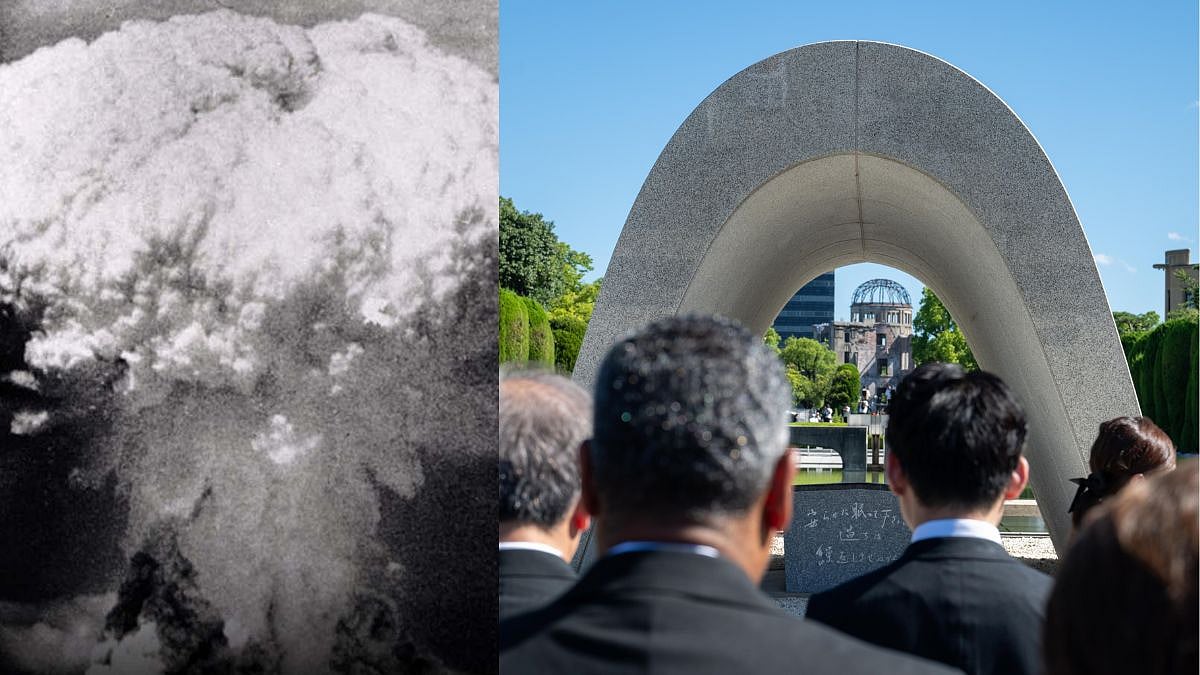
Japan Marks 81 Years Of Hiroshima Day | X/ AIR
Tokyo: Japan observed the Hiroshima Day on August 6, 2026 and paid tribute to the thousands of lives lost in one of history's deadliest wartime attacks. On Thursday, August 6, 2026, Hiroshima marked the 81st anniversary of the US atomic bombing of the western Japanese city. The significant day was observed at Hiroshima Peace Memorial Park, where survivors, families of victims, government officials and international delegates gathered to honour those who perished and renew calls for a world free of nuclear weapons. At 8:15 AM this morning, the whole city turned silent in observance of mourning over those who lost their lives in the atomic bombing.
Japan observed Hiroshima Day
Japan observed the 81 years of Hiroshima Day on Thursday, August 6, 2026 in the Hiroshima Memorial Park. Prime Minister of Japan Sanae Takaichi and Hiroshima Mayor Kazumi Matsui attended the ceremony and spoke at the memorial. Representatives from 121 countries and regions attended the 81st Hiroshima Peace Memorial Ceremony on August 6, 2026, alongside an overall gathering of about 50,000 people at the Hiroshima Peace Memorial Park. A minute of silence was held when a peace bell rang out at 8:15 AM, the time when the US dropped the nuclear bomb on the city.
What happened in Hiroshima?
On the morning of August 6, 1945, at 8:15 am, the United States dropped the world's first wartime atomic bomb, nicknamed "Little Boy," over Hiroshima. The bomb exploded approximately 600 metres above the city, unleashing an immense blast, intense heat and deadly radiation. Within seconds, much of Hiroshima was reduced to rubble, with buildings flattened and fires spreading rapidly across the city.
An estimated 70,000 to 80,000 people died instantly, while tens of thousands more succumbed to severe burns, injuries and radiation sickness in the days, weeks and years that followed. By the end of 1945, the death toll had risen to around 140,000. Many survivors, known as Hibakusha, continued to suffer lifelong health complications, including cancer and other radiation-related illnesses.
ALSO READ
Turning point in world history
The devastation of Hiroshima marked a turning point in world history. Just three days later, on August 9, 1945, a second atomic bomb was dropped on Nagasaki, claiming tens of thousands of additional lives. Facing unprecedented destruction, Japan announced its surrender on August 15, 1945, bringing World War II to an end.
RECENT STORIES
-
-
-
-
-