From Goa Villas to Himalayan Havens: Why Luxury Second Homes Are the New Status Symbol in 2026
India is witnessing a surge in luxury second homes, driven by rising wealth, lifestyle shifts, and strong demand among affluent buyers

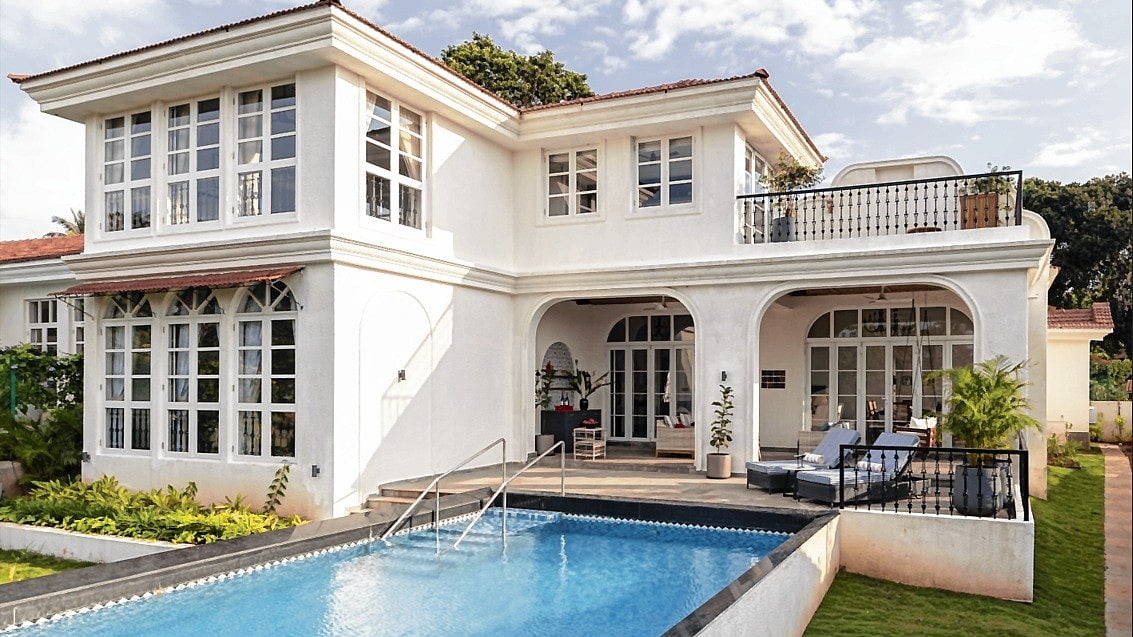
Pool view of the Amalia Vaddo villa by Isprava | Pic: Isprava
If market trends and reports are anything to go by, luxury real estate is preparing for a prosperous 2026. According to ANAROCK data, prices for luxury homes in the top seven cities have gone up by about 40 per cent since 2022. This shows that there is a strong demand for high-end homes, which is also affecting holiday and second homes. India's affluent are no longer content with urban penthouses. “HNIs today are more open to allocating a larger portion of their capital to luxury homes because these assets offer both lifestyle benefits and enduring value over time,” shares Dhimaan Shah, Executive Director and Co-CEO, Isprava Group. They are seeking homes in destinations where they can pause and reset, rather than purely short-term speculation or quick ROI. At the same time, professionally managed rental platforms have made ownership far more practical with the potential to earn passive income.
Feeling of well-being
Luxury today is far more elemental than it was a decade ago. It’s no longer about excess; it’s about intention. The definition of value has also changed. Well-being, time, and lived experiences often outweigh pure status. Post-pandemic, second homes have evolved into restorative spaces where families can reconnect, slow down, and live more consciously. Increasingly, these homes function as primary or semi-primary residences where people spend extended periods of time. “This deeper engagement has changed what buyers expect: they want homes that feel calm, intuitive, and rooted in nature,” adds Varun Nagpal, Founder and CEO, Vianaar. Buyers tend to prefer low-density, large-format bespoke standalone villas and estates because they offer privacy and often usable outdoor space. Privacy, private gardens, pools, and indoor-outdoor living are central to the appeal of a second home.
“More and more, developers and advisors are marketing luxury second homes as lifestyle products. In the luxury segment, there is a focus on high-end specifications and premium living experiences as the main reasons people choose to buy,” adds Santhosh Kumar, Vice Chairman, ANAROCK Group. In this segment, buyers are highly design-aware. They are not looking for generic villas; thoughtful architecture, the use of local materials, craft-driven details, and bespoke interiors all matter to today’s buyers.
Location, location, location
Some of the most popular geographies include Goa, Alibaug, Dehradun, Kasauli, and Lonavala. The demand is driven by accessibility from key urban centres like Mumbai, Delhi and Bengaluru. These locations offer what cities cannot—proximity to nature without sacrificing connectivity. They are not purely tourist markets anymore; they are becoming lifestyle markets.
“Emerging potential lies in likely to thrive places driven by land availability, lifestyle appeal, and upcoming infrastructure, rental income, and long-term appreciation, making these locations the most future-ready choices for Indian HNIs and NRIs,” says Nitya Reddy, Marketing Director, Ramky Signature One. Some upcoming locations include Karjat and Khopoli near Mumbai; Nandi Hills near Bengaluru; Shamshabad, and Chevalla near Hyderabad.
A long-term deep dive
From a long-term perspective, buyers should prioritise location fundamentals, design quality, infrastructure access and management capability. Put a clear title and compliant approvals. Some of the biggest risks are legal and approval gaps, especially in ecologically sensitive or coastal areas. Access to reliable water and power, good road accessibility and availability of healthcare, shopping and leisure activities should also be on the top of your list. Equally important is professional management. Transparent processes, maintenance support, and rental management ensure that the property remains in excellent condition over time.
Second homes work best when buyers are clear whether the priority is lifestyle, income, or long-term appreciation. As a homeowner, awareness about the underutilisation of the asset is important because maintenance, taxes, and staffing costs continue year-round. While holiday rentals can be seasonal, this may impact the time it takes to sell, especially in resort or outskirts areas.
Irrespective of risks and market volatility, investment in second homes continues to be buoyant. Kumar sums it up: “There is no reason to expect demand to drop anytime soon—quite the opposite, in fact, given the trends witnessed over the last four to five years.”
RECENT STORIES
-
-
-
-
-