Extreme Heat Is Killing Camels As Desert Temperatures Reach Dangerous Highs
Extreme heat is pushing camels beyond their natural limits as desert temperatures across Africa and the Middle East climb above 50°C. Scientists warn the animals are increasingly suffering from dehydration, disease and heat stress. Ethiopian herders have already reported losing camel calves, while many communities are relocating their herds in search of water, vegetation and cooler grazing areas.

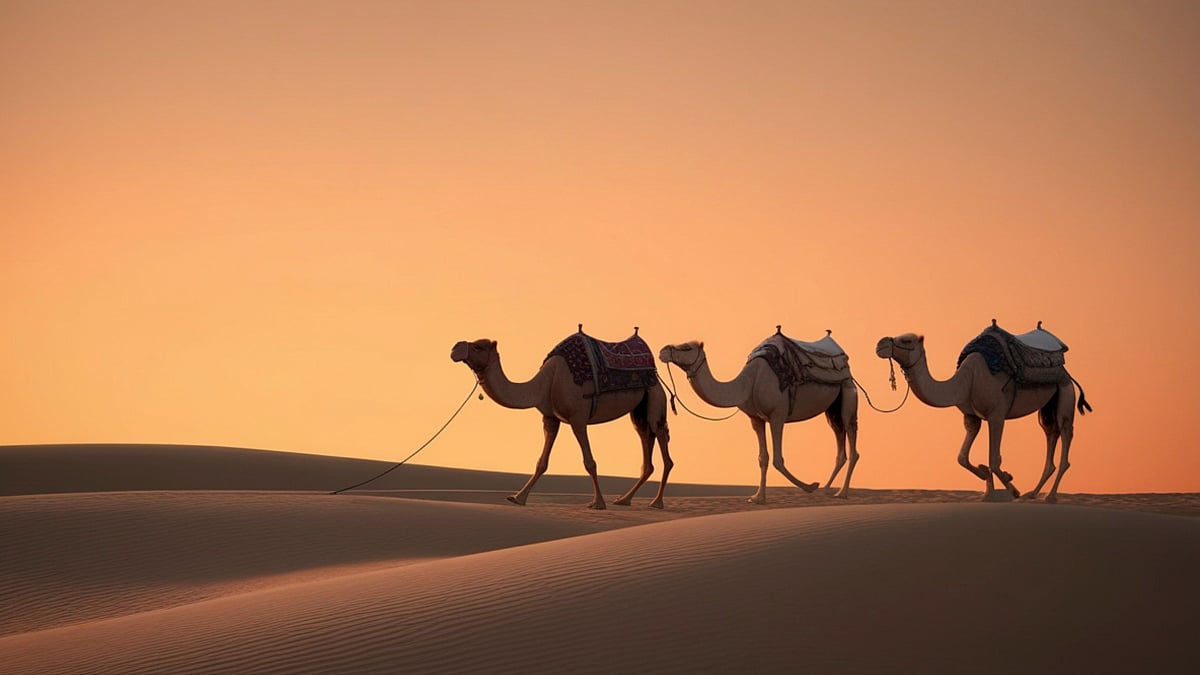
For centuries, camels were called the ultimate survivors of the desert – animals capable of enduring blistering sun, scarce water and endless stretches of sand. But as climate change drives temperatures to unprecedented levels, even these resilient creatures are struggling. Across parts of Africa and the Middle East, rising heat is pushing camels beyond their natural limits, leaving herders worried about the future of an animal that has long been the backbone of desert life.
Even the 'ships of the desert' are feeling the heat
According to media reports, deserts in regions such as North Africa and the Middle East are now regularly experiencing temperatures above 50°C, creating conditions that are becoming increasingly dangerous for camels.
Although camels are remarkably adapted to arid environments, experts explain that their ability to cope with heat is not limitless. As temperatures continue to rise, many animals are showing signs of dehydration, exhaustion and increased vulnerability to illness.
The impact extends beyond wildlife. For countless communities across northern Africa and the Horn of Africa, camels are essential for transporting goods, including salt, across vast desert landscapes. Many families had already shifted from cattle to camels because they were considered more resilient during droughts, but worsening climate conditions are now putting that advantage at risk.
Herders witness heartbreaking losses
The changing climate is becoming impossible to ignore for camel owners. Ali Umer, a camel herder from northeastern Ethiopia who owns around 500 camels, described the visible toll the heat is taking on his animals. "They get blisters on their feet, their eyes become watery and the hot sand burns their skin and eats up their hair when they are sitting," he told the BBC.
He also revealed the emotional cost of the extreme weather, saying, "Within the past one month I have lost eight camel calves because of the extreme heat, it has become much more intense and difficult."
Why rising temperatures are becoming dangerous
According to experts, camels can comfortably tolerate temperatures of around 40°C, thanks to their thick coats, efficient body temperature regulation and ability to conserve water by sweating very little.
However, those natural adaptations are proving less effective as deserts become even hotter.
UN Food and Agriculture Organization scientist Dr Mohammed Bengoumi explained, as reported by Mirror UK, "But camels can also experience heat stress when temperatures rise beyond their comfort range. In many parts of the Sahara, summer temperatures now frequently exceed 50C, increasing the risk of severe heat stress, particularly when accompanied by reduced vegetation cover, water scarcity, and limited access to shade."
With shrinking grazing lands and worsening drought, camels are facing multiple environmental pressures at once.
RECENT STORIES
-
-
-
-
-