Chhath Puja Vrat Guide 2026: Essential Dos And Don'ts To Follow For A Blessed Celebration
Chhath is one of the most auspicious festivals, which is set to begin on Friday, November 13, 2026. The vrat begins with a traditional sattvic meal of Kaddu Bhaat on Nahay Khay, which is followed by jaggery kheer and chapati after the long-day fast on Kharna. Meanwhile, the strict nirjala (waterless fast) begins after Kharna prasad.

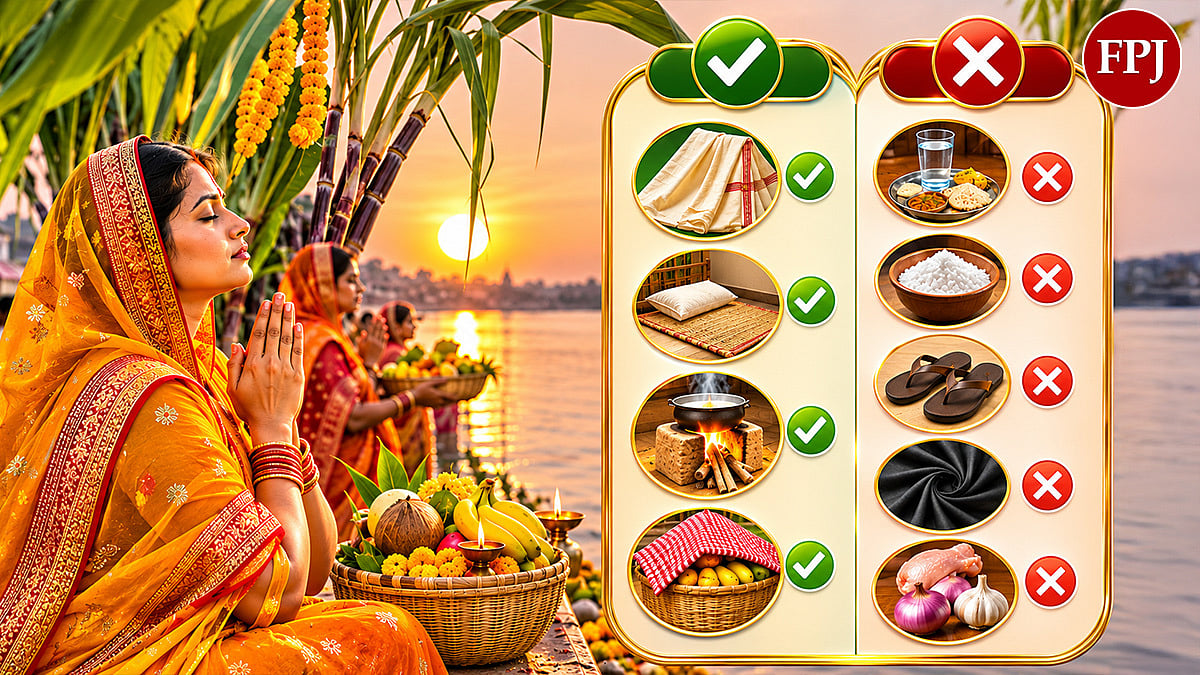
Chhath Puja Vrat Guide 2026: Essential Dos And Don'ts To Follow For A Blessed Celebration | FOJ
Chhath Puja is one of the most sacred Hindu festivals, which is dedicated to Surya Dev (the Sun God) and Chhathi Maiya. It is a symbol of devotion, purity, and gratitude. As devotees across India prepare for Chhath Puja 2026, which is set to be observed from Friday, November 13, knowing the right dos and don’ts becomes essential, especially for those fasting to observe the rituals correctly and maintain the sanctity of the festival.
Chhath 2026: Dates and rituals
Chhath is one of the most auspicious festivals, which is set to begin on Friday, November 13, 2026. The vrat begins with a traditional sattvic meal of Kaddu Bhaat on Nahay Khay, which is followed by jaggery kheer and chapati after the long-day fast on Kharna. Meanwhile, the strict nirjala (waterless fast) begins after Kharna prasad. During this strict fast, devotees abstain from both water and food, which continues till Usha Arghya, which will be observed on November 16.
Dos:
Cleanliness and purity during Chhath
The food and rituals during Chhath Puja depend on the day of the festival.
On Nahay Khay, which marks the beginning of the four-day Chhath observance, devotees should keep their home, surroundings, and puja space clean and maintain complete purity in thoughts and actions.
Begin each day of the puja with a bath in a clean body of water, such as a river or pond, symbolising purification.
Cook kheer, thekua, and fruits with pure hands and in a clean environment.
Fasting and traditional practices
The Vrati should keep the fast with utmost devotion and avoid anger, gossip, or negativity.
Use earthen lamps, bamboo baskets (daura), and eco-friendly items for offerings.
Stay barefoot when visiting ghats or water bodies.
Sleep on the floor on a mat or chatai rather than on a regular bed or mattress.
Don'ts:
Restrictions on food and offerings
Avoid alcohol, meat, or smoking.
Don’t touch the offerings without purification.
Avoid using metal utensils because traditionally, only earthen or brass utensils are used.
Do not interrupt a devotee’s fast.
ALSO READ
Rules for prasad and fasting
Do not use salt for Kharna prasad or any food made on that day.
Do not cook or store prasad in steel, aluminium, or everyday kitchen utensils.
Consumption of water and food is prohibited during the waterless fast.
RECENT STORIES
-
-
-
-
-