A Gen Z Guide To Varanasi: Exploring The Ancient City Of Light And Its Living Traditions
An epic trip to the ancient city along the banks of the mighty Ganga River is a must for every Gen Z bucket list

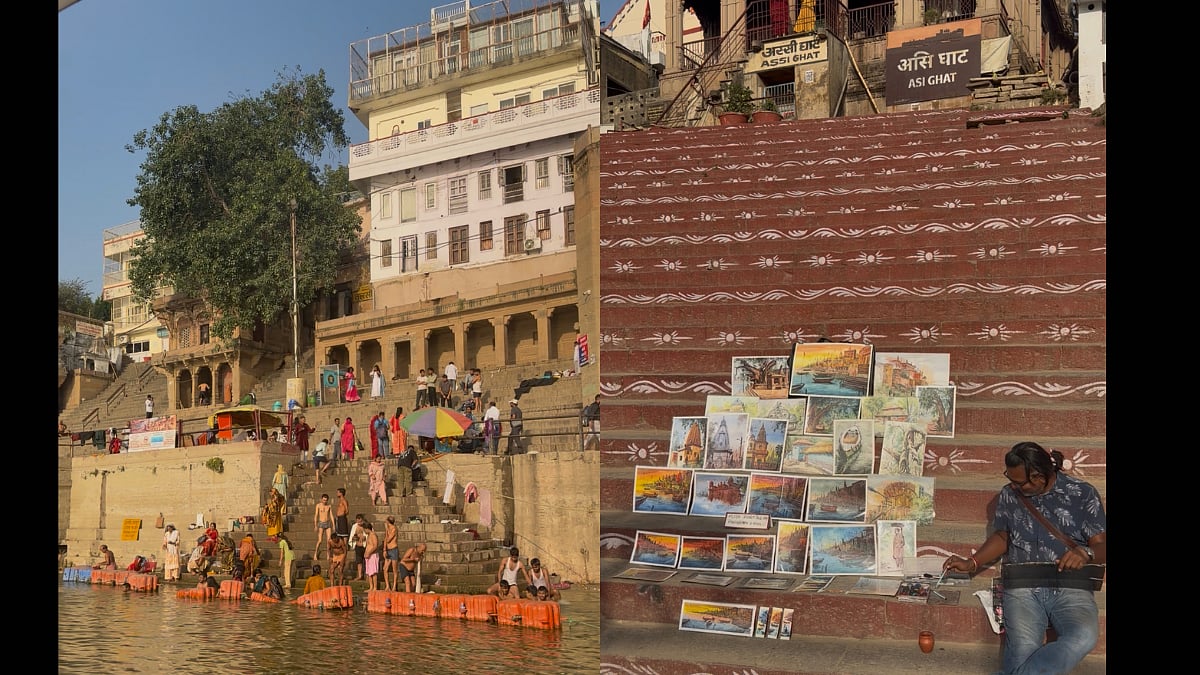
Streets and sadhus, temples and tourists, chaos and culture…the ancient city of Anandvan, Kashi, Varanasi, Banaras...has held its own as the holy city in the swirling microcosm of shifting beliefs over the years. In its vintage avatar, the ghats with their sacred steps gain a fabulous dimension as a stay in Varanasi knits you to the heartbeat of the bustling location, filled with Vedic chants, sound of conch shells, yum street food, roadside shopping and more, along the arterial surge of the river Ganga.
According to mythology, Lord Shiva gave Badrinath in exchange for Varanasi to Lord Vishnu, after his wife Parvati fell in love with the energy of the forests along the mountain river, when she married Shiva. Cut to 2026. The centre of Hindu cosmology brings with it a sense of deep calm despite the pulsating chaos, and the epic dip in the holy Ganga goes beyond the spiritual cleanse. The ancient city leans in with heart-tugging charisma that is impossible to find in anywhere else in the world.
For 39-year-old Pulkit Gupta, a travel guide in Banaras, the volume of GenZ visiting Varanasi has gone up manifold, especially post the pandemic. “Ninety percent Indians, ten percent foreigners, come to moksh nagri now,” he says, referring to the city moniker as a dip in the holy Ganga and relinquishing life here is believed to secure freedom from the cycle of births and deaths. “Varanasi is home to thousands of Moksh bhawans - a parking haven for the terminally ill who wish to pass on in the holy city,” shares Pulkit.
In a peculiar dichotomy, Varanasi celebrates life and death simultaneously, side by side.
Here is your handy guide to shaping your Banaras itinerary:
Start at Assi ghat
As the first touch point, Assi Ghat (80th, as the name connotes) forms your start at 5:30 am with the Ganga Arti along its silty beach.
Pale fingers of dawn light up the sky, chirping flocks of birds form the aerial ballet above the gush of the Ganga, with boats sailing across the unending length of the river. Saffron robes, sadhus with ash-smeared foreheads, buzzing chai and hissing kachori stalls, kushti on the sands by the wrestlers from the akharas, and classical music strains of the tanpura and flute set the tone for the brisk morning. Varanasi has been monikered “City of Music” by UNESCO and as you stroll along the Instagrammable ghats, you learn why.
The golden flames of the Ganga Aarti, performed by the string of pandits swirling mammoth lamps, leap up against the sun-touched skies with massive cymbals, ringing bells, live chanting of shlokas by girl students sitting cross legged near the yagna sthal, fragrance of agarbattis and camphor filling the air. Participate in the havan once the aarti concludes, offering ahuti to the agni, the fire god, and begin your day on a peaceful note. Clamber down the steps into a boat that takes you across the currents till the (84th) Namo Ghat, with huge hands of PM Narendra Modi clasped in a namaste.
You will experience the moods of all the ghats along the way, as the strains of the flute and table gently shape hymns on the boat. From the serenity of Gai Ghat to the 24×7 burning pyres of Manikarnika and Rajaharishchandra Ghat to the façade of the Alamgir mosque to the Chet Singh Ghat fortress, leaping monkeys, fervour laced kirtans, wandering mendicants and Naga Babas taking the holy dip…the ghatscape is varied and vibrant.
Dip into temple town
The city economy stands hinged on over 100,000 temples dotting Banaras: From the all-encompassing Shri Kashi Vishwanath Temple (one of the twelve Jyotirlingams of India) dedicated to Lord Shiva to the monkey-marked Sankat Mochan (and countless Sindoori Hanuman shrines) to Kaal Bhairav (the celestial doorkeeper of Kashi – without his darshan, your visit to Banaras stands incomplete) to the crucible of Devi power in the major Shakti peeth, Durgakund (that celebrates the Nagar style of architecture) and Sanktha Ma mandir to the centuries-old stony sanctums forming the heartbeat of every narrow gully and street. The Gometshwar Mahadev mandir is a repository of sheer calm amidst the busy-ness of Banaras.
Board a boat from Assi ghat to the biggest ghat: Dashashwamedh (Lord Brahma is said to have sacrificed ten horses for the city's sanctity, here), for visiting the temples. The shayan aarti at night at Kashi Vishwanath is a goosebump-inducing experience. The live chanting of Har Har Mahadev by a sea of people – GenZ in droves – with the golden temple silhouette against the moonlit sky spangled with stars, the gleaming trident ruling the view – make it a surreal experience. Beats the t(h)rill at any concert you may have attended anywhere in the world. A must-do.
Make your bookings well in advance for attending your choice of the multiple aartis at Kashi Vishwanath, and for the boat cruises that dock at Dashashwamedh Ghat for the 7 pm arti, and soak up the sights and sounds of the magical rituals. You can float a diya cupped in a leaf basket with flowers, available at the ghats.
Lockers are available at all stalls near mandirs to leave your phone and belongings in safely while you visit the mandirs and dip in the Ganga. Fill a small bottle, on sale at the ghats, with the holy water from the river to take back home.
Banger food
Every spot is Instagrammable, whether you take a dip in the holy river or move in a breakfast tour of the city. Clamber into an e-rickshaw till Gowdolia, and then walk as no vehicles are allowed beyond this busy, chowk that forms the nucleus of the city.
Street food courses different rhythms – from tangy to sweet to spicy to kicky. The tamatar chat at Kashi Chat is a hot, swirling mix: a must-try. Popularised by businesswoman Nita Ambani’s visit. Mishrambu thandai, Dina Chat, Ram Bhandar’s lal peda, Rajshree’s mini laung latta, tiranga barfi, parwal mithai; the foamy makhan malaiyye in earthen kullads, the mini kachoris stuffed with aloo and slathered with garam rassa chana (opposite Kalyani Sarees, near Gate 4 of Vishwanath mandir) and the famous Banarasi paan are brilliant chomps.
You must relish the scissor toast and malai chai at Laxmi Bhandar, with the butter and cream injected into the fat, gleaming toast. It melts in the mouth in seconds. Finish off with the mini hing kachori.
Sip on tangy Hajmola chai near Assi Ghat. With the digestive boiled in water packed with lemon and mint leaves. Glug Blue Lassi at Manikarnika Ghat. The eponymous café is a popular hangout with the backpacker firangs. Free Wi-Fi.
Wander through the slim alleys – the gullies of Banaras to feel the vibe, inhaling the wafting fragrance of kachoris and jalebis.
Must see, must -do
Gulabi meenakari is the delicate pink enamel work that is unique to Banaras. Ace practitioner of this dying art, Kunj Bihari Singh labours over the gold oxide mixed with silver to lend it a blushful hue, painting fine designs, even the complete Hanuman chalisa! The national awardee displays the hundreds of fascinating ear rings, bracelets, necklaces, 3D renditions of the Ram Mandir, and even a giant bird made with geometrical precision to rest on your finger by only its beak! The Persian art, popularised in Jaipur, has been knitted to the heart of Banaras in its rose avatar.
Visit Banaras Hindu University (BHU) - one of the largest universities of the world. Founded by Indian nationalist and scholar, Pandit Madan Mohan Malviya, the learning grove is a centre for learning in deep disciplines spanning Sanskrit, yoga, Vedic literature and more. The expansive 1300-acre premise brings in an IIT campus too along with manicured gardens, hostels, hospital, temples and administrative offices.
Make time to go to Sarnath, an hour’s drive to the outskirts. The gigantic Dhamek Stupa built in 500 AD marks the sacred spot where Gautam Buddha preached his first sermon.
The Deen Dayal Hastkala Sankul (T.F.C.) & Craft Museum here houses the only surviving Lion Capital of Ashoka carved out of a single slab of buffed sandstone, dating 250 BC. Together with a stunning collection Buddhist and Hindu artefacts excavated at Sarnath.
Another stunning location is the Bharat Kala Bhavan Museum, a stunning repository of the handicrafts of India, including the wooden toys from Channapatna to the peacock feather laced hand woven fabrics to the treasured picks from the multiple cultural crucibles in India.
Shop for traditional Banarasi brocades, watch the silk weavers at the loom at Holy Weaves, and buy trinkets, beads, pooja essentials and more all across the city.
How to go
Smooth roadways connect major cities in India to Varanasi.
The international airport stands connected to all leading cities in Asia.
Where to stay
An erstwhile 14-room haveli converted into a plush boutique property, jüSTa Luxe Kashi Parampara, is located 800 m from the iconic Assi Ghat. The 80-year-old ancestral home brings in a daily havan in the central courtyard ritual, live flautist in the mornings while you enjoy your breakfast of Banarasi kachori, chivda and thaali; and an intimate kathak performance accompanied by table, on the weekends. Great connectivity, delicious food, and the warm, attentive staff (solo women visiting temples are accompanied by a security guard from the hotel), a beautifully curated boat ride with classical music on board, personal tokens from a traditional tika welcome to Banarasi paan served in the room to a sealed copper lota with Gangajal on departure are the small touches that make the stay super special.
Go on
Relish the street art, especially at the ghats with streaks of ochre and nebulous blues running through renditions of Shiva and Hanuman while you sip chai on the steps.
Get your horoscope read on the ghats by a pundit: with an ash-smeared forehead, squatting under a colourful umbrella, eager to decode your kundli.
Sip on ginger lemon tea on the steps. You will spot scores of candid shoots happening all around, with couples, and baby mooners.
Keep in mind
Wear a pair of old, comfortable slippers to ease in and out of mandirs, and walk distances.
Keep a dupatta or cap handy to combat the fierce sun. Slather on sunscreen.
Wear a mask at peak traffic hours to fob off the dust.
Stay hydrated: bel and khus sherbet, coconut water, jal jeera, shikanji are easily available.
Be prepared for the clamour on the roads: horns, bells, people.
Rule of thumb: While walking, turn right to reach Ganga. Turn left to reach the main road.
Keep small currency handy to pay for purchases if you don’t have UPI.
Rates for rickshaws are subject to bargaining.
RECENT STORIES
-
-
-
-
-