Vijay Nagar, Bhanwarkuan In Indore Among Malaria, Dengue Hotspots: 11 New Cases Reported In A Week
So far this rainy season, 36 dengue cases have been reported from Indore district

Arsh Khan
Indore (Madhya Pradesh): With the monsoon season bringing continuous showers and widespread waterlogging, city is once again under the threat of mosquito-borne diseases.
In the past week alone, the health department has confirmed 11 fresh cases out of 6 dengue and 5 malaria, triggering concern across the district.
District malaria officer Rashmi Dubey informed that densely populated areas such as Vijay Nagar, Bhanwarkuwan, Musakhedi, Juni Indore, Sheetal Nagar, and Pipliyahana have been identified as hotspots.
The high population density in these neighbourhoods, coupled with stagnant water around residential buildings, has provided ideal conditions for the breeding of mosquito larvae.
So far this rainy season, 36 dengue cases have been reported from Indore district, with most patients recovering. Fortunately, no fatalities have been recorded to date. However, officials warn that unless preventive steps are strictly followed, the situation could worsen in the coming weeks.
How to identify dengue and malaria mosquitoes
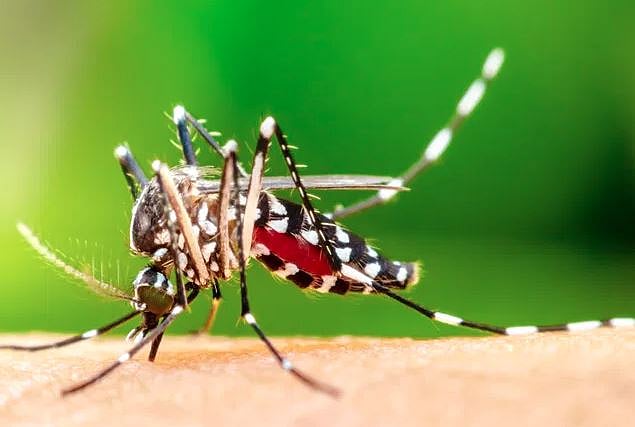
Dengue mosquito (Aedes aegypti): Recognized by black and white stripes on its legs and body, it usually bites during the daytime, especially in early morning and late afternoon. It breeds in clean, stagnant water such as that found in coolers, flowerpots, and water tanks.
Malaria mosquito (Anopheles): This mosquito generally bites at night and rests with its body angled upward, unlike other mosquitoes. It breeds in dirty or contaminated water such as drains, puddles, and waterlogged areas.
Preventive measures for citizens
The Malaria Department has stepped up efforts by conducting insecticide spraying, larva inspections, and awareness drives across the city. Residents are advised to take the following precautions:
Wear full-sleeve clothes to avoid mosquito bites.
Use mosquito nets, mesh doors, and window screens.
Apply mosquito repellents or burn coils in the evening hours.
Do not allow stagnant water to collect in rooftops, empty vessels, coolers, flowerpots, or construction sites.
Regularly clean and cover water storage containers.
Sleep under mosquito nets to remain safe, especially in hotspot areas.
District Malaria Officer, Rashmi Dubey said, "We are making all possible efforts to contain the spread of dengue and malaria. Public awareness is the most important weapon in this fight. Citizens must ensure that water does not collect in and around their houses."
RECENT STORIES
-
-
-
-
-