Indore News: Tiger Territory Takes Root As Signs Surge
The heavy footfalls are breaking the silence of the Indore forest of an expanding tiger population, as the first 48 hours of the All India Tiger Estimation (AITE) 2026 confirmed that the region is no longer just a transit corridor.

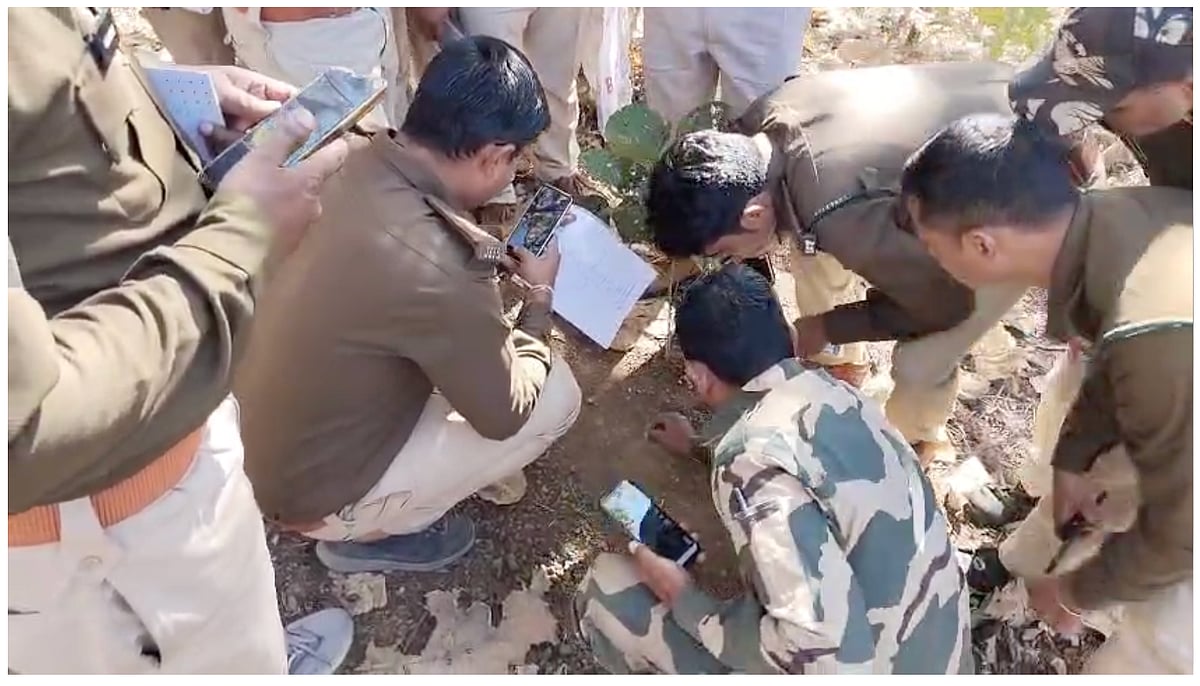
Indore News: Tiger Territory Takes Root As Signs Surge |
Indore (Madhya Pradesh): The heavy footfalls are breaking the silence of the Indore forest of an expanding tiger population, as the first 48 hours of the All India Tiger Estimation (AITE) 2026 confirmed that the region is no longer just a transit corridor.
Documentation of 21 tiger signs on day one followed by 18 signs on day two has already eclipsed total of 10 signs recorded during entire 2022 survey, signalling division has transitioned into permanent stronghold for big cats.
Divisional forest officer Pradeep Mishra stated current findings are significantly more verifiable and robust than previous data. Mishra noted meticulous monitoring, aided by camera traps and scientific field surveys, has confirmed tigers are now using forests with greater consistency.
Choral range emerged as primary territory for these predators. On day one, Choral range recorded 18 tiger signs and 33 leopard signs across 33 beats. Day two data showed 13 tiger signs and 28 leopard signs in same area. This density is supported by high prey availability, including sightings of cheetal, sambar, and wild boar. Officials reported excellent forest cover and water sources in Choral range have created ideal ecosystem for long-term habitation.
In Mhow range, verified presence of four-year-old male tiger near Malendi village provided evidence of new colonisation. Mhow range recorded two tiger signs and 15 leopard signs on day one, followed by another two tiger signs and nine leopard signs on day two. Deputy ranger Pawan Joshi said animal is not native to Mhow range, indicating tigers are expanding range into division’s 700 square kilometres of forest.
Survey, overseen by National Tiger Conservation Authority and Wildlife Institute of India, also tracked herbivore density to assess habitat health. While Indore range saw tiger signs increase from one on day one to three on day two, Manpur range reported constant leopard activity but zero tiger signs throughout 48-hour period. Nationwide results of estimation are expected by July next year.
RECENT STORIES
-
-
-
-
-