TMC Rebel MPs Disqualification Row: SC Flags 3-Month Delay, Asks Lok Sabha Speaker To Act 'Expeditiously'
The Supreme Court has flagged a delay in deciding disqualification petitions against 20 rebel TMC Lok Sabha MPs, asking Speaker Om Birla to act “expeditiously”. The MPs have been given time until October 8 to submit replies. The deadline is for their responses, not a court-imposed deadline for the Speaker’s final decision.

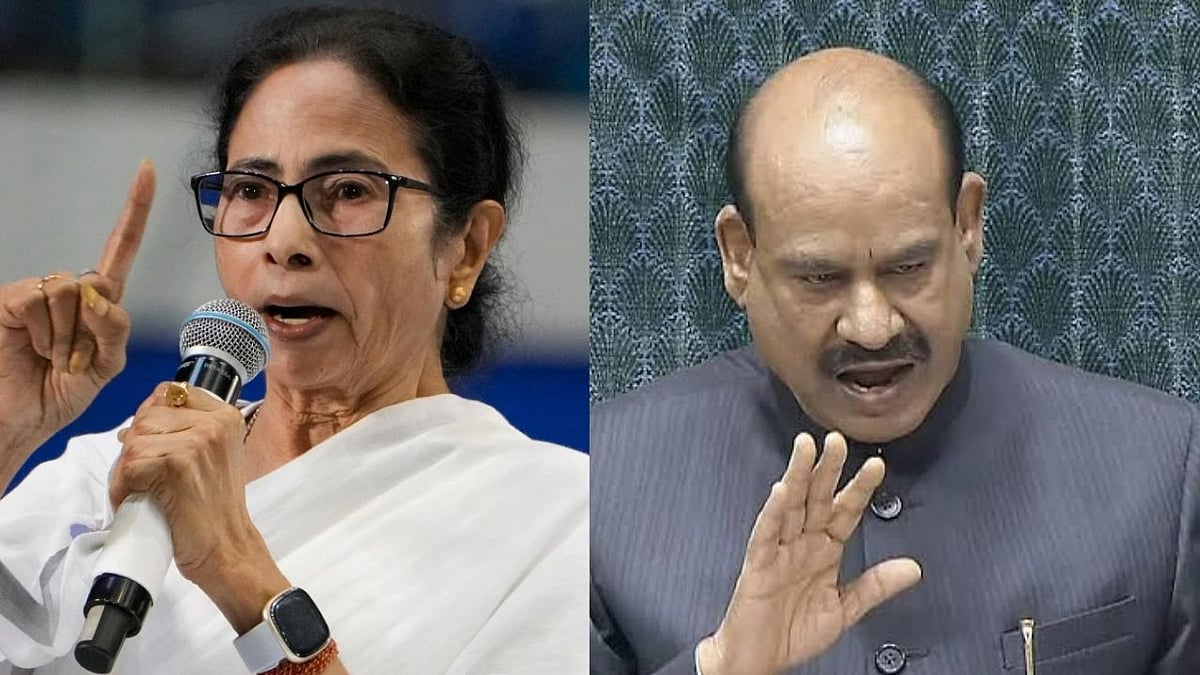
The Supreme Court has expressed concern over the delay in deciding disqualification petitions against 20 rebel Trinamool Congress (TMC) Lok Sabha MPs, urging Speaker Om Birla to take an “expeditious” decision in the matter.
A three-judge bench comprising Chief Justice of India Surya Kant and Justices Joymalya Bagchi and V Mohana was hearing a plea filed by TMC leader Abhishek Banerjee, who has sought a time-bound decision on the petitions pending before the Lok Sabha Speaker. The court noted that around three months had passed since the petitions were filed, with Justice Bagchi describing the delay as a “red flag”.
The Supreme Court, however, stopped short of imposing a rigid deadline on the Speaker. It acknowledged the constitutional position of the Speaker and said it expected the matter to be resolved expeditiously. The court also referred to its earlier 2020 ruling in Keisham Meghachandra Singh, which said disqualification petitions should ordinarily be decided within a reasonable period, preferably around three months.
20 Rebel MPs Break Away From TMC
The disqualification dispute began after around 20 TMC Lok Sabha MPs broke away from the party and aligned themselves with the Nationalist Citizens Party of India (NCPI), while indicating support for the BJP-led NDA.
Abhishek Banerjee had filed disqualification petitions before Speaker Om Birla in June, arguing that the MPs had voluntarily given up their TMC membership. The rebel MPs, meanwhile, have sought recognition as a separate parliamentary group and have maintained their position on their move to the NCPI.
The question of their status in the Lok Sabha remains unresolved. While the rebel MPs have been given separate seating arrangements, parliamentary records have continued to list them as TMC members.
October 8 Is Reply Deadline, Not SC Deadline
Following the Supreme Court's observations, the Lok Sabha Secretariat gave the 20 rebel MPs additional time to respond to the disqualification petitions.
Their replies are now due by October 8, 2026, after the MPs sought another extension. They had earlier sought time until October 22, but the Speaker's office granted them 15 additional days instead.
The distinction is significant: October 8 is the deadline for the rebel MPs to submit their replies, not a court-mandated deadline for Speaker Om Birla to deliver his final decision.
The Supreme Court has not directed the Speaker to conclude the proceedings specifically by October 8. Instead, it has stressed the need for an expeditious resolution while respecting the Speaker's constitutional role.
Separate West Bengal Assembly Row Involves 10 Rebel MLAs
A parallel anti-defection dispute is unfolding in the West Bengal Assembly, but it is separate from the Lok Sabha case involving the 20 rebel MPs.
The West Bengal Legislative Assembly Secretariat issued notices to 10 rebel TMC MLAs in September, seeking explanations over alleged anti-party activities and violations of party discipline. Among those issued notices were Leader of the Opposition Ritabrata Banerjee and former Kolkata mayor Firhad Hakim.
The other MLAs named in the notices include Akhrujjaman Ansari, Sandipan Saha, Arup Roy, Shiuli Saha, Sabina Yasmin, Biplab Mitra, Javed Khan and Rathin Ghosh. The notices asked them to explain why their membership should not be disqualified.
However, available reports do not establish that the Supreme Court has set October 8 as a deadline for the West Bengal Assembly Speaker in this separate matter.
What Does The Anti-Defection Law Say?
The disputes arise under the Tenth Schedule of the Constitution, commonly known as the anti-defection law. A legislator can face disqualification for voluntarily giving up membership of their political party or for voting or abstaining contrary to the party's directions in circumstances covered by the law.
The earlier “split” exception was removed through the 2003 constitutional amendment. A merger can provide protection under the Tenth Schedule if at least two-thirds of the members of the legislature party agree to it.
Speakers are ordinarily the first authority to decide disqualification petitions, although their decisions can be subjected to judicial review on limited grounds.
The Supreme Court has previously emphasised that such proceedings should not be allowed to remain pending indefinitely, given the constitutional purpose of the anti-defection provisions.
ALSO READ
TMC Factional Fight Continues
The disqualification cases are part of a larger political and legal battle within the TMC, involving rival factions, questions over parliamentary recognition and disputes concerning the party's name and election symbol.
The Supreme Court is also dealing with separate litigation connected to the broader factional dispute, while proceedings involving the 10 rebel MLAs remain before the West Bengal Assembly.
For now, the immediate development in the Lok Sabha case is the October 8 deadline for the 20 rebel MPs to submit their responses. The eventual decision on their disqualification will depend on the Speaker's proceedings and the facts and legal arguments presented by both sides.
RECENT STORIES
-
-
-
-
-