Assam 2026: 18 Muslims Among 19 Winners; Result Exposes Deep Demographic And Geographical Limitations For Congress
The overwhelming concentration of minority seats highlights the Congress party’s struggle to maintain a multicultural base as a complete wipeout in the ethnic Assamese heartland and the defeat of top leadership highlight its retreat into a sub-regional and demographic stronghold

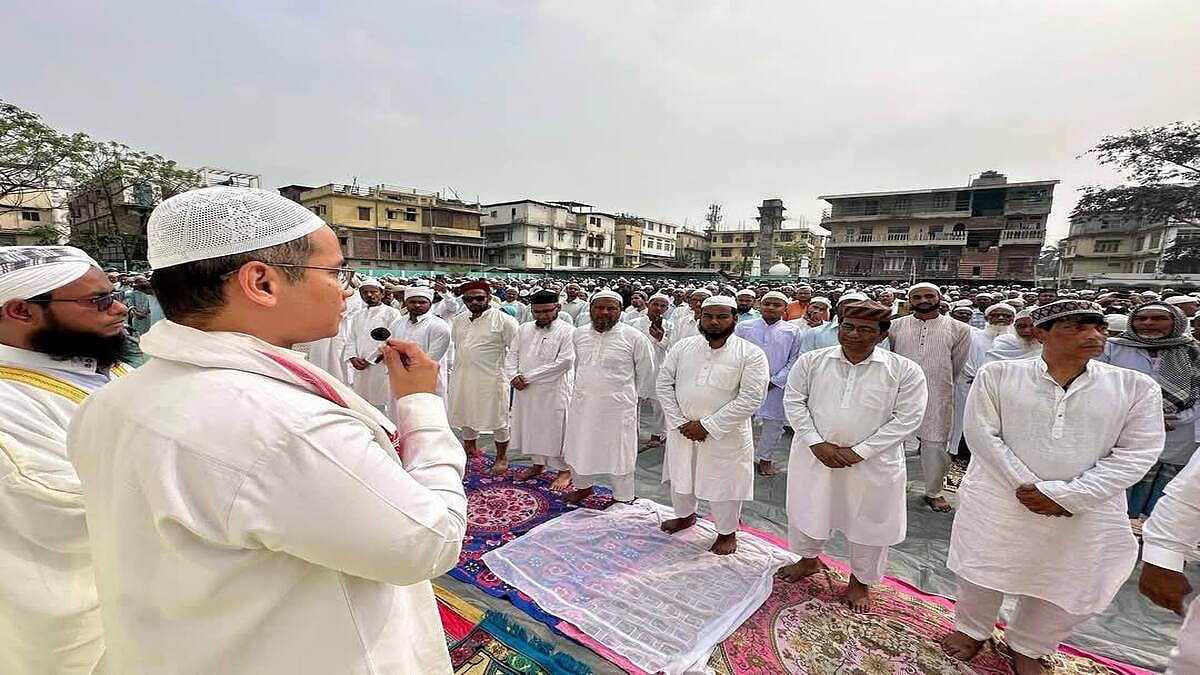
Assam Congress president Gaurav Gogoi |
The Congress party has lost its pan-Assam reach and its cosmopolitan appeal within the state. The real story of the grand old party in this election lies not only in the seats it lost, but also in the nature of the seats it won. The 2026 Assembly results represent a watershed moment. While the party successfully consolidated its presence in specific pockets, the broader electoral data reveals a stark transition. Congress has shifted from a pan-Assam powerhouse to a localised, sub-regional entity.
Statistical reality of a historic tally
The Congress party's final count of 19 seats is its lowest since losing power a decade ago, marking a sharp decline from the 29 seats it held following the 2021 elections. This 34 per cent drop in seat count occurred despite the party leading a diverse opposition alliance, the Asom Sonmilito Mancha.
While the BJP-led NDA surged to a record 102 seats, Congress found its influence restricted to a fraction of the state's 126 constituencies. The statistical breakdown reveals that the party’s survival was contingent on a specific demographic shift. Nearly 90 per cent of the party’s winning candidates—18 out of 19—are from the Muslim community. This has sparked debate over whether the Congress party has effectively traded its statewide appeal for a secure but narrow electoral base.
Cannibalisation of minority vote
A significant factor in the 2026 results was the Congress party's tactical victory over the AIUDF. In previous election cycles, the minority vote was often split between Badruddin Ajmal’s party and the Congress, frequently allowing the BJP to win in multi-cornered contests.
In 2026, however, minority voters consolidated behind Congress as the only viable national alternative to the BJP. This shift decimated the AIUDF, reducing it to just two seats, but it also fundamentally altered the identity of the Congress winners list. By becoming the sole repository for the minority vote in districts like Dhubri, Goalpara and Barpeta, the Congress inadvertently cemented a public perception that it is now a party representing a singular demographic interest.
Erosion of Assamese heartland
The most critical blow to the party’s "pan-Assam" credentials was its near-total rejection by the ethnic Assamese and indigenous communities in Upper Assam and the North Bank. Historically, the Congress was the natural party of governance in these regions, relying on a coalition of ethnic Assamese, tea tribes and tribal voters.
In 2026, this coalition collapsed.
The party won only a single seat out of the 43 available in Upper Assam. The most symbolic defeat was that of state Congress president Gaurav Gogoi in Jorhat—a seat synonymous with the legacy of his father, former chief minister Tarun Gogoi. His loss to the BJP’s Hitendra Nath Goswami by over 23,000 votes serves as a clear indicator that the Gogoi legacy and the Congress brand no longer resonate with the ethnic Assamese electorate as they once did.
Himanta factor and identity trap
While Congress consolidated its base in minority-heavy areas, Chief Minister Himanta Biswa Sarma successfully used this very consolidation to mobilise the majority vote. By framing the election as a battle for the civilisational identity of the indigenous people against outsider influences, the BJP created a counter-polarisation that swept the Assamese heartland.
The Congress, now heavily reliant on minority-majority constituencies for its seat count, found it nearly impossible to counter this narrative without alienating its own core winners.
This identity trap has left the party in a precarious position. It holds a stable base in Lower Assam and the Barak Valley, but it has lost the ability to compete in the 80+ seats where ethnic and tribal identities dictate the outcome.
Leadership vacuum and future viability
The immediate fallout of the 2026 debacle has been a crisis of leadership. Following the results, the resignation of the party’s state in-charge, Bhanwar Jitendra Singh, signalled a period of deep introspection. The party now faces a structural dilemma. Its current roster of 19 MLAs provides a voice for minority concerns, but it lacks the diverse representation required to challenge the BJP effectively.
To return to power, the Congress must find a way to reclaim its lost ground among the tea tribes and the indigenous Assamese—a task that grows more difficult as the party’s winners list continues to lean toward a single demographic profile. Without a radical shift in strategy, the 2026 results suggest that the Congress may remain a significant sub-regional player while the NDA continues to dominate the statewide narrative.
RECENT STORIES
-
-
-
-
-