Why PPF Turns Yellow And How Anti-Yellowing Technology Prevents It
Paint protection film (PPF) can turn yellow due to UV exposure, heat, environmental contaminants and material quality. Anti-yellowing technology uses suitable polymers and protective additives to preserve clarity. Choosing quality PPF, professional installation and proper maintenance helps retain its appearance.

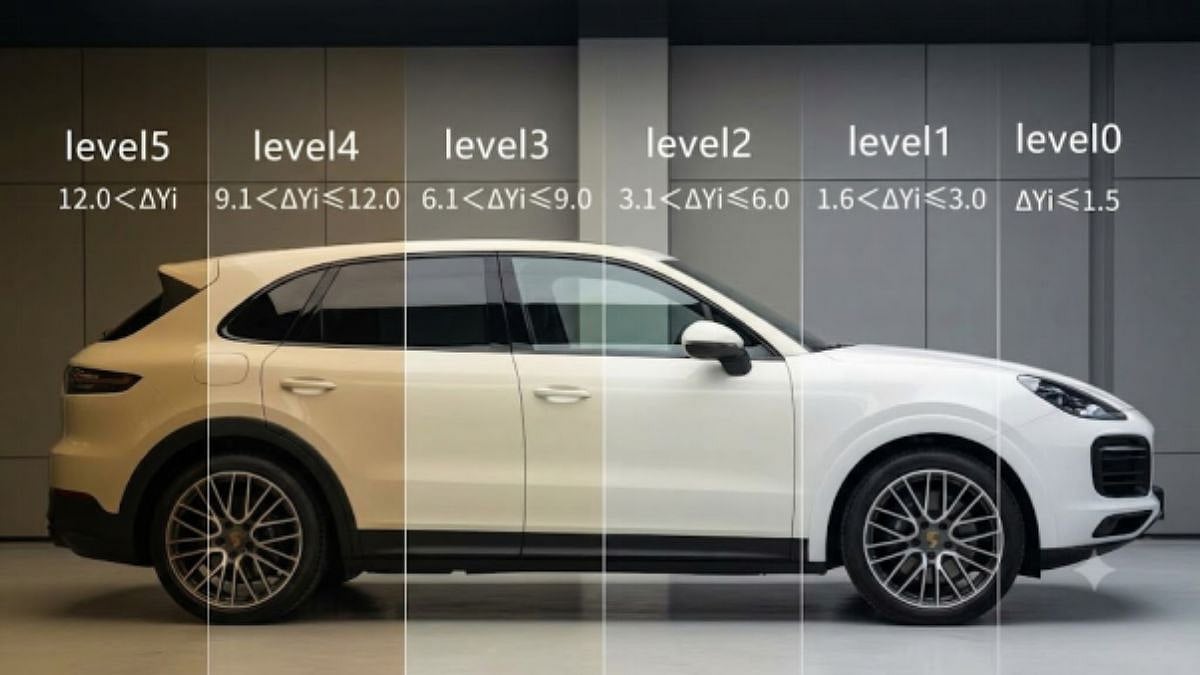
Why PPF Turns Yellow And How Anti-Yellowing Technology Prevents It | File photo
Paint protection film (PPF) is designed to protect a car’s original paint from stone chips, minor scratches, road debris and everyday wear. However, one concern that often comes up among car owners is yellowing. A film that was once clear and nearly invisible can gradually develop a yellowish tint, affecting the appearance of the vehicle it was meant to protect.
Yellowing is not inevitable, nor does it occur at the same rate across all products. It depends on several factors, including the film’s material composition, exposure to environmental elements, quality of manufacturing and maintenance. Understanding what causes this change can help car owners make more informed decisions when choosing a film.
What Causes PPF to Turn Yellow?
1. Prolonged exposure to sunlight and UV radiation
One of the primary causes of yellowing in lower-quality or poorly formulated films is prolonged exposure to ultraviolet (UV) radiation. Sunlight can trigger chemical changes in certain polymers and additives used in a film’s construction. Over time, these changes may affect its colour, clarity and overall appearance.
Cars parked outdoors for long periods may experience greater exposure, particularly in regions where sunlight is intense throughout much of the year. However, the extent of yellowing depends on the film’s formulation and its resistance to UV-related degradation.
2. Heat and environmental conditions
High temperatures can accelerate certain chemical reactions within materials, potentially contributing to discolouration over time. In India, where vehicles can be exposed to intense summer heat, temperature stability is an important consideration when evaluating PPF.
Humidity, rainfall and airborne pollutants can also affect a film’s surface and long-term appearance. While these factors do not necessarily cause yellowing on their own, their combined effects can place additional demands on the material.
3. Material quality and formulation
Not all films are manufactured using the same materials or formulations. Differences in polymer quality, stabilisers, additives and manufacturing processes can influence how well a film retains its clarity over time.
A film may appear clear immediately after installation but show signs of discolouration as it ages. This is why evaluating a product solely on its initial appearance may not provide a complete picture of its long-term performance.
4. Contamination and maintenance
Sometimes, what appears to be yellowing may be surface contamination rather than a change within the film itself. Road grime, environmental deposits, tar and other contaminants can accumulate on the surface, altering its appearance.
Regular cleaning with compatible products can help prevent such build-up. However, if the yellow tint has developed within the film material, washing alone is unlikely to reverse it.
How Does Anti-Yellowing Technology Help?
Anti-yellowing technology aims to slow the processes that can cause a film to lose its clarity. It begins with the selection of suitable raw materials and a formulation designed to withstand prolonged exposure to sunlight, heat and environmental stress.
UV stabilisers and other protective additives can help limit the effects of UV radiation on susceptible materials. The choice and quality of the film’s polymers also influence its resistance to discolouration. Together, these factors can help a well-engineered film retain its transparent appearance for longer.
The film’s topcoat also plays an important role in its overall performance. Depending on its formulation, the topcoat can help resist surface contamination, maintain gloss and improve durability. However, resistance to yellowing depends on the complete film construction rather than a single coating or additive.
Testing is equally important. Evaluations involving UV exposure, accelerated weathering and changes in temperature can help manufacturers assess how a film responds to conditions that may affect its long-term clarity. Although laboratory tests provide useful insights, actual performance also depends on the film’s installation, maintenance and real-world exposure.
What Should Car Owners Look for When Choosing PPF?
When comparing options for car paint protection film, car owners should look beyond initial transparency and focus on how well the product is designed to retain its appearance over time.
It is worth checking the manufacturer’s information on UV resistance, anti-yellowing performance and warranty coverage. Warranty terms should be read carefully, as coverage can vary between products and may be subject to specific conditions.
Installation quality also matters. Improper application, contamination beneath the film or poorly finished edges can affect the final result, even when the film itself is of good quality. Choosing an experienced installer helps ensure that the product is applied according to the manufacturer’s guidelines.
For those considering PPF coating, the objective should be to find a product that balances impact protection, optical clarity, durability and reliable after-sales support. Established brands such as Aegis PPF offer options developed with these performance considerations in mind, although the specifications and warranty of the particular film should always be checked before making a decision.
Ultimately, yellowing is best addressed through prevention rather than attempted correction after the damage has occurred. A well-formulated film with appropriate anti-yellowing properties, professionally installed and maintained as recommended, can help preserve both the vehicle’s paint and its appearance over the long term.
RECENT STORIES
-
-
-
-
-