How Robotic Orthopaedics Is Transforming Joint Care In Eastern India: The Clinical Journey Of Dr Dibya Singha
Dr. Dibya Singha highlighted how robotic-assisted joint replacement, arthroscopy and minimally invasive surgery are transforming orthopaedic care in India. Drawing on international training and clinical experience, he emphasised precision-guided treatment, evidence-based practice, patient education and continuous professional learning to improve outcomes.

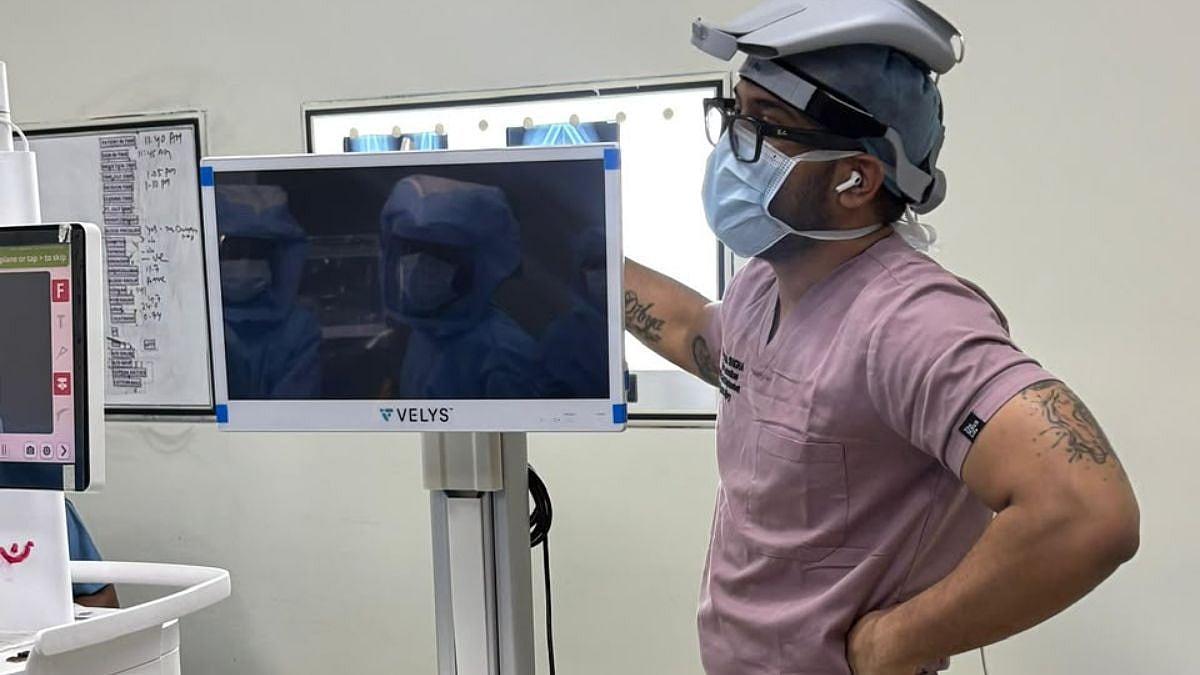
Dr. Dibya Singha is integrating robotic-assisted surgery and minimally invasive techniques to advance orthopaedic care and joint replacement procedures | File Photo
Orthopaedic care in India is changing significantly as robotic technology, minimally invasive procedures, and precise surgical techniques improve treatment for joint disorders and sports injuries. Hospitals across the country are increasingly using technology-assisted solutions to better surgical planning, improve accuracy, and help patients recover faster. One of the specialists shaping this change is Dr. Dibya Singha, an orthopaedic surgeon in Bhubaneswar. His work shows how innovation fits with evidence-based clinical practice.
Currently, Dr. Singha works as a Senior Consultant in Orthopaedics, Robotic Joint Replacement, Arthroscopy, and Sports Medicine at Utkal Hospital. He focuses on robotic-assisted joint replacements, arthroscopic surgery, complex trauma management, sports injury treatment, and minimally invasive procedures. He also leads OrthoOne Orthopaedics, where patients receive thorough care for issues related to bones, joints, ligaments, muscles, and the spine.
The need for specialised orthopaedic care has steadily increased over the past ten years. Factors like longer life expectancy, more people playing recreational sports, sedentary lifestyles, obesity, and age-related conditions have led to more patients seeking help for arthritis, ligament injuries, fractures, and chronic joint pain. As a result, orthopaedic surgeons often blend traditional skills with modern technology to provide personalised treatment plans.
A significant development in recent years is the use of robotic-assisted joint replacement surgery. Unlike traditional methods, robotic systems let surgeons create patient-specific surgical plans using detailed 3D images before surgery begins. During the operation, this technology helps with precise bone preparation and implant placement while the surgeon maintains full control. This method aims to improve implant alignment, keep as much healthy bone and soft tissue as possible, and ensure consistent surgical results.
Dr. Singha has added these modern techniques to his orthopaedic practice, especially in knee and hip replacements. While robotic technology does not replace the surgeon's judgment or skill, it acts as a powerful tool that improves planning and execution. As healthcare institutions keep investing in digital surgical platforms, robotic orthopaedics is becoming a more vital part of joint replacement programs in India.
In addition to robotic joint replacement, Dr. Singha is skilled in arthroscopic surgery of the knee and shoulder, sports medicine, fracture management, trauma reconstruction, ligament repair, and minimally invasive procedures. Arthroscopy, which involves using small cameras and special instruments through tiny cuts, is a preferred technique for diagnosing and treating many sports-related injuries. It typically causes less tissue damage, shorter hospital stays, and faster recovery compared to traditional open surgery.
Professional training has been crucial in shaping his clinical career. After finishing medical school and postgraduate training in orthopaedics, Dr. Singha completed several advanced fellowships in India and abroad. His training includes specialised studies in arthroplasty, arthroscopy, trauma surgery, and joint preservation through programs in Germany, France, Spain, Delhi, and Kolkata. One notable experience was an advanced trauma fellowship at RWTH Aachen University Hospital in Germany, where he learned to handle complex pelvic and acetabular fractures with modern techniques. These international fellowships offer valuable chances to learn from busy centers and adopt globally accepted treatment methods that can benefit local patients.
Academic involvement has also been important in his professional path. Orthopaedic surgery is rapidly evolving, making continuous learning necessary as new implants, techniques, rehabilitation plans, and digital tools emerge. Dr. Singha often participates in scientific meetings, workshops, and continuing medical education programs that promote collaboration among surgeons and the exchange of knowledge across institutions.
A recent example of his dedication to professional education was his participation in the 6th Annual Conference of the Odisha Arthroscopy Society held at Utkal Hospital. This conference brought together orthopaedic surgeons, sports medicine experts, and educators from India and other countries to discuss the latest in arthroscopy, ligament reconstruction, robotic surgery, and minimally invasive care. During the event, Dr. Singha participated in live arthroscopic surgical demonstrations, allowing attendees to see modern surgical techniques and discuss new treatment approaches. These events are essential for improving clinical standards and integrating new technologies into practice.
Patient education has also become a larger part of modern healthcare. Today, medical experts are expected not only to treat illnesses but also to help the public understand common health conditions. Through educational articles and awareness programs, Dr. Singha shares information on arthritis, knee pain, sports injuries, fracture care, spine disorders, rehabilitation, and joint replacement. These initiatives encourage people to recognize symptoms early, seek timely medical help, and understand the importance of rehabilitation after surgical or non-surgical treatment.
The broader orthopaedic landscape in India is changing quickly. According to healthcare experts, advances in robotic-assisted surgery, better implant design, improved imaging technology, and research-backed rehabilitation are transforming how musculoskeletal disorders are treated. At the same time, multidisciplinary care involving physiotherapists, pain specialists, radiologists, anaesthetists, and rehabilitation teams is becoming crucial for long-term recovery after surgery.
In eastern India, healthcare providers are making these advanced treatment options more accessible, which means fewer patients need to travel to big cities for specialised orthopaedic care. The availability of skilled surgeons with fellowship training and access to modern surgical facilities has helped boost the region's reputation for complex orthopaedic procedures.
As orthopaedic medicine progresses, specialists like Dr. Dibya Singha represent a new generation of surgeons that combine clinical experience with emerging technologies to enhance patient care. His work in robotic joint replacement, arthroscopy, sports medicine, trauma surgery, and academic education reflects broader trends shaping the future of orthopaedics in India. While each patient's treatment journey is unique, the increasing use of precision-guided surgery, minimally invasive techniques, and comprehensive rehabilitation plans is redefining expectations for joint care and musculoskeletal health.
With continued investment in technology, ongoing professional education, and a stronger focus on patient-centred care, robotic orthopaedics is poised to play a larger role in improving mobility and quality of life for patients throughout the country. As healthcare systems adopt these innovations, clinicians who combine technical skills with a commitment to ongoing learning will likely lead India's changing orthopaedic landscape.
RECENT STORIES
-
-
-
-
-