Gold, Oil And Forex: Understanding The Global Factors Behind Market Volatility
Gold, crude oil and forex markets are closely linked through interest rates, inflation, the US dollar, capital flows and geopolitical risk. Changes in one market can influence others, making it important for investors to track central-bank decisions, oil supply, inflation data, bond yields, currency movements and geopolitical developments together.

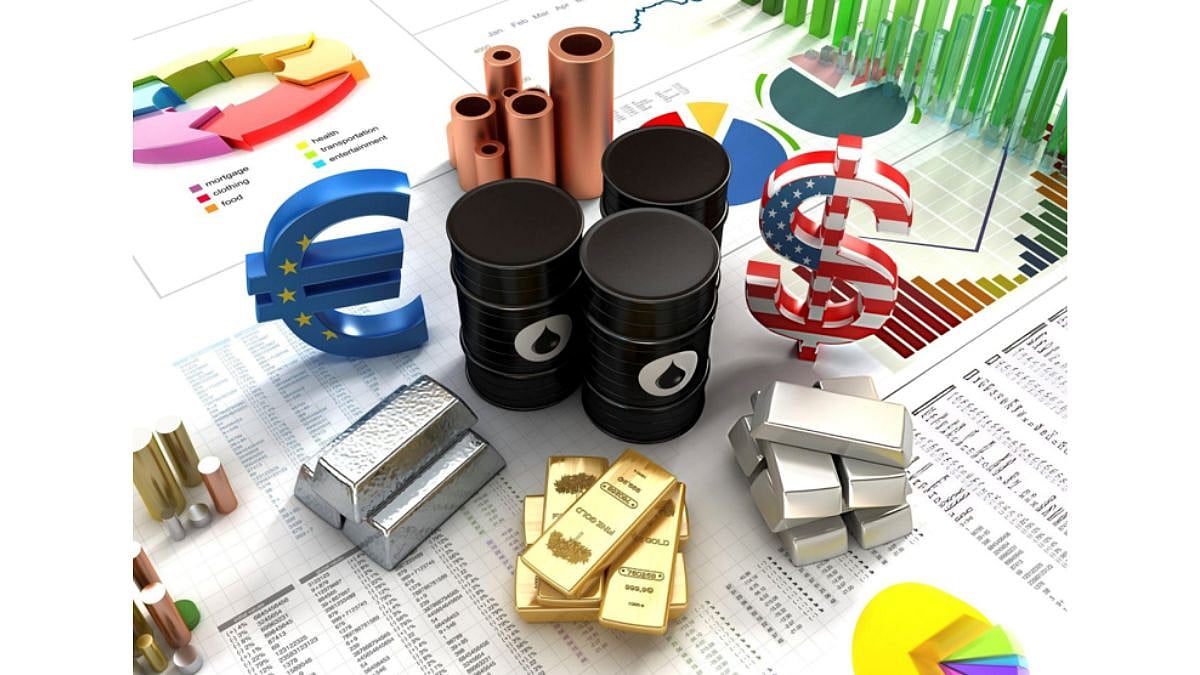
Interest rates, dollar movements, oil supply and geopolitical risks can trigger interconnected shifts across global markets | Representational Image
Gold, crude oil and foreign exchange are different markets, but their prices are often driven by the same forces. Interest-rate expectations, the US dollar and commodity demand can swing within hours after inflation data surprises.
Similar cross-market reactions could occur as investors reassess risk, liquidity and growth as they face geopolitical tensions. A lone headline rarely causes market volatility.
Interest rates, inflation, economic activity, geopolitical developments and investor sentiment are all interacting through capital flows and pricing expectations. In this article, we explain the links between gold, oil and forex and why those links matter when markets move quickly.
Gold as a Safe Haven During Market Uncertainty
Gold is often regarded as a defensive asset as it has no issuer, no credit risk and can attract demand in times of financial and geopolitical uncertainty. It has performed well in stress periods and as a diversifier in portfolios and as a hedge against inflation and dollar depreciation.
Since gold is priced in dollars, a stronger dollar makes it more expensive for buyers using other currencies. It does not pay any interest or dividends, so higher interest rates can make it less attractive. Lower rates should support demand by reducing the opportunity cost of holding cash.
Inflationary fears and worries over the purchasing power of money may increase interest in gold, while buying by central banks is a longer-term source of demand. Gold is a reserve asset and reserve managers may value it in times of financial, economic and geopolitical volatility. However, it is not a guaranteed winner in every crisis. In times of severe liquidity stress, investors can also sell defensive assets to raise cash.
Oil Prices and the Balance Between Supply and Demand
Oil prices reflect the balance of physical supply, inventories and expectations of future demand. On the supply side, OPEC+ production decisions can alter the number of barrels on offer, and wars, sanctions, production outages and shipping disruptions can create fears of shortages.
Demand is equally important. Oil consumption is affected by global growth, manufacturing, transportation and industrial consumption. China and the US are particularly important due to their size, but demand is also influenced by shifts in other large economies.
A sudden increase in oil prices would be transmitted to transportation, electricity and production costs, raising inflation pressures and expectations for monetary policy. Lower demand or oversupply can drive prices down, but lower crude prices can also help offset import costs for oil-dependent economies.
The IMF’s analysis of a large oil shock in the Middle East demonstrated how a supply and transportation disruption can drive prices higher and create a risk premium, while inventories and additional output can help absorb some of the shock.
Forex Markets and the Forces Driving Currency Flows
The foreign exchange markets are always comparing the economic outlook of one country with another. Exchange rates react to interest-rate decisions, inflation, employment and growth data, trade balances, fiscal conditions and political or geopolitical risk.
The relative outlook is often more important than the performance of any one country. Gold and oil are usually quoted in dollars, so the US dollar has a big influence. When US interest rates rise relative to those in other countries, dollar assets can become relatively more attractive.
It may also help support the dollar and put pressure on emerging-market currencies. IMF research suggests that interest-rate differentials are important for exchange rates. Moreover, the dollar strength has been an important driver of emerging-market capital flows.
A stronger dollar can also have effects on commodity markets. It can weigh on dollar prices of gold, raise the local-currency cost of imported oil, and tighten financial conditions in developing economies. If you have an MT4 platform, you can follow commodity charts and watch the currency pairs to get a feel for the relationships.
How Geopolitical Risk Shapes Market Psychology
Markets are often responsive to uncertainty prior to data confirming an economic shock. Conflicts, elections, sanctions, trade disputes and diplomatic tensions may encourage investors to reduce their exposure to risky assets and increase demand for liquidity.
In a typical risk-off episode, gold may attract safe-haven demand, oil may rise on fears of supply disruption, and the US dollar may strengthen on its liquidity and reserve role. Investors reducing risk or seeking dollar assets could pull capital from emerging-market currencies.
Not all these reactions are the same. Gold and the dollar can both rise during a liquidity shock, and oil can fall when the concern is more about weakening demand. Capital-flow reallocations and sharp corrections in asset prices can result from increased geopolitical risks.
Understanding the Connections Between Global Markets
Consider a geopolitical disruption threatening oil supply. Oil prices increase, raising inflation expectations. Tighter monetary policy is expected to support the dollar via higher bond yields. Safe-haven demand supports gold, but higher yields can still pressure the precious metal.
Higher import bills can also be a problem for oil-importing countries, weighing on their currency. The response will be dictated by the scale and length of the disruption and whether alternative sources or stockpiles will soften the blow.
One indicator seldom tells the whole story. Analysts now follow oil inventories, inflation data, central-bank statements, bond yields, the dollar index, and geopolitical developments together. Geopolitical shocks can be transmitted across markets through asset prices and capital flows.
Key Indicators Investors Should Watch
Key signals include Federal Reserve and other central bank decisions, consumer-price and employment reports, OPEC+ announcements, official oil-inventory data, moves in the dollar index and geopolitical developments.
Volatility can bring opportunities as well as losses, so it is important to do your own research and to have a plan for position sizing and stop losses.
Conclusion
Interest rates, inflation, the US dollar, capital flows, and geopolitical risk link gold, oil, and forex. Understanding these relationships can help investors interpret market moves more carefully when multiple global signals change at the same time.
There is no single asset that can tell the whole global story. Disciplined, thoughtful analysis in interconnected markets can provide a clearer, more actionable perspective than reacting to headlines and short-term price movements.
RECENT STORIES
-
-
-
-
-