Weak Monsoon, Rising Prices Threaten India’s $35 Billion Microfinance Sector
Indian microfinance lenders face renewed risks as weak monsoon prospects, rural income pressures and rising prices threaten borrowers’ repayment capacity. With around $35 billion in outstanding loans, the sector is already recovering from past over-lending issues. Experts warn that tighter lending standards and higher delinquencies could slow growth

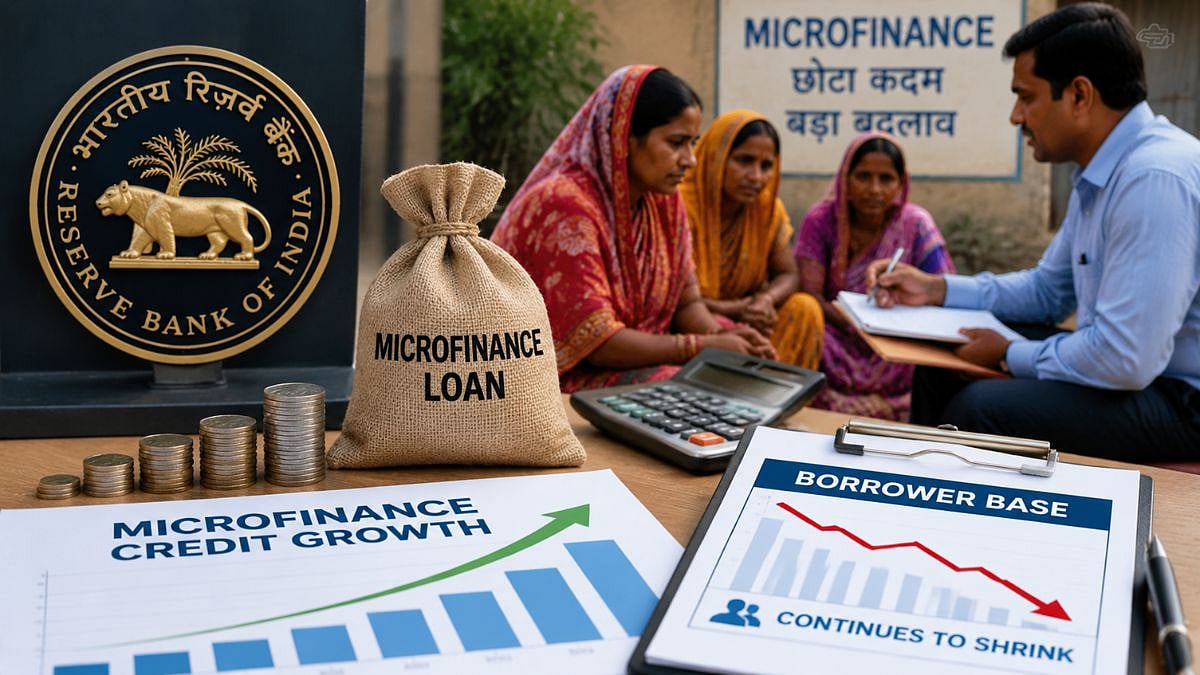
AI Generated Representational Image
India’s microfinance sector is facing fresh challenges as concerns over monsoon performance, inflation and rural income growth raise the risk of higher loan defaults across its nearly $35 billion loan portfolio.
According to a report by The Economic Times, sectors experts have warned that a weak monsoon could affect borrowers’ repayment capacity and force lenders to become more cautious while approving new loans.
Geeta Chugh, sector lead for financial institutions at S&P Global Ratings, said weaker rainfall could slow loan growth as lenders tighten underwriting standards amid rising credit risks.
She noted that around 20% of microfinance borrowers have loans from more than two lenders, and this group has started showing significantly higher delinquency rates compared with borrowers having fewer lending relationships.
Several major financial institutions have considerable exposure to the microfinance segment, including Bandhan Bank and non-bank lenders such as CreditAccess Grameen, Satin Creditcare Network and Muthoot Microfin. At Bandhan Bank, microfinance and micro-lending accounted for 23% of its total loan book at the end of March.
The sector has already faced difficulties over the past two years after rapid loan expansion left many borrowers overleveraged.
Rising defaults prompted lenders and regulators to introduce stricter lending practices and measures to control borrower indebtedness.
Conditions had recently started improving, with lenders adopting safeguards and following industry guidelines to strengthen portfolio quality.
According to a Reserve Bank of India report, outstanding microfinance credit expanded during January-March after declining for seven consecutive quarters, helping improve investor sentiment towards microfinance companies.
However, analysts believe the recovery could face pressure if rural incomes weaken.
India recorded one of its driest Junes in recent years, and expectations of below-normal rainfall in July, a crucial monsoon month, have raised concerns over farm output and household earnings.
ALSO READ
At the same time, higher fuel, fertiliser and food prices linked to global geopolitical tensions could increase financial stress among low-income borrowers.
Microfinance lenders are particularly vulnerable because around 80% of their loan exposure is concentrated in rural areas.
Nearly 35% of loans are linked directly to agriculture, while others are connected to agriculture-based businesses and animal husbandry.
Although the government has said rainfall activity improved in early July and that El Niño does not always result in deficient rainfall, lenders remain cautious.
Experts said persistent inflation and weaker rural demand could further affect repayment ability and increase risks for the sector.
RECENT STORIES
-
-
-
-
-