War Impact On India: Key Takeaways From RBI Governor
RBI Governor Sanjay Malhotra flagged risks to India’s economy from the West Asia conflict, including higher inflation, weaker growth, and currency pressure. He outlined impacts on trade, liquidity, and investment. Despite strong fundamentals and government measures, uncertainty remains high, prompting the RBI to keep the repo rate unchanged at 5.25%

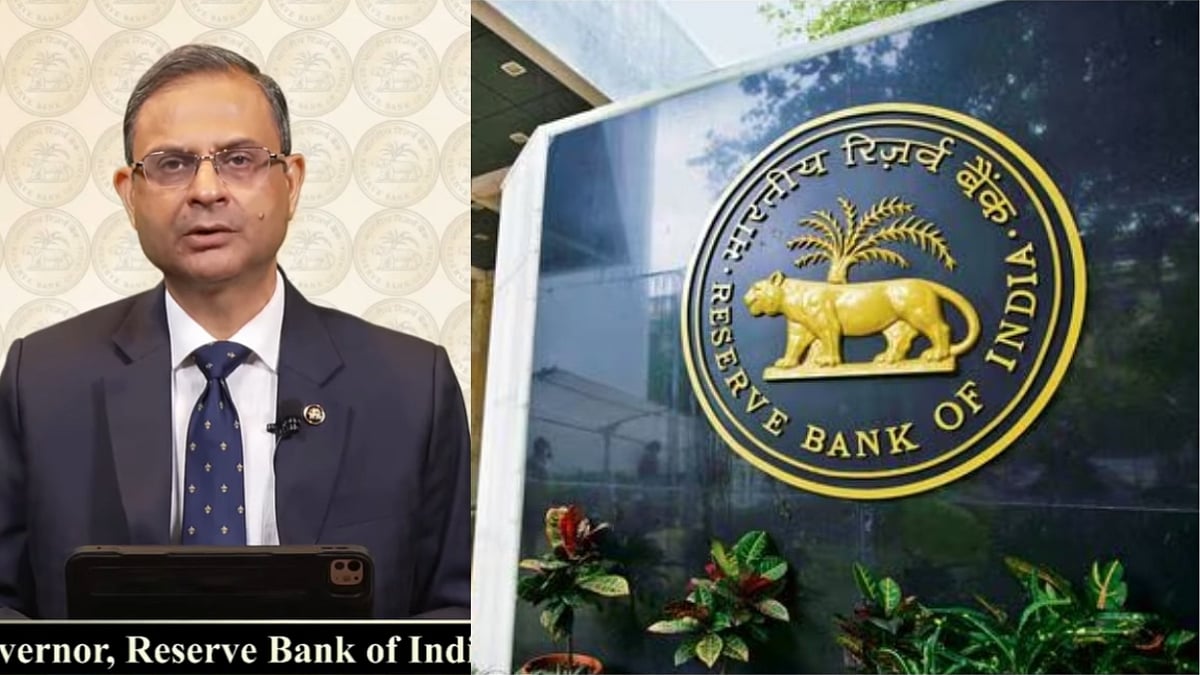
West Asia may have got relief for two weeks from the war, yet it was a clear concern for the Reserve Bank of India (RBI), evident from the speech of Governor Sanjay Malhotra after the conclusion of the first policy meet of the new financial year on Wednesday.
From high energy prices to shortages of inputs for various industries, the Governor touched upon every aspect in which the conflict may impact the Indian economy.
He said that before the outbreak of the conflict, the macroeconomic indicators of the domestic economy were reflecting confidence of buoyant growth and low inflation.
However, the situation turned adverse in March with the widening of the conflict zone. Malhotra warned that global growth was at stake due to the sharp rise in energy prices and inflation fears.
The impact of the war extended to the domestic currency, which has declined sharply since the conflict began. Malhotra also listed the various ways in which the war could impact the Indian economy:
First, elevated crude oil prices could increase imported inflation and widen the current account deficit.
Second, disruptions in energy markets, fertilisers, and other commodities may adversely impact industry, agriculture, and services, reducing domestic output.
Third, heightened uncertainty, increased risk aversion, and safe-haven demand could impact domestic liquidity conditions, economic activity, consumption, and investment.
Fourth, weaker global growth prospects may dampen external demand and reduce remittance flows.
Finally, adverse spillovers from global financial markets could tighten domestic financial conditions and raise the cost of borrowing.
Overall, the initial supply shock can potentially transform into a demand shock over the medium term if the restoration of supply chains is delayed, he said.
The Monetary Policy Committee on Wednesday unanimously decided to keep the repo rate unchanged at 5.25 percent.
Malhotra cited upside risks to inflation and weakened growth prospects as the key reasons behind the decision.
Though headline inflation remained within the required range, geopolitical uncertainties may adversely impact prices.
“Headline inflation remains contained and below the target. However, upside risks to the inflation outlook, driven by increased energy price pressures and probable weather disturbances affecting food prices, have increased. Core inflation pressures remain muted, although supply chain dislocations and the risk of second-round effects render the future inflation trajectory uncertain,” Malhotra said.
While he assured that the Indian economy continues to stand on strong fundamentals of private consumption and investment demand, the war has the potential to impede growth.
Malhotra highlighted the efforts of the government in limiting the impact on the masses.
“The Government has taken several measures targeted at supporting exports and protecting supply chains. This should mitigate the adverse impact of the conflict,” he assured.
RECENT STORIES
-
-
-
-
-