Union Cabinet May Clear New Urea Policy Today To Cut Import Dependence
The Union Cabinet is likely to review reforms for the urea sector, including a new investment policy, production norms and subsidy extension for FY26. The proposed policy aims to add 9-10 million tonnes of annual urea capacity, reduce import dependence, lower subsidy burden and explore alternative feedstock options amid geopolitical risks

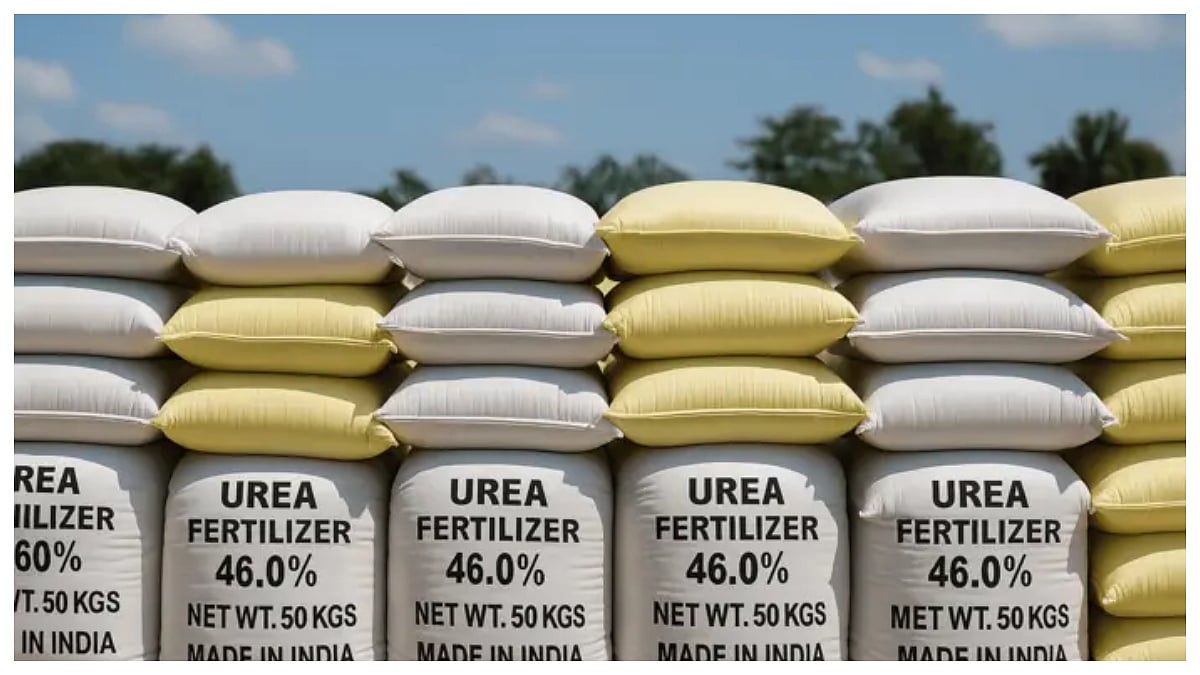
The Union Cabinet is expected to consider a set of major reforms for India’s urea sector on Wednesday, including a new investment policy, revised production norms and continuation of fertiliser subsidy support for FY26, Business Standard reported.
The proposed policy seeks to address long-standing challenges in the fertiliser sector, including dependence on imports, rising costs and supply disruptions caused by geopolitical tensions.
The move comes amid concerns over India’s heavy reliance on imported urea and raw materials from regions affected by global conflicts.
Under the proposed framework, India aims to increase domestic urea production by around 9-10 million tonnes over the next eight years through the establishment of seven new manufacturing units.
ALSO READ
These projects are expected to include both greenfield and brownfield plants, with each facility estimated to have an annual production capacity of nearly 1.27 million tonnes.
The expansion is expected to reduce the government’s subsidy burden significantly. Conservative estimates suggest that the policy could help save more than Rs 10,500 crore annually in subsidies, assuming imported urea prices remain around $345 per tonne.
Sources said the new policy may provide guaranteed buyback support to new plants for eight years from the start of commercial production.
The government is also examining the possibility of using ammonia produced through coal gasification as a feedstock instead of relying heavily on imported liquefied natural gas (LNG).
The move is aimed at reducing vulnerability to supply disruptions, especially as a large share of India’s LNG imports come from Gulf countries.
India imported nearly 27 million tonnes of LNG in FY25, with around 61 per cent sourced from Gulf nations such as Qatar, the UAE and Oman. Nearly 85 per cent of gas used in domestic urea production is imported.
The proposed investment policy estimates project costs at around Rs 11,000 crore for greenfield plants and Rs 9,000 crore for brownfield expansions.
Currently, India imports around 26 per cent of its annual urea requirement, creating significant pressure on government finances.
During the West Asia crisis, fertiliser subsidy estimates for FY27 had risen sharply, with projections suggesting they could have touched nearly Rs 3 trillion.
However, subsidy projections have recently moderated after China eased export restrictions and India improved fertiliser inventories to meet domestic demand.
The proposed reforms are expected to strengthen domestic production capacity, reduce import dependence and improve India’s long-term fertiliser security.
RECENT STORIES
-
-
-
-
-