Traffic Via Hormuz Drops Sharply On Sunday As Iran Disrupts Strait
Shipping through the Strait of Hormuz fell sharply after Iran announced a renewed closure of the waterway, citing ceasefire violations. Vessel movements dropped from 26 to just five ships in a day. The disruption raises concerns for global oil flows, though some commercial activity continues in the region

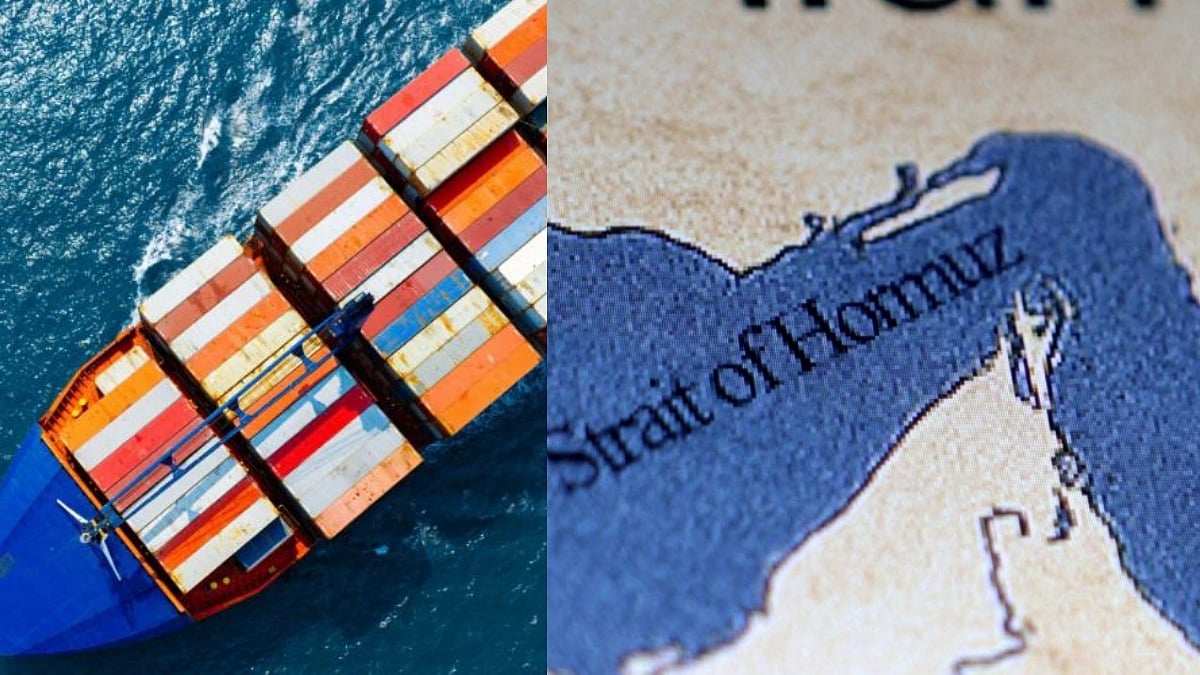
The number of vessels transiting through the Strait of Hormuz declined sharply on Sunday after Iran announced that it had once again closed the strategic waterway.
Tehran cited alleged violations of an interim peace agreement by Israel and the United States as the reason for the renewed restriction. Shipping data indicates a significant drop in maritime traffic as a result.
According to a report by Reuters citing data from Kpler, only five ships passed through the strait on Sunday, compared to 26 vessels observed a day earlier.
Among those that transited were three Very Large Crude Carriers (VLCCs), each transporting around 2 million barrels of Saudi crude and fuel oil. One of these vessels was reportedly headed toward Japan.
The data may not capture all vessel movements, as some ships are known to switch off their transponders while navigating through sensitive maritime zones in the Gulf, potentially limiting visibility of actual traffic.
Iran had lifted its effective blockade of the strait the previous week after reaching an agreement with the United States to extend an April ceasefire for 60 days, allowing space for ongoing peace negotiations.
However, on Saturday, Iran’s Islamic Revolutionary Guard Corps declared the waterway closed again, citing Israeli strikes in Lebanon as justification.
Despite the announcement, the U.S. military stated that commercial shipping continued to operate in the region, suggesting partial continuity of maritime movement.
On Saturday, three VLCCs carrying crude oil from the United Arab Emirates, Kuwait, and Iraq were among the vessels that exited the strait.
In addition, three tankers transporting various refined oil products also passed through the waterway, according to the data.
Meanwhile, 13 ships entered the strait on Saturday, including two VLCCs. Gulf producers such as Abu Dhabi National Oil Company (ADNOC) and Kuwait Petroleum Corporation have also issued crude sales tenders with optional loading points both inside and outside the Strait of Hormuz, reflecting ongoing uncertainty in shipping logistics.
The latest developments underline the volatility surrounding one of the world’s most critical oil transit routes, with regional geopolitical tensions continuing to influence global energy flows.
RECENT STORIES
-
-
-
-
-