SEBI Proposes Revamp Of STP Framework To Cut Costs, Reduce Concentration Risk
Sebi has proposed replacing the current hub-based Straight-Through Processing framework with a decentralised API-driven system to reduce costs, lower latency and improve scalability for institutional trading. The regulator said most STP traffic currently flows through one provider, creating concentration risk. Public comments on the proposal have been invited till June 9.

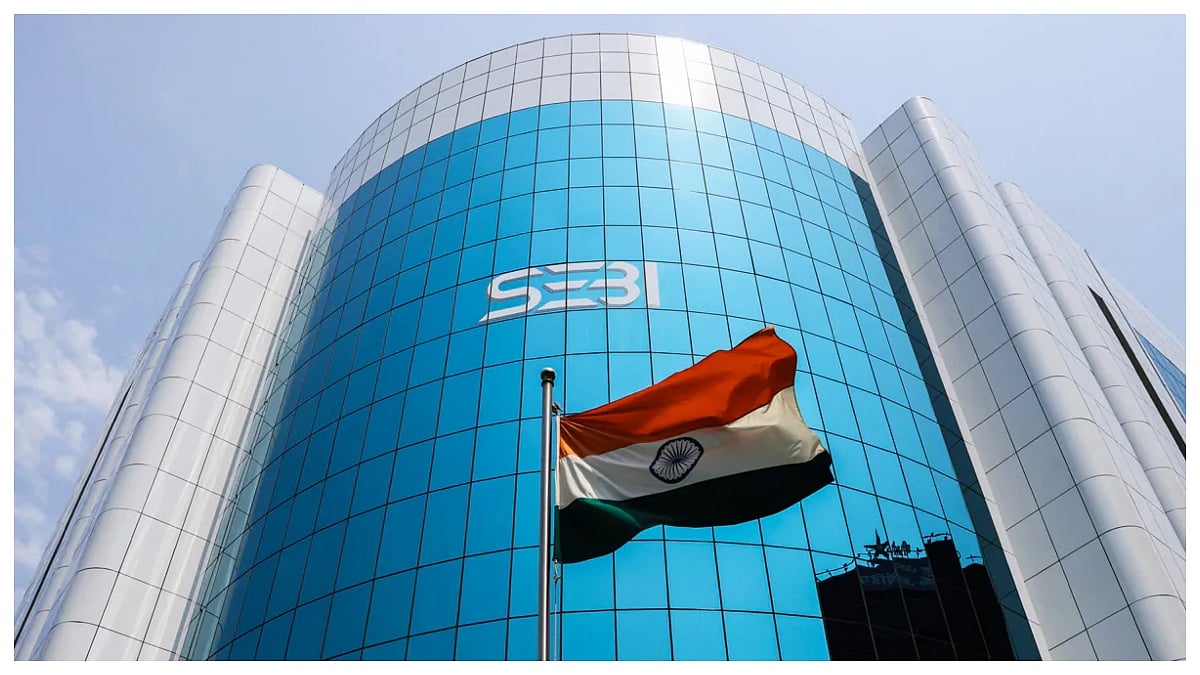
Sebi has proposed the GARUDA framework to accelerate approvals and fundraising for alternative investment funds in India | File Pic
New Delhi: Sebi on Tuesday proposed a revamp of the existing Straight-Through Processing (STP) framework by replacing the current centralised hub-based architecture with a decentralised API-based model to reduce costs, lower latency and improve service delivery for market participants.
In a consultation paper, Sebi proposed doing away with the existing STP Centralised Hub used for transfer of messages between different STP Service Providers (SSPs). Instead, message exchange would take place through direct Application Programming Interface (API)-based connectivity between SSPs.
Under the proposed framework, SSPs catering to different STP users will be required to enable standardised API endpoints based on agreed protocols and data formats. This would facilitate seamless and secure exchange of messages and data without routing them through a centralised hub.
"This would also enhance scalability and cost-effectiveness of STP framework while supporting the transaction volumes of institutional trading," Sebi said.
The proposal would not require any change at the level of end users -- stock brokers, fund houses, custodians.
It would "likely encourage more SSPs to participate, thereby mitigating the concentration risk with single large SSP and improving value added services by SSPs to STP users", Sebi said.
STP enables automated end-to-end processing of financial transactions and is used for the exchange of various messages among market participants, including Electronic Contract Notes (ECNs).
Sebi said an analysis of STP traffic between April 1 and December 31, 2025 showed that 95-99 per cent of all STP messages were routed through a single SSP, creating significant concentration risk.
Further, because inter-SSP messages currently pass through a single entity -- the STP Hub -- the system is exposed to a potential single point of failure.
The regulator noted that the cost and latency associated with routing messages through the hub may incentivise market participants to consolidate operations with one SSP, worsening concentration risk.
At the same time, the negligible volume of traffic passing through the STP Hub suggests that it is no longer serving its intended purpose of enabling broad-based interoperability, Sebi said.
To further improve operational efficiency and reduce manual intervention, Sebi has also proposed introducing an optional API-based message exchange facility for STP users serviced by the same SSP.
This facility, in addition to the existing upload and download mechanism, would enable seamless automated communication between users and help minimise human errors while enhancing security.
The Securities and Exchange Board of India (Sebi) has invited public comments on the proposals till June 9.
Published on: Tuesday, May 19, 2026, 07:49 PM ISTRECENT STORIES
-
-
-
-
-