SEBI Annual Report Shows Shift Towards Long-Term Investing As Equity Delivery Ratios Rise In FY26
SEBI’s latest annual report highlighted a shift in Indian equity markets towards long-term ownership over speculative trading in FY2025-26. Delivery ratios increased despite lower cash market turnover, while derivatives activity declined sharply after regulatory measures aimed at reducing excessive retail speculation and improving market stability

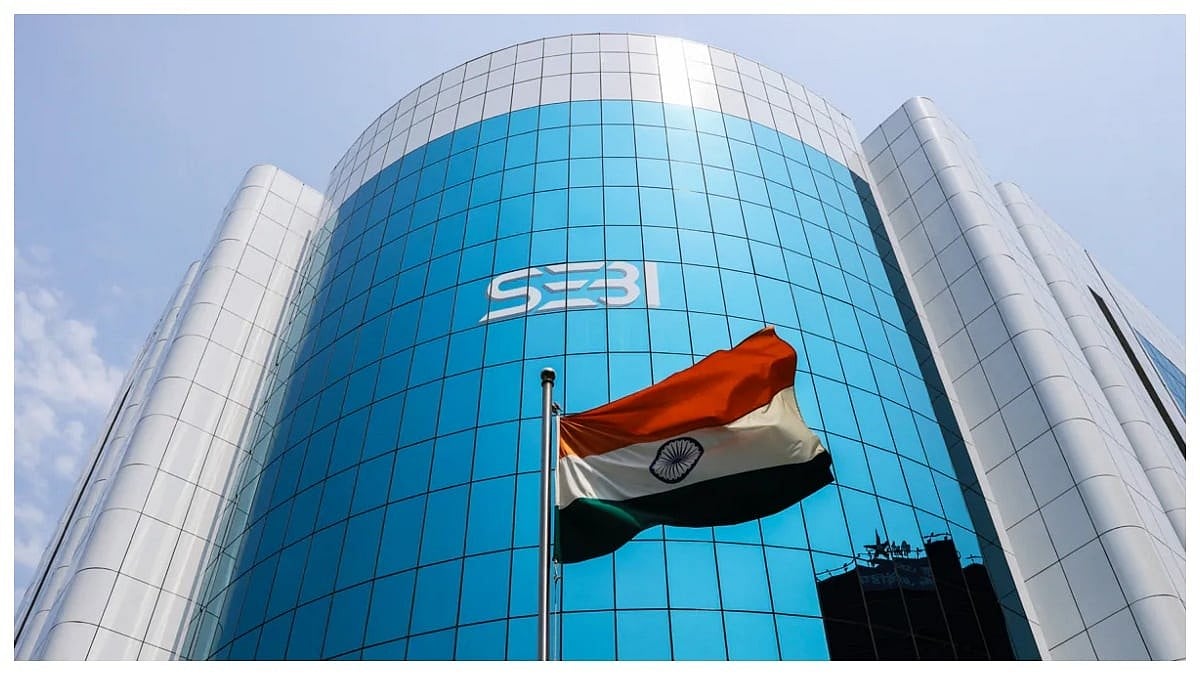
File Pic
Indian equity markets witnessed a shift towards long-term investment behaviour in FY2025-26, with investors showing a greater preference for holding assets rather than engaging in short-term speculative trades, according to the Securities and Exchange Board of India’s (SEBI) latest annual report.
The regulator noted that delivery-to-traded quantity and value ratios increased during the year, indicating stronger participation from investors focused on ownership of securities.
ALSO READ
Higher Delivery Ratios Signal Long-Term Market Participation
SEBI said the delivery-to-traded quantity ratio across National Stock Exchange Clearing (NCL) and Indian Clearing Corporation (ICCL) increased to 29.3% in FY26 from 23.6% in the previous year. The delivery-to-traded value ratio also rose to 27.4% from 24.4%.
The regulator said the rise in delivery-based transactions reflected a growing preference for ownership transfers instead of intraday trading.
This trend emerged despite a 6.8% decline in overall cash equity turnover, which fell to ₹280 lakh crore during the year. SEBI attributed the moderation to valuation concerns and some movement of retail savings towards gold and silver.
However, investor participation continued to expand, with demat accounts reaching 22.5 crore, supported by easier digital onboarding processes.
Derivatives Reforms Reduce Speculative Activity
The derivatives segment showed a different trend, with combined notional turnover rising 4.3% to ₹1,10,418 lakh crore, even as the total number of options contracts fell 51.5%.
SEBI explained that the decline in contract volumes was linked to an increase in contract sizes, which meant fewer but larger contracts were traded. The regulator also highlighted its measures to reduce excessive speculation in derivatives markets.
These measures included higher contract sizes, rationalisation of weekly expiries, mandatory upfront premium collection and an increase in securities transaction tax.
SEBI said these steps were aimed at making derivatives markets more orderly, resilient and risk-aware while preserving their role in hedging and price discovery.
Additional safeguards included stricter intraday position monitoring and restricting weekly options trading to a single benchmark index per exchange.
RECENT STORIES
-
-
-
-
-