Oil Prices, Tariffs And Markets: What Democrats' Dominance In US Congress Means For India
Expectations of a Democratic sweep in the US midterm elections have pressured the dollar and Treasury yields. Analysts warn of increased scrutiny of tariffs, energy, technology and artificial intelligence. For India, lower crude prices and yields could offer relief, although trade negotiations and geopolitical uncertainty remain significant concerns

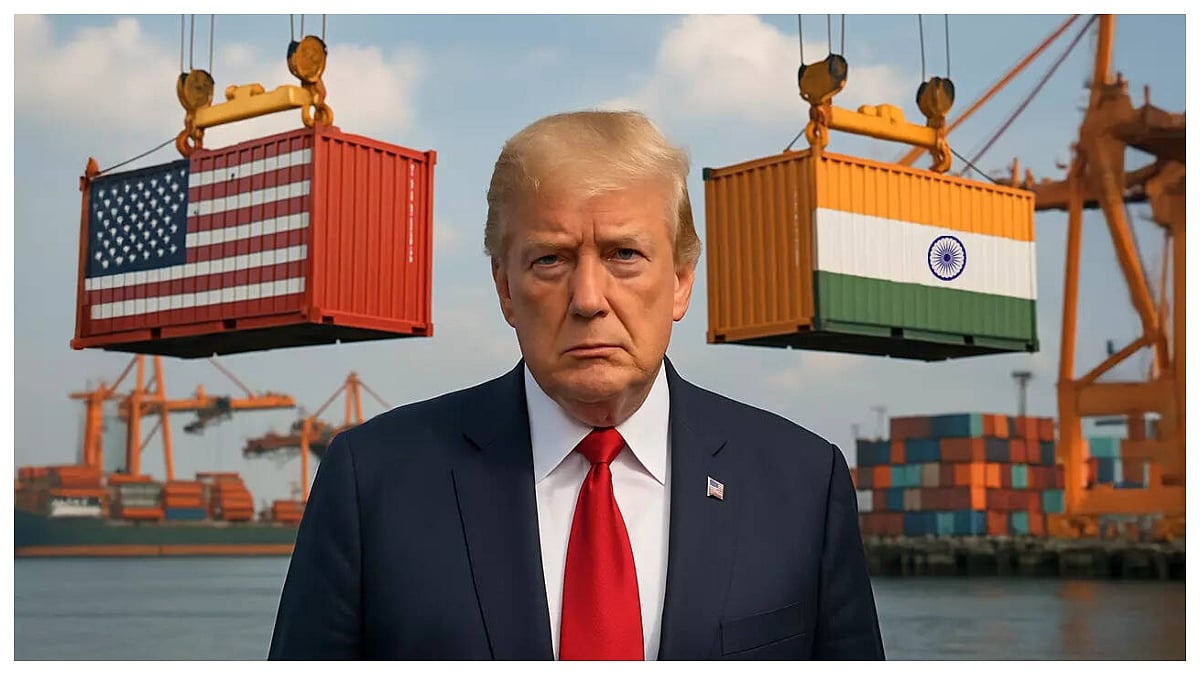
File Image |
Expectations of a Democratic sweep in the US midterm elections have weighed on the dollar index and Treasury yields as investors assess the implications of reduced Republican control of Congress.
Markets are closely watching crude oil prices amid speculation that a Democratic-controlled Congress could pressure President Donald Trump to withdraw from the Iran conflict.
However, Trump's reliance on executive actions and emergency powers could limit Congress's influence over foreign policy.
ALSO READ
As per analysts, energy and major technology companies could face increased scrutiny under a Democratic Congress.
Regulatory oversight of fossil fuels, artificial intelligence (AI) and technology businesses could intensify, while concerns about higher taxes after 2028 may emerge earlier.
Energy companies could face additional pressure if oil prices decline, although Trump would retain substantial executive authority over permits and regulations.
Democrats could also challenge the administration's tariff policies through legislation. However, presidential trade powers make an immediate rollback unlikely.
Companies dependent on international supply chains, imported materials and manufacturing inputs would remain exposed to trade policy uncertainty.
Also, investment in AI infrastructure may continue, with state and local governments playing a greater role in data-centre approvals and regulation. A divided Congress could complicate efforts to establish a unified federal framework.
For India, the consequences could be primarily geopolitical rather than directly linked to domestic equities.
Lower crude prices, a weaker dollar and declining US Treasury yields could support Indian assets, ease pressure on the rupee and improve foreign institutional investor sentiment.
Reduced borrowing costs could provide additional relief. However, higher US tariffs and continued geopolitical tensions remain risks.
India's proposed trade agreement with Washington also faces uncertainty.
Beyond immediate market movements, investors will assess the scale of any Democratic victory for indications of the political landscape ahead of the 2028 US presidential election.
RECENT STORIES
-
-
-
-
-