Crude Oil Hovers Near $100 A Barrel, Why Global Oil Prices Remain On Edge Amid Middle East Tensions?
Crude oil remains near USD 100 as Middle East tensions keep supply risks alive, while stronger exports and G7 reserve releases prevent a sharper price surge.

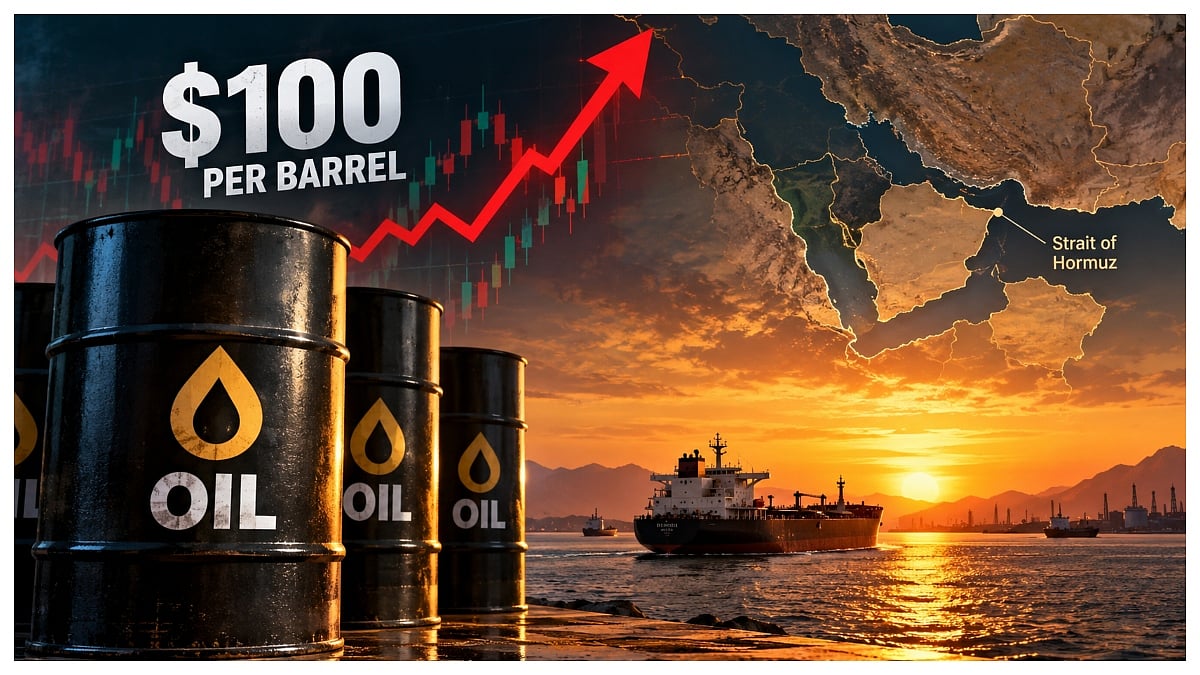
Crude oil remains near USD 100 as Middle East tensions keep supply risks alive. |
New Delhi: Crude oil prices continue to hover around the crucial USD 100-per-barrel mark as the global energy market remains caught between improving supplies and persistent geopolitical risks in the Middle East.
Brent crude, the global oil benchmark, was trading around USD 100 a barrel on Tuesday, while US West Texas Intermediate crude remained near USD 89. The market has witnessed sharp volatility as traders assess whether supplies can remain stable.
Why Are Oil Prices Still High?
The biggest concern remains the security situation in the Middle East, particularly around the Strait of Hormuz, one of the world's most important oil shipping routes.
Fresh attacks on tankers and energy infrastructure have kept fears of supply disruptions alive. Any major interruption in oil movement through the region could tighten global supplies and push prices higher.
However, Middle Eastern crude exports have shown signs of recovery. Producers have used alternative routes and logistical arrangements to keep oil flowing despite regional tensions.
What Is Keeping Prices From Rising Further?
Another major factor is the planned release of emergency oil reserves by G7 countries. The group has agreed to release around 100 million barrels of crude oil and refined products to ease supply pressure.
ALSO READ
The move has helped calm fears of an immediate shortage and prevented crude prices from rising sharply above current levels.
Could Oil Stay Expensive For Longer?
Industry executives have warned that the impact of the current disruption may not disappear quickly.
Saudi Aramco's chief executive has said rebuilding depleted global inventories could take up to two years. Refinery disruptions and shortages of refined products such as diesel are also adding pressure.
This means the oil market could remain volatile even if crude supplies improve.
For India, which imports most of its crude oil requirements, sustained prices around or above USD 100 could increase the import bill, put pressure on the rupee and raise inflation risks.
RECENT STORIES
-
-
-
-
-