Budget Impact On Markets Over 15 Years, Sensex Averages 0.35% Gain On Budget-Day
Over the last 15 years, Sensex has gained an average 0.35 percent on Budget day, while Nifty shows similar mixed trends. Markets perform better after the Budget, with higher chances of gains in one-week to three-month periods as investors focus on fundamentals.

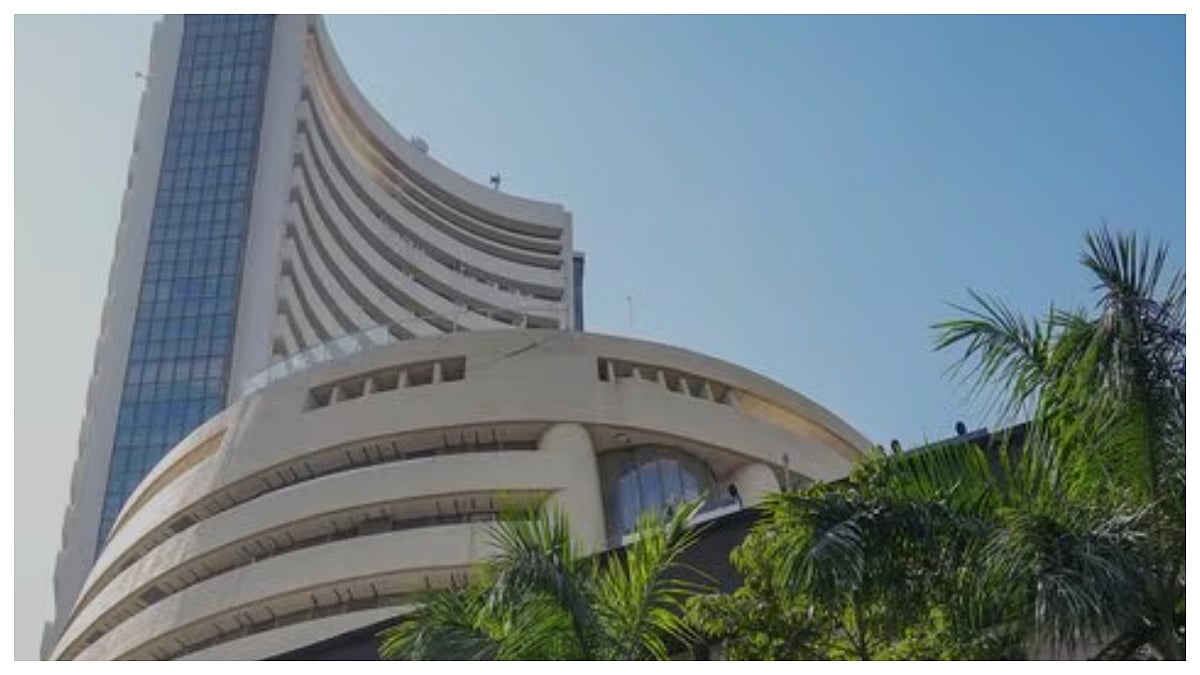
Mixed Record for Budget Day. |
New Delhi: Over the last 15 years, India’s stock markets have shown a mixed but slightly positive performance on Budget day. Both the BSE Sensex and Nifty 50 have often ended the day in the green, but sharp ups and downs are common.
On average, Sensex has gained around 0.35 percent on Budget day during this period. This shows that while the Budget creates a lot of excitement, it usually does not decide the long-term direction of the market in a single session.
High Volatility, Limited Direction
Budget day is known for heavy news flow and high intraday volatility. Markets often react quickly to major announcements, which leads to sudden spikes or falls during the day. However, by the closing session, prices usually settle as investors take a more balanced view of the policies.
Nifty has shown a similar pattern. Some years saw strong gains, while others recorded sharp declines. But when all 15 years are taken together, the average change remains small, suggesting no clear long-term trend from Budget day alone.
Markets Perform Better After the Budget
The picture improves once the initial reaction fades. According to data from SBI Securities, markets have shown better performance in the weeks following the Budget.
In the last 15 years, Sensex closed higher in 11 out of 15 weeks after the Budget, with an average gain of 1 percent. Nifty performed even better, rising in 12 out of 15 such weeks with an average gain of 1.10 percent.
This suggests that investors often use post-Budget volatility to buy quality stocks at lower levels.
One-Month and Three-Month Trends
At the one-month level, both indices have delivered more positive results than negative ones. This shows that markets gradually move away from headline news and start focusing on company earnings and economic outlook.
At the three-month level, fundamentals and global factors play a bigger role. Still, historical data remains supportive. Sensex ended higher in 9 out of 15 three-month periods after the Budget, with an average gain of 6.77 percent in positive cases. Nifty matched this record, with a slightly stronger average gain of 7.40 percent.
Weak Markets Often Bounce Back
Interestingly, when markets were already weak before the Budget, returns after the event were usually stronger. If Sensex or Nifty had fallen more than 3 percent in the month before the Budget, the following one-week, one-month and three-month returns were generally higher. This shows a pattern of recovery or “mean reversion”.
Overall, the data shows that Budget day itself is uncertain and volatile. But investors who stay patient and invest gradually in the weeks after the Budget have historically seen better returns.
Disclaimer: This content is for informational purposes only and does not constitute financial advice. Market performance depends on multiple factors. Investors should consult qualified financial advisors before making investment decisions.
RECENT STORIES
-
-
-
-
-