Automakers Plan To Seek EV-Level Benefits For Plug-In Hybrids In CAFE-III Norms
Indian automakers plan to seek higher regulatory benefits for plug-in hybrid vehicles under upcoming CAFE-III fuel efficiency norms. They want PHEVs to receive the same super-credit multiplier as electric vehicles. JSW MG Motor could benefit immediately, while BYD and other manufacturers may gain if they introduce qualifying models in India

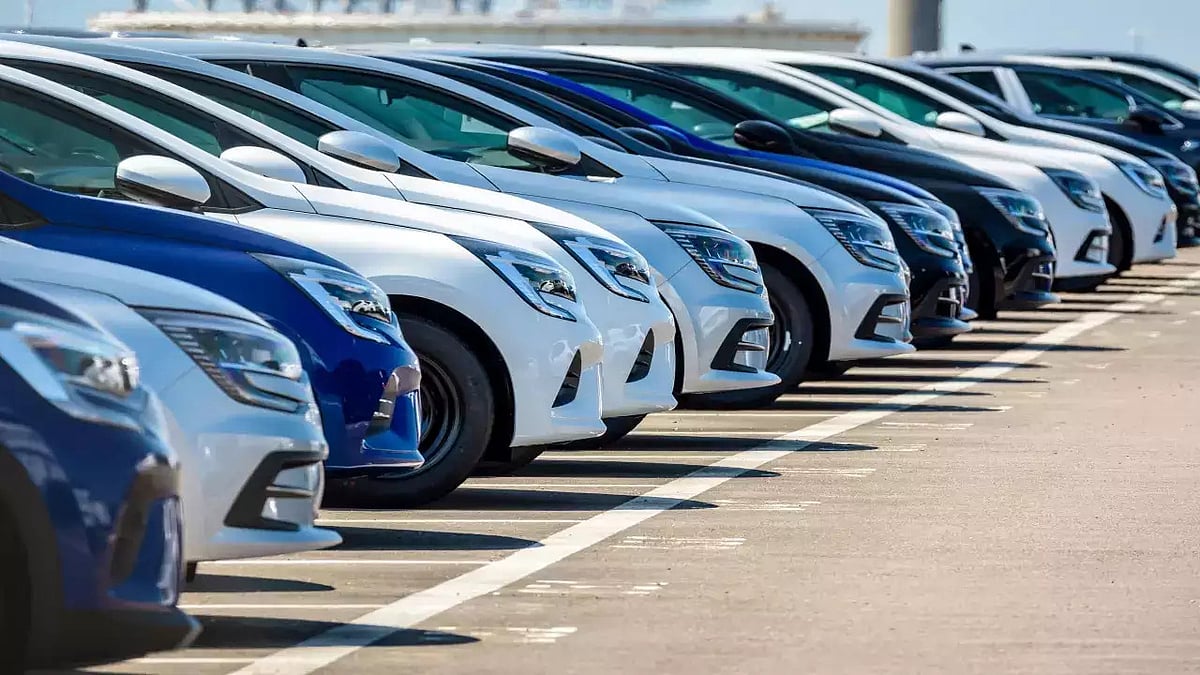
File Pic (Representative Image)
Indian automobile manufacturers are preparing to seek regulatory benefits for plug-in hybrid electric vehicles (PHEVs) equivalent to those available for electric vehicles (EVs) under the proposed Corporate Average Fuel Economy (CAFE)-III norms, Moneycontrol reported.
The move could help companies with substantial petrol and diesel sport utility vehicle (SUV) portfolios meet stricter fleet-level fuel efficiency requirements.
The regulations are scheduled to apply from April 1, 2027, to March 31, 2032. Under the proposed framework, EVs and range-extender electric vehicles (REEVs) receive a super-credit multiplier of three, compared with 2.5 for PHEVs and 1.6 for strong hybrids.
ALSO READ
Automakers want PHEVs placed alongside EVs and REEVs because plug-in hybrids can operate entirely on electric power over shorter distances.
A senior automobile industry official cited in the report said that some international markets recognise PHEVs alongside electric vehicles because of their electric-only driving capability.
The official said manufacturers had not formally approached the government but intended to submit their proposal soon.
Super credits play an important role in determining compliance with CAFE regulations.
The framework evaluates a manufacturer's sales-weighted fleet average rather than assessing each vehicle independently.
Higher multipliers increase the contribution of qualifying lower-emission vehicles, helping manufacturers balance their conventional petrol and diesel portfolios.
JSW MG Motor could benefit from the proposed change after introducing the locally manufactured seven-seater Hector Tomahawk plug-in hybrid in August 2026.
The company has also sought more favourable taxation for PHEVs.
JSW MG Motor Director Parth Jindal previously said the 40% goods and services tax (GST) rate made competitive pricing difficult.
Chinese automaker BYD is evaluating plug-in hybrid vehicles for India and has reportedly undertaken local testing.
However, its product selection and launch schedule remain undecided.
Stellantis could also benefit if its planned PHEV models enter the Indian market. Maruti Suzuki and Toyota may gain if they introduce qualifying plug-in hybrids.
Their existing strong-hybrid vehicles fall under a different regulatory category and would not automatically receive higher PHEV credits. The proposed changes remain subject to government consideration.
RECENT STORIES
-
-
-
-
-