The Challenges Facing Chief Minister Shivakumar
As Karnataka Chief Minister, DK Shivakumar faces the challenge of reviving Bengaluru's strained infrastructure. From chronic traffic congestion and delayed Metro projects to lake pollution, shrinking green cover and waste management issues, the city requires urgent reforms to improve mobility, environmental sustainability and overall quality of life.

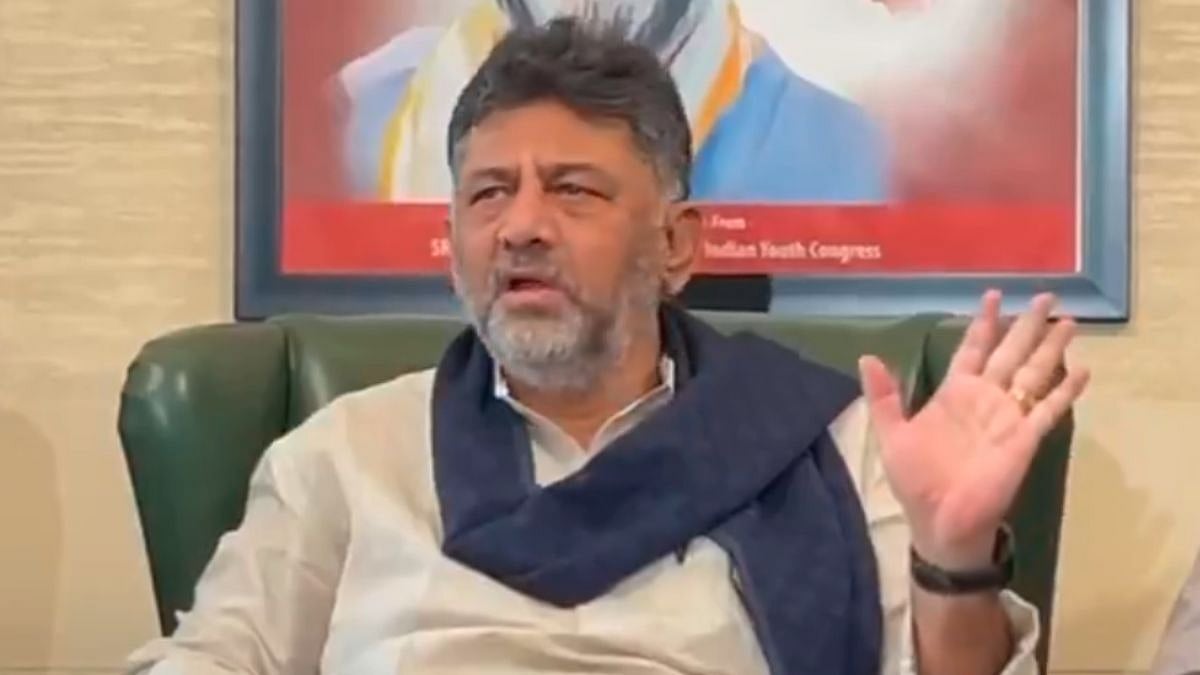
Karnataka Chief Minister DK Shivakumar | X @ANI
Moving from co-pilot to the captain’s seat, Karnataka Chief Minister DK Shivakumar has the onerous task of making Bengaluru work. Indifference, incompetence, and civic corruption have turned India’s IT capital into a spectacular symbol of failed urbanisation. After hitting headlines as the second most congested city on the planet on the TomTom Index, where people lose 168 hours a year in rush-hour traffic, Bengaluru should seriously pursue reform with support from Shivakumar. The city is hobbled by both glaringly obvious and invisible crises.
Environmental and civic challenges
Images of some of the 1.2 crore residents of the metropolitan area working on laptops in gridlocked traffic are famous, but less evident is the reported presence of heavy metals in crops grown in and around the city. It should alarm people that slowly accumulating heavy metals transmitted through vegetables is a deferred penalty on health in later years. This slow-moving storm originates in peri-urban lakes such as Hoskote, which provides water for irrigation. An urgent mission to stop pollution of lakes and water bodies should be high on the list of priorities of the incoming Bengaluru development minister, who can count on Shivakumar’s support. He was playing that role until recently as Deputy CM.
Also critical is the universal problem of excessive paving, touching 85% of the city’s surface area, as is the shrinking of tree cover to just 6% in the garden city of the past. Paving over the soil makes it impossible to use nature’s bounty of an estimated 15 TMC feet of rainfall in a year, and percolation points should be identified.
Infrastructure and Metro expansion
Shivakumar, who has yearned for long to be chief minister, will have his mettle tested quickly. Public frustration is evident that their otherwise vibrant city has been laid low by gross neglect of its long-pending Metro Rail line expansion. If the government wants to show speedy results here, it should readily adopt Chinese-style 24x7 construction methods, deploying mass manpower to compensate for abominable delays in completing over 100 km of phase 2 Metro lines to connect high-density eastern and southern localities, as well as the international airport.
Recent research published by the Indian Institute of Science (IISc) points to the benefits of the latest Metro Yellow Line in the city going far beyond just a smooth commute—it improves commuter well-being by encouraging walking, aiding mental health, and reducing pollution. Obviously, metro lines also cut expensive fossil fuel use. Yet, metro stations can be accessed easily only through a major push for last-mile connectivity, as the IISc findings underscore. That is shorthand for doubling the bus fleet.
Waste management and traffic reforms
Yet another battleground is waste management, where Shivakumar famously said a mafia has been operating. Bengaluru literally picks its way around mounds of streetside trash each day, warranting major reform. The city’s patron should convince motorists that a Singapore-style congestion charge to rationalise traffic volumes and fund proven urban infrastructure is actually a good idea.
RECENT STORIES
-
-
-
-
-