The Ban On Satluj Will Only Make It More Popular
The controversy over Satluj has renewed debate on censorship, freedom of expression and historical accountability. The piece argues that withdrawing the film after its release only heightened public interest, illustrating how attempts to restrict access in the digital era can amplify attention rather than suppress it.

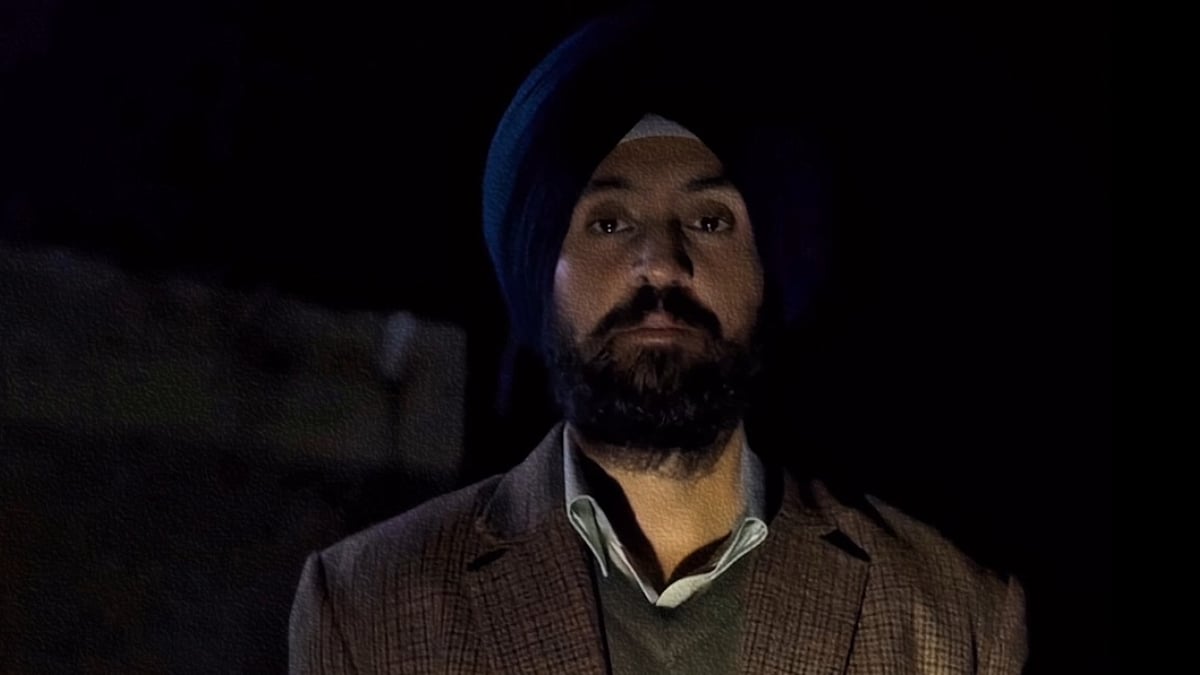
Satluj Controversy | Instagram
The curious journey of Satluj raises more questions than it answers. A film that remained uncertified for nearly three years was suddenly released on an OTT platform, reportedly without any cuts. The only visible concession was a change of title. Punjab 1995 became Satluj. Barely 48 hours later, it disappeared from Indian screens. Nothing dramatic happened during those two days to justify its withdrawal.
The film had already passed whatever scrutiny the authorities considered necessary. If there was a reason to remove it, it was never convincingly explained. If the objective was to deny Indians access to the film, the effort has failed spectacularly. Satluj continues to be available outside India.
Pirated and downloaded copies have spread rapidly, while reports suggest that the film has even been screened at gurdwaras and other public places in Punjab. The digital age has repeatedly shown that once a film is released, withdrawing it only increases public curiosity.
Political Timing Raises Questions
The timing has inevitably fuelled speculation. Assembly elections are approaching in Punjab, and the film deals with one of the most painful chapters in the state's recent history. The victims portrayed are Sikhs, and the extra-judicial killings occurred when the Congress was in power.
One theory is that the film could have politically embarrassed the Congress, though much water has flowed down the Satluj since then. Yet, that explanation is incomplete.
The BJP, too, has little reason to celebrate the film, since it presents the administration led by the late Chief Minister Beant Singh in an unfavourable light. His son has been one of the party's prominent faces in Punjab.
Khalra's Legacy Endures
Whatever the political calculations, the central figure of the film is not a politician or a militant. It is Jaswant Singh Khalra, the human rights activist who painstakingly documented illegal disappearances and secret cremations during Punjab's years of militancy.
He was not defending terrorism. He was defending the rule of law. He believed that even the State must remain accountable to the Constitution. For that commitment, Khalra paid with his life. He was abducted, murdered and, according to the investigation, his body was disposed of in the waters of the Satluj after being cut into pieces to prevent identification.
His story deserves to be told because democracies do not become stronger by hiding their failures. They become stronger by acknowledging them and ensuring that they are never repeated. Governments may fear difficult films, but history cannot be permanently censored.
Censorship And Public Curiosity
Satluj has already demonstrated that suppressing a film in the internet age is both impractical and counterproductive. The attempt to silence it has only amplified its reach. The real question is not why people want to watch Satluj; it is why a democracy should be afraid of letting them.
RECENT STORIES
-
-
-
-
-