Regulatory Reform: Rx For Safer Cough Syrups
Amid repeated child deaths linked to contaminated cough syrups containing diethylene glycol, criticism has highlighted weak drug regulation and sluggish CDSCO enforcement. The Union government has restricted sale of cough syrup without prescription to tighten control and traceability.

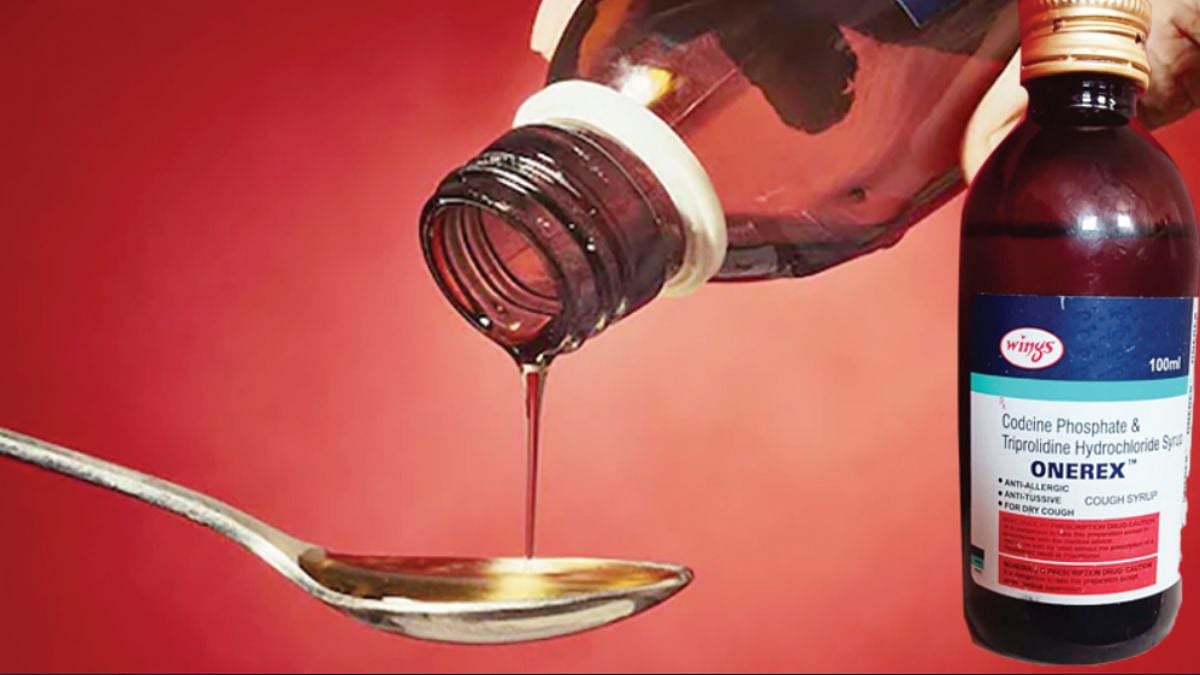
Regulatory Reform: Rx For Safer Cough Syrups | File Photo
The highly visible tragedy of children helplessly dying in several places after consuming contaminated Made in India cough syrup has periodically exposed the scandalous state of pharma safety. Ranging from Uzbekistan to Madhya Pradesh, young victims perished as their kidneys and livers collapsed due to the presence of diethylene glycol, a contaminant in the syrup which an indifferent system of regulation and quality control did not correct over decades. The crisis prompted the Supreme Court to admonish the pharma sector recently, asking if it was aware of the harm to the country’s reputation caused by the pursuit of easy lucre. Now, in response, the union government has prohibited the sale of cough syrup without a doctor’s prescription in an attempt to funnel the flow of the medicine through regulated licensed druggists. This could better control the movement of the drug and avoid unnecessary medication, besides creating a verifiable trail when things go wrong. Yet, given the reality of pharmaceutical retail in the country and porous prescription norms, it is unlikely to solve the problem. The Central Drugs Standard Control Organisation (CDSCO) has acted with extraordinary sluggishness in enforcing the powers it has on drug quality, satisfying itself with audits of 90% of about 1,300 syrup manufacturers in the wake of the quality scandal. It has maintained indefensible secrecy in not putting in the public domain details of errant drug manufacturers who have been issued notices for serious deficiencies. Such a serious regulatory deficit cannot be addressed merely by creating a bottleneck in the distribution of cough syrup.
A primary disconnect in drug quality in the country is the inadequacy of law. While the CDSCO is empowered to assess the drug manufacturing practice and quality, there is no overarching system that enables imposition of curbs across all states when one state finds issues with a particular manufacturer’s products. If Maharashtra’s drug control authorities find problems with a drug from Himachal Pradesh, they can only intimate their counterparts in that state to take action. Even the information on errant manufacturers is not available nationally to warn all states of a negative finding. This hobbling of regulation due to the inherited legacy of the Drugs and Cosmetics Act, 1940, needs to be addressed through modernisation in tune with population growth and the entry of numerous drugs and formulations. Governments must stop playing softball on drug safety and amend the Jan Vishwas Act, 2023, which softened regulation and shields wrongdoers from court-determined penalties. It is absolutely essential for the union government to specifically require the full findings of the CDSCO and state drugs regulators from drug testing to be made public under the proactive disclosure provision of the RTI Act. Sub-standard or toxic Indian drugs, such as cough syrups, Ringer’s lactate solutions, and eye drops, have taken many lives. This shameful saga must be brought to an end.
Published on: Wednesday, June 17, 2026, 10:40 PM ISTRECENT STORIES
-
-
-
-
-