Nepal's Gen Z Earthquake: Balen Shah's RSP Sweeps Polls, Ousting Old Guard In A Revolt Against Stagnation
A youth-driven political surge has propelled Balen Shah and the Rastriya Swatantra Party to a major electoral victory in Nepal, displacing traditional parties. Frustration over corruption, unemployment and migration fuelled the shift, though the new leadership now faces the challenge of delivering economic reform and stable governance.

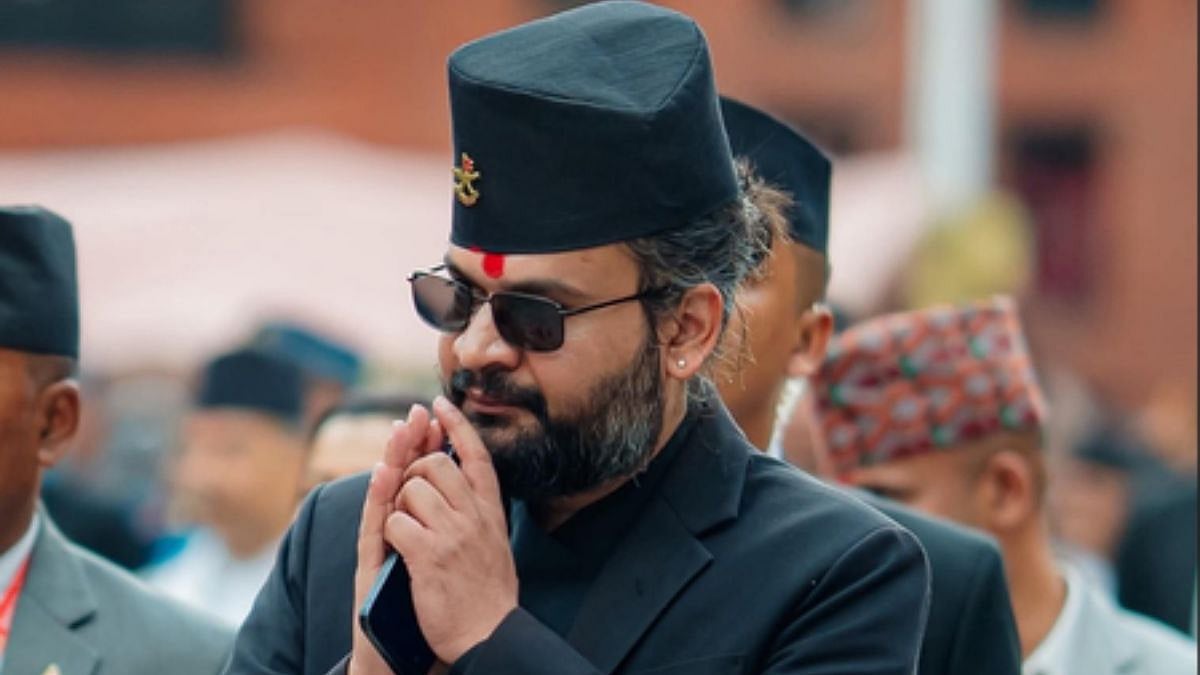
Balen Shah, the 35-year-old former mayor of Kathmandu who became the face of Nepal’s Gen Z political awakening, has swept the national polls with a slate of young candidates from youthful Rastriya Swatantra Party (RSP), dislodging the old guard coalition once led by Marxist veteran KP Sharma Oli. | IANS
Nepal’s latest election has delivered one of the most striking political upsets in the country’s modern democratic history. Balen Shah, the 35-year-old former mayor of Kathmandu who became the face of Nepal’s Gen Z political awakening, has swept the national polls with a slate of young candidates from youthful Rastriya Swatantra Party (RSP), dislodging the old guard coalition once led by Marxist veteran KP Sharma Oli.
The forces behind this electoral earthquake are neither mysterious nor subtle. Nearly half of Nepal’s population is under the age of 30, and this generation has grown up watching a political elite rotate through power while corruption, unemployment, and poor governance persisted.
For many young Nepalis, the country’s stagnation has translated into a stark personal reality: migration. Tens of thousands leave every year to work abroad, often in harsh conditions and sometimes even in war zones, simply to secure a livelihood unavailable at home.
Nepal remains among the poorest countries in the world, with a per capita income of about $1,447 and an unemployment rate hovering near 13 per cent. Its youthful demographic profile, theoretically a demographic dividend, has instead become a source of anxiety, as it has long struggled to generate the industries, infrastructure, and jobs needed to absorb this swelling workforce.
Economic hardship has been compounded by systemic corruption and a heavy reliance on remittances, which, while keeping Nepal’s economy afloat, have also masked the failure of successive governments to create sustainable growth at home.
The weekend’s election results reflect a reservoir of public frustration directed at the major traditional parties, which include both the Communists of various hues and the centrist Nepal Congress, which many voters believe squandered years of opportunity.
The political backlash was also fuelled by the memory of last September’s student protests, which erupted across Nepal amid accusations of corruption and authoritarian behaviour by the political establishment. The demonstrations ultimately forced the resignation of Oli’s government.
Yet, the real test begins now. Shah and the RSP campaigned on a “Nepal First” platform that emphasised clean governance and national dignity. But slogans alone will not solve Nepal’s structural problems. Reviving the economy, reducing dependence on remittances, and generating jobs for millions of young citizens will require policy coherence and institutional capacity that the new leadership has yet to demonstrate.
ALSO READ
There is also a geopolitical dimension to Nepal’s generational shift. Wedged between India and China, Nepal has long navigated a delicate balance between its two powerful neighbours.
A government led by young nationalists could recalibrate these relationships in unpredictable ways. The new leadership may seek to assert greater autonomy in foreign policy, even as it relies on both neighbours for trade, investment, and transit.
For now, Nepal stands at a moment of political optimism mixed with profound uncertainty. The country’s youth have voted decisively for change. Whether that change produces renewal, or merely another chapter of disappointment, will depend on whether Nepal’s new rulers can translate generational energy into governing competence.
RECENT STORIES
-
-
-
-
-