Karma Paripakvam: Understanding When Actions Ripen Into Experience
Karma Paripakvam explores how accumulated actions ripen into lived experiences. Drawing on concepts like Sanchita, Prarabdha and Aagami Karma, Dr. S. Ainavolu explains suffering, awareness and the role of witnessing in reducing pain while undergoing karmic outcomes.

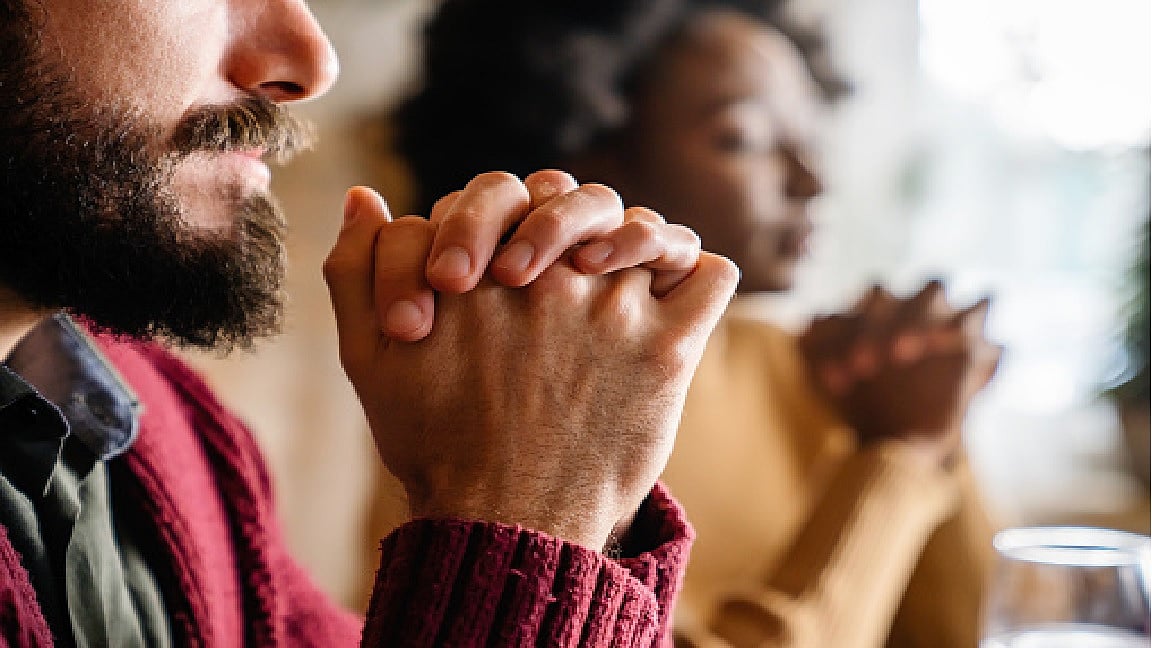
Karma Paripakvam explains how actions mature over time, shaping life experiences through awareness and acceptance. | Representational Photo: Pixabay
Paripakvam means ripened. Karma is the stock of good and bad outcomes or results of the actions we did knowingly, for which we need to undergo the reactions. In pure scientific terms, one may explain it as action and reaction, maybe with some time lag. The word ‘karma’ is used both for the action and for the outcome. Karmic mass accumulated over multiple lifetimes is called sanchita. A portion of that which is destined for the current life and allocated for spending is called prarabdha. The current actions are again creating karma, and this shall be undergone in future times. This is aagami karma.
Why good people suffer
Often, seemingly good people complain of the struggles they are undergoing. They seek an explanation, quoting examples of deemed bad people having a better life and being visibly happy. That question has agony embedded in it. It is coming from a hurt heart. The simplicity of linear thinking is obvious in such a question. “Why me?” and “What caused this?” go almost unanswered. The explanation can be only through karma. There shall not be a rational explanation for the suffering they are undergoing, despite dealing with people and life circumstances in a fair manner and leading life along ethical principles. We often have no explanation for this along action-or-reaction lines. The karma theory helps in seeing the big picture and offering a consolation or explanation.
When karma ripens
When the karma becomes “paripakvam”, that is when we undergo it. Whether we undergo it fully or the need gets moderated by any protecting force depends on whose “sharanam”, or protection, we are under. The undergoing and suffering shall be there; only the degree will come down. For example, if one were to suffer a fall and stay bedridden for a month, that person may come out with some bruises. Suffering gets lessened significantly.
Witnessing without suffering
Here, another nuance is required regarding undergoing karmic outcome and suffering. When people with viveka and maturity learn to get into the “witnessing” mode or “sakshi bhava”, then undergoing shall be there, but not the suffering. One awareness that helps is that none escape their karmic outcomes, and maybe our turn is now. So, one should not brood; instead, he or she should start doing good karma.
Dr S Ainavolu is a Mumbai-based teacher of management and tradition.
RECENT STORIES
-
-
-
-
-