Justice Yashwant Varma’s Resignation: A Clever Escape That Raises More Questions Than It Answers
Justice Yashwant Varma resigned from the Allahabad High Court as impeachment proceedings gathered pace, effectively halting the process. The move has sparked debate on judicial accountability, as resignation avoids formal removal. Allegations over cash recovery remain unresolved, with calls growing for a transparent probe to maintain public trust in the judiciary.

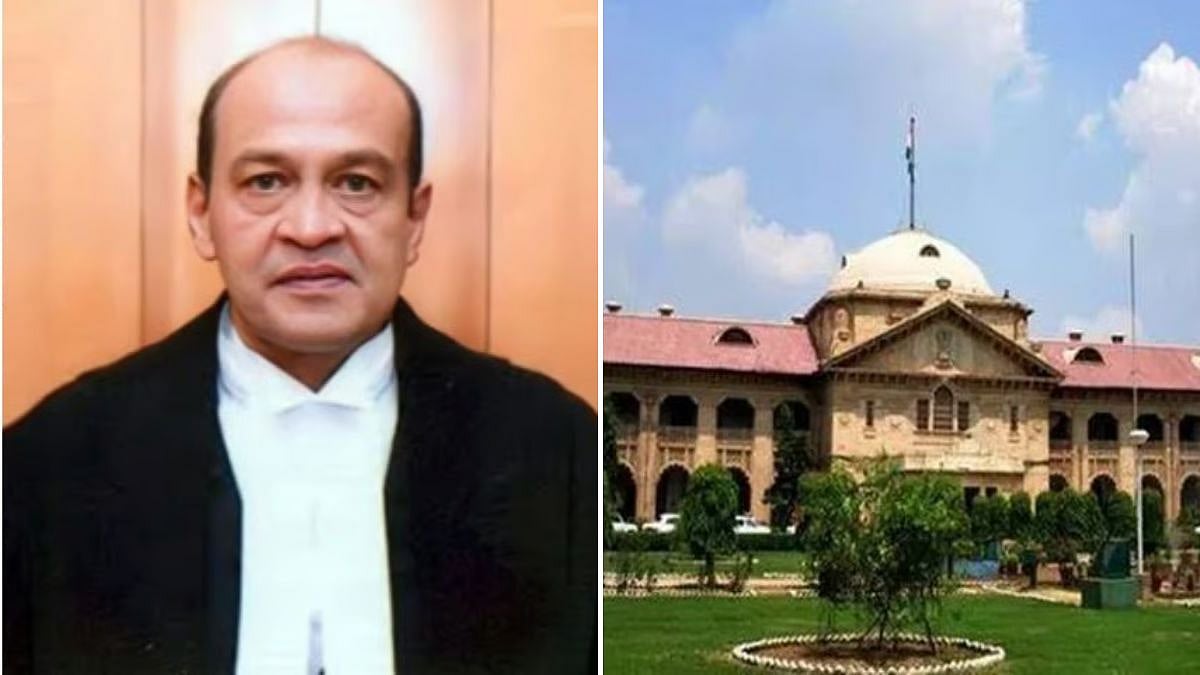
The resignation of Justice Yashwant Varma from the Allahabad High Court is being seen by many as a clever legal manoeuvre, but it raises more questions than it answers. | File Pic
The resignation of Justice Yashwant Varma from the Allahabad High Court is being seen by many as a clever legal manoeuvre, but it raises more questions than it answers. By stepping down just as impeachment proceedings gathered momentum in Parliament, he has effectively brought the process to a halt, since impeachment is meant only to remove a sitting judge. Had the process run its course and ended in his removal, he would have forfeited several post-retirement benefits, including provident fund entitlements, and carried the indelible stain of being the first judge in India’s history to be impeached. Instead, he has chosen a path that allows him to exit office without that formal dishonour, even as serious findings hang over his head. In any case, he had been barred from hearing any case after he was transferred to his parent High Court.
However, resignation does not amount to exoneration. Justice Varma has maintained that he is innocent, alleging that adversaries conspired to plant a large quantity of cash at his official residence in Lutyens’ Delhi while he was a judge of the Delhi High Court. It is pertinent to point out that this defence was examined and rejected by a three-member committee of judges appointed by the apex court, which found him culpable. The circumstances under which the cash came to light only deepen the intrigue: it was an accidental fire that partially burnt currency notes worth crores, bringing the hidden trove into public view. The claim that unknown enemies would risk such vast sums merely to implicate a judge strains credulity and remains unsupported by any convincing explanation. Now, stripped of judicial office, Justice Varma also loses the protective immunity that comes with it, making him answerable before the law like any other citizen.
This episode underscores the extraordinary difficulty of removing judges from constitutional courts, a safeguard meant to preserve judicial independence but one that can also shield misconduct. It is time to re-examine whether the existing mechanism strikes the right balance between independence and accountability. More importantly, the resignation must not be allowed to close the chapter. Critical questions remain unanswered: if the money belonged to him, what was its source, and did it influence his judicial decisions? If it was planted, who possessed such enormous unaccounted wealth, and how did they gain access to a judge’s residence? The credibility of the judiciary depends on transparent answers. Any erosion of public trust in this vital institution is a threat to democracy itself. The resignation should, therefore, mark not the end, but the beginning of a determined process to let the law take its full and impartial course. Justice must not only be done but must also be seen to be done.
RECENT STORIES
-
-
-
-
-