Delhi High Court Secures The Right To Protest
The Delhi High Court has quashed an FIR against a student who attended a protest at Ramlila Maidan over alleged corruption in SSC exams, ruling that participation alone does not prove intent to break the law. The judgment has renewed debate over police action against demonstrators and constitutional protections for peaceful assembly and free expression.

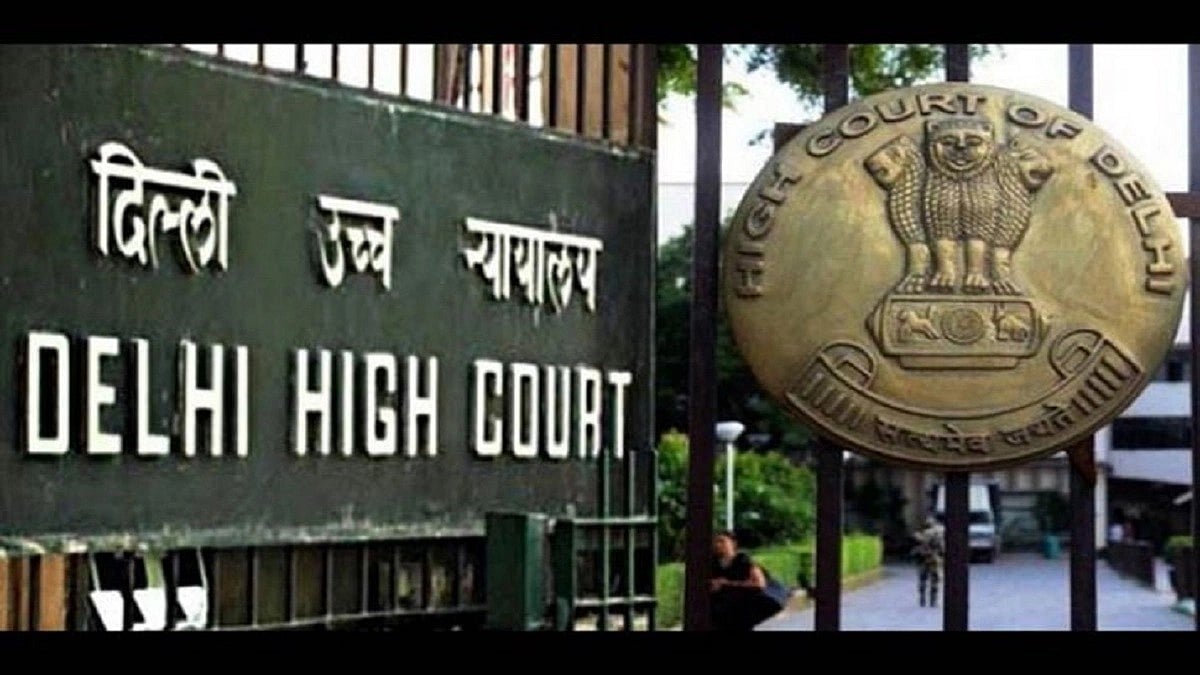
Delhi High Court | File Photo
The recent Delhi High Court judgment granting the right to protest because mere participation in a meeting does not demonstrate an intention to disobey the law is extremely significant, especially in the context of the Cockroach Janta Party and Congress protests in Delhi, calling for the resignation of CEC Gyanesh Kumar.
The High Court quashed an FIR against a student who had attended a protest at Ramlila Maidan last year against corruption in the conduct of Staff Selection Commission (SSC) examinations. The Delhi Police rounded up 44 youngsters from the maidan and filed FIRs against them for merely ignoring the announcement to disperse. The High Court ruled that the petitioner could not be subjected to criminal proceedings in the absence of any evidence against him.
The Delhi Police has, over the past few years, turned into an oppressive force, trying to crush peaceful protests, prevent the staging of satyagraha and deny permission for marches. Mass FIRs against unknown persons have become a pattern, and people, mostly minorities, as in this particular case, are picked up, jailed and prosecuted. Case after case, especially in the Delhi riots cases, has been thrown out by the courts due to a lack of evidence and imaginative reconstruction of events.
In the recent protests against the CEC, too, we could see how a police force of 22,000 unleashed its strength on protesting youngsters. All this is done under the pretext of “national security”, which has become the central government’s favourite war cry. It is a shame for a nation that has witnessed many memorable democratic protests to now see a ruthless police force being unleashed on its own citizens. Though recent rulings have gone against such brutal use of police force, considerable leeway has been given to the police to crack down on protesters under vague pretexts. Misuse and deliberate misreading of the law have become common practices with the Delhi Police despite many warnings from the courts.
Constitutional Freedoms Under Threat
Article 19 of the Constitution gives Indian citizens a wide range of freedoms. It specifically guarantees the freedom to assemble peacefully and without arms, as well as freedom of speech and expression. For the Delhi Police to say that an assembly of youngsters at Ramlila Maidan or Jantar Mantar will affect the sovereignty of the nation is a bit thick.
The India where angry citizens could march in protest has been wiped out, and its place has been taken by a repressive police raj, especially in the national capital and in BJP-ruled states. As history shows, paranoia and repression can lead to many other dangers.
Such rulings serve as timely reminders, though the courts have to do much more to preserve the basic freedoms of citizens.
To get details on exclusive and budget-friendly property deals in Mumbai & surrounding regions, do visit: https://budgetproperties.in/
RECENT STORIES
-
-
-
-
-