Congress Lacks Moral Authority To Speak On Constitution
A speaker in Patna referred to the Emergency imposed on 25 June 1975 under Article 352 highlighting its duration until March 1977 and citing large-scale arrests press censorship and curbs on civil liberties The remarks also mentioned Indira Gandhi and referenced Rahul Gandhi’s public display of the Constitution during political events and rallies as reported

Congress Lacks Moral Authority To Speak On Constitution |
Patna: I am always surprised and shocked whenever I see how Congress's Yuvraj and leader of opposition in Lok Sabha, Rahul Gandhi, frequently holds up a pocket-sized, red-covered copy of the Indian Constitution during political rallies, parliamentary sessions, and official events as if he is the only saviour of the Constitution and the values enshrined within it.
It also surprises me how Rahul Gandhi so conveniently forgets that his grandmother and then Prime Minister Indira Gandhi imposed the national Emergency on June 25, 1975, and excesses or systemic human rights violations were committed in utter violation of constitutional provisions.
The Internal Emergency was proclaimed on 25th June 1975 under Article 352 of the Constitution on the grounds of "internal disturbance" and remained in force until 21st March 1977, lasting 21 months. It remains the longest period during which democratic freedoms and civil liberties were suspended across independent India.
More than 1.1 lakh political opponents, activists, journalists, trade union leaders and student leaders were arrested during the Emergency. Nearly 35,000 individuals were detained under the draconian Maintenance of Internal Security Act (MISA) without trial.
The Maintenance of Internal Security Act (MISA) became the principal legal instrument for preventive detention during the Emergency, allowing authorities to imprison individuals without formal charges, trial or immediate judicial review. Several political prisoners were tortured and met with inhumane treatment.
The constitutional remedy of Habeas Corpus, which allows citizens to challenge unlawful detention before courts, became unavailable after the suspension of Fundamental Rights, preventing detainees from seeking judicial protection against arbitrary imprisonment.
In the landmark ADM Jabalpur v. Shivkant Shukla (1976) judgment, the Supreme Court held that during the Emergency, citizens could not enforce their Fundamental Rights through courts after their suspension under the Presidential Orders issued during the Emergency.
The 38th Constitutional Amendment (1975) made the President's proclamation of Emergency and related executive actions largely immune from judicial review, substantially strengthening executive authority during the Emergency period.
Press censorship was imposed immediately after the Emergency was declared. Newspapers were required to submit material for pre-publication scrutiny, enabling government authorities to prevent the publication of reports considered objectionable.
On the night of 25th June 1975, electricity supply to several newspaper offices in Delhi was disconnected, delaying the publication of newspapers carrying reports relating to the proclamation of the Emergency.
The Press Council of India was dissolved during the Emergency, while All India Radio and Doordarshan functioned under direct government control as the principal sources of officially approved information.
The Rashtriya Swayamsevak Sangh (RSS) was banned during the Emergency, and thousands of its office-bearers and volunteers were arrested as part of the nationwide crackdown on organisations opposing the Emergency.
The Shah Commission of Inquiry, established after the Emergency in 1977, documented widespread misuse of governmental authority, including arbitrary arrests, political interference in administration, abuse of preventive detention laws, press censorship and violations of civil liberties. Several opposition leaders, including Jayaprakash Narayan, Morarji Desai, Atal Bihari Vajpayee, Lal Krishna Advani and numerous Members of Parliament and state leaders like Maharani Gayatri Devi, were detained under preventive detention laws during the Emergency.
During the Emergency, journalists, artists and cultural expression were also targeted. Senior journalist Kuldip Nayar was arrested under MISA, actress-activist Snehalata Reddy was imprisoned, subjected to custodial torture and denied adequate medical treatment before dying shortly after her release in 1977, while all prints of the satirical film Kissa Kursi Ka were seized and burnt at Sanjay Gandhi's Maruti factory in Gurgaon, effectively censoring political criticism through state action.
The Emergency was revoked on 21st March 1977, following the announcement of general elections. The subsequent Lok Sabha election resulted in the defeat of the Congress Government and the formation of the first non-Congress government at the Union level under Morarji Desai.
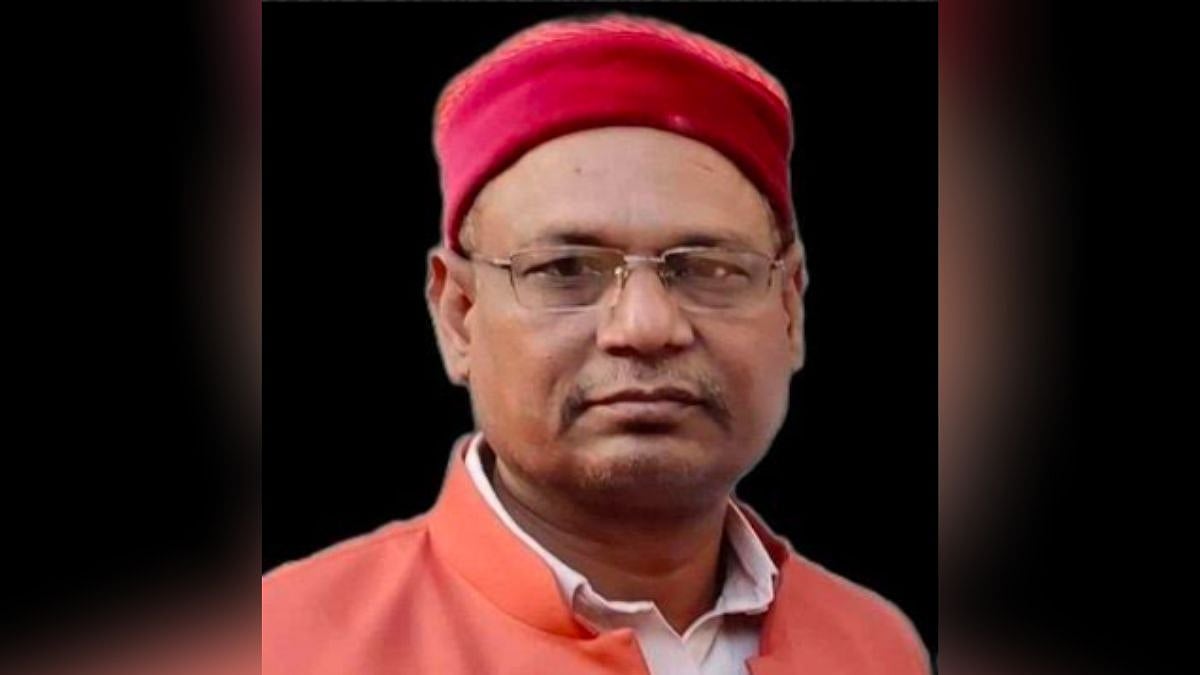
The Author is Former MLA, Bihar BJP Spokesperson
RECENT STORIES
-
-
-
-
-