Caught Between Reform And Rollback: Aviation Policy Flip-Flops Raise Concerns Over Safety And Passenger Rights
Recent aviation policy reversals, including changes to pilot duty norms and passenger-friendly rules, highlight tensions between safety, airline finances, and regulatory clarity. Frequent flip-flops risk undermining passenger trust and long-term stability in India’s aviation sector.

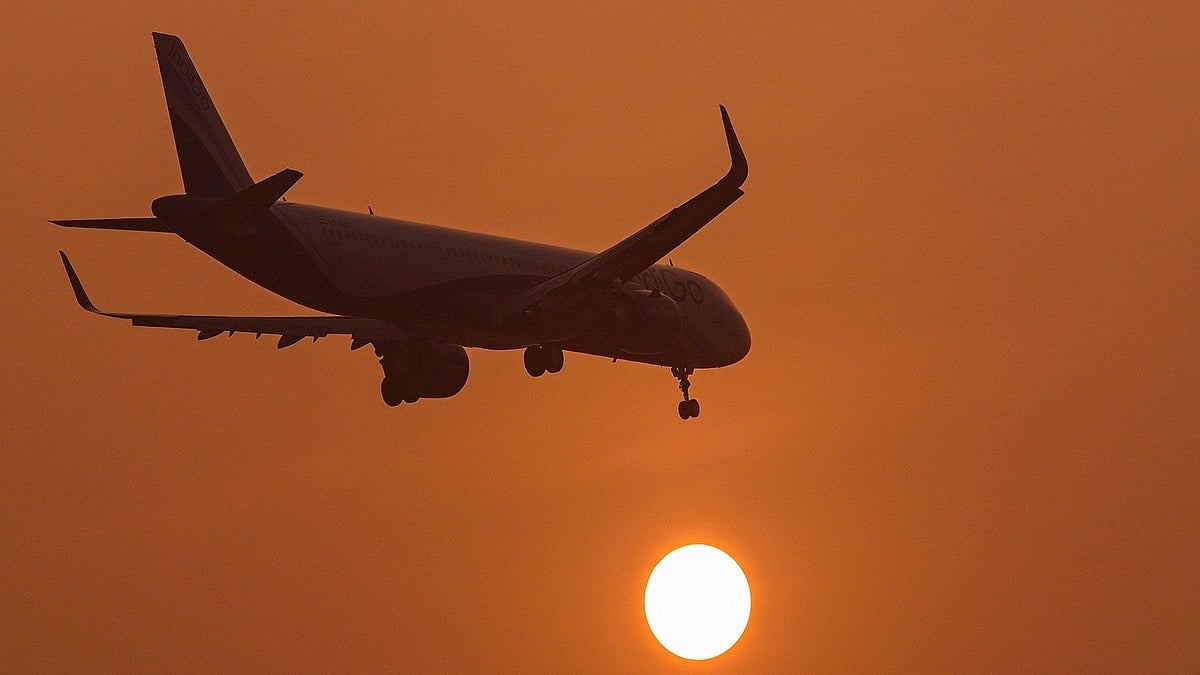
Frequent rollbacks in aviation rules spark concerns over passenger rights, pilot safety and regulatory consistency | Representational Image
The Government had, over the last few months, issued a clutch of rules ranging from a cap on how many hours a pilot can fly to a 60 per cent free seat selection rule, each of which has either been reversed or put in abeyance following strong opposition from the domestic airlines.
The DGCA had put passengers first when drawing up these norms, which was seen as a win for passenger rights at a time when the regulator was widely perceived as slow in implementing reforms that benefited them.
FDTL rules and safety concerns
Perhaps the most controversial decision was the implementation of the Flight Duty Time Limitation (FDTL). It is a set of rules that caps the number of hours a pilot can fly and work in a given period and mandates minimum rest time between duties to prevent fatigue-related accidents, making flying safer for passengers. It mandated longer rest periods for pilots and was considered scientifically sound by international bodies.
IndiGo failed to implement the rule in November last year, leading to complete chaos. It was forced to cancel more than 4,500 flights during a 10-day crisis. The total financial loss was over Rs 1,500 crore, while the market cap nosedived by over Rs 37,000 crore.
It led to the airline's sacking, and last week a new CEO was appointed. Instead of treating this as a necessary correction to reckless rostering, the government rushed to dilute and defer the very safety regime it had just endorsed.
Policy reversals on passenger-centric reforms
The same flip-flop is on display in another reform. New refund rules and the proposal to make at least 60 per cent of seats free of selection charges were widely welcomed. Passengers, long nickel-and-dimed on everything from baggage to seat choice, received a positive response.
Airlines, operating on wafer-thin margins and facing no relief on fuel, taxes or airport charges, pushed hard to reverse the decision — and, once again, New Delhi blinked.
Balancing airline viability and passenger rights
There is a legitimate tension here. Indian carriers genuinely face a hostile cost environment, and a policy that clamps down on ancillary revenues without addressing input costs will only exacerbate the sector’s fragility. But that is precisely why the government’s on-again, off-again approach is so damaging.
By trying to lean towards consumer-protection rhetoric and then quietly rolling the measures back, it undermines safety, confuses passengers and investors, and reinforces the perception that regulation is just another negotiable variable in airlines’ business plans.
Hard safety norms like FDTL, once adopted, should not be hostage to one airline’s planning failures. Consumer-facing rules must be paired with a coherent plan to ease structural costs.
It should recognise that both the airlines and the passengers are equal stakeholders, and there should be buy-in from both sides on any reforms, however difficult it may be for the regulator to secure. Persistent uncertainty around reforms can severely destabilise and erode confidence across the entire industry.
RECENT STORIES
-
-
-
-
-