Appeasement Or Abandonment? Prime Minister Shehbaz Sharif’s Impossible Choice As Pakistan Bleeds Over Khamenei Death
As Prime Minister Shehbaz Sharif walks through a perilous diplomatic minefield between Washington and Tehran, deadly anti-American protests across Pakistan have left 20 dead, forcing the government to balance domestic religious outrage against the urgent need to maintain fragile strategic international ties

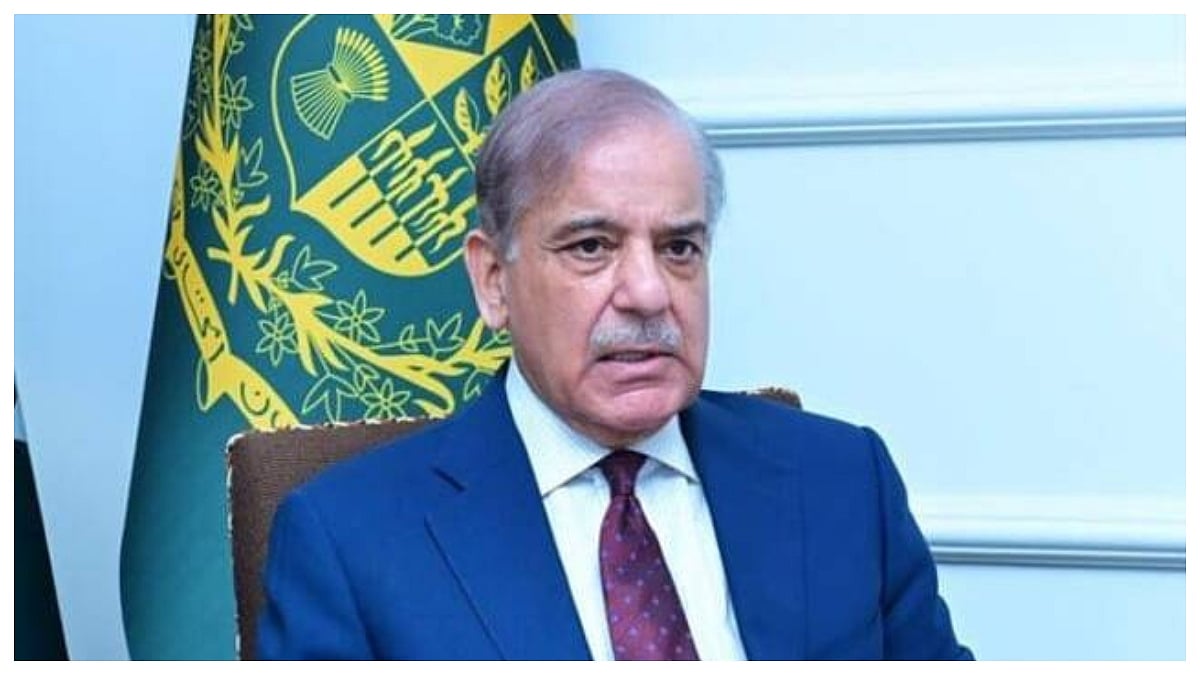
Pakistan Prime Minister Shehbaz Sharif |
Caught between a rock and a hard place, Pakistan’s Prime Minister Shehbaz Sharif is treading through a diplomatic minefield. He faces a gruelling choice: abandonment or appeasement.
Fresh off a wave of public praise from US President Donald Trump, Sharif is understandably desperate to stay in the president’s good graces. However, the regional reality is far more complex. While he has expressed solidarity with Iran, he has carefully avoided any rhetoric that could be perceived as a critique of the Trump administration.
"The Government and the people of Pakistan join the people of Iran in their hour of grief and sorrow and extend the most sincere condolences on the martyrdom of His Eminence Ayatollah Seyyed Ali Khamenei. Pakistan also expresses concern over violation of the norms of international law. It is an age old convention that the Heads of State/Government should not be targeted. We pray for the departed soul. May Allah Almighty grant patience and strength to the Iranian people to bear this irreparable loss," Prime Minister Sharif said on X (formerly Twitter).
The targeted killing of Iranian Supreme Leader Ayatollah Ali Khamenei in coordinated US-Israeli airstrikes has ignited a firestorm of violence across Pakistan, claiming at least 20 lives and leaving dozens wounded. In the wake of an incident where US Marines were reportedly forced to engage protesters targeting the US Consulate, Prime Minister Sharif faces a critical diplomatic challenge.
The Pakistan government is now moving urgently to contain a burgeoning anti-American sentiment that threatens to destabilise the country’s fragile international standing during an exceptionally fluid period for global security.
Nationwide escalation and fatalities
The most severe unrest centred in Karachi and the northern region of Skardu, resulting in 10 and eight deaths respectively, while two additional fatalities occurred in Islamabad. Despite the country's Sunni majority, the Shia community—which comprises roughly 20 per cent of the 250 million population—led massive demonstrations that frequently devolved into skirmishes with security forces.
In the capital, thousands defied a ban on gatherings to march toward the Red Zone and the Diplomatic Enclave, branding supporters of the United States as traitors and demanding immediate retribution against Israel.
Turmoil in Karachi and Sindh
Violence peaked in Karachi as protesters clashed with law enforcement near the US Consulate on Mai Kolachi Road. The encounter left 10 people dead and over 70 injured, prompting the Sindh Home Department to enforce a month-long ban on all rallies, sit-ins and the public display of weapons under Section 144.
While the provincial government struggled to restore order through tear gas and baton charges, medical facilities across the city remained overwhelmed, with several victims remaining in critical condition.
Unrest in the northern territories
In Gilgit-Baltistan, a region with a significant Shia presence, the city of Skardu witnessed extreme property damage and loss of life. Protesters targeted international symbols, setting fire to the offices of the United Nations Military Observer Group and damaging local infrastructure, including a school. The severity of the chaos forced authorities to implement a three-day curfew as they attempted to secure the mountainous district.
Government appeals and diplomatic posture
Interior Minister Mohsin Naqvi issued a televised plea for calm, acknowledging the profound grief shared by the Muslim world while urging citizens to refrain from taking the law into their own hands. While the Pakistani government has officially condemned the military strikes on Tehran, it has also maintained a balanced stance by criticising subsequent Iranian actions in the Gulf. This dual approach reflects the prime minister’s broader objective to manage domestic outrage without permanently damaging strategic ties with Western powers.
RECENT STORIES
-
-
-
-
-