Mobile Manufacturing In India Employs 12 Lakh People: IT Minister Ashwini Vaishnaw Hits Back At Criticism Of India's Subsidies
IT Minister Ashwini Vaishnaw hit back at criticism of India’s phone manufacturing subsidies, writing 'Cope harder!' on social media. He said the government paid Rs. 19,000 crore in mobile PLI incentives while collecting Rs. 25,000 crore in direct tax and Rs. 3 lakh crore in GST.

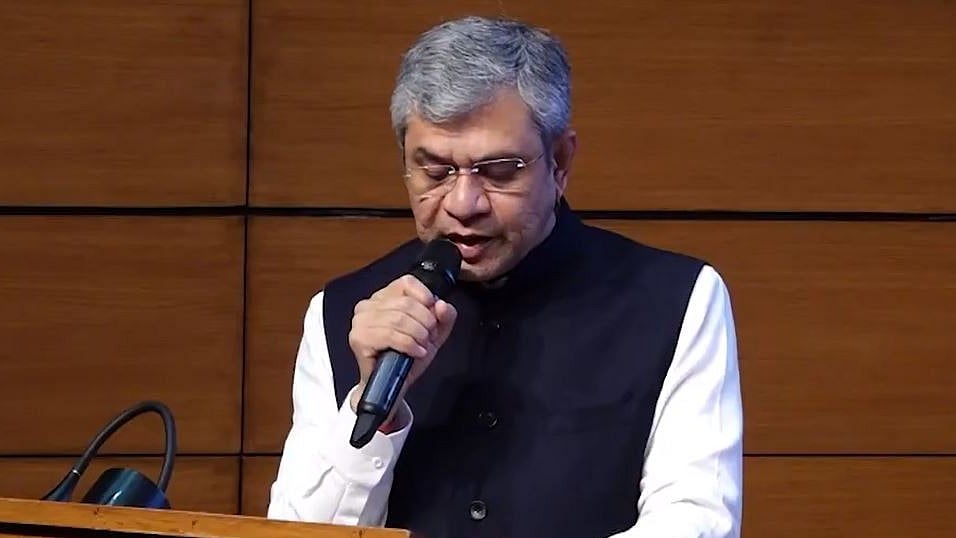
Union Minister Ashwini Vaishnaw |
Electronics and IT Minister Ashwini Vaishnaw responded to criticism of India's subsidy-led phone manufacturing push with a short list of numbers and a sign-off that said, "Cope harder!!" The post appears to answer a Bloomberg Opinion argument that the gains from India's iPhone boom may not justify the subsidy cost. He also said that electronics manufacturing employs 25 Lakh people, whereas mobile manufacturing alone employs 12 Lakh.
What Vaishnaw said
His post said the government paid Rs. 19,000 crore in incentives under the mobile production-linked incentive (PLI) scheme and collected Rs. 25,000 crore in direct tax and Rs. 3 lakh crore in GST. It added that electronics manufacturing employs 25 lakh people, 12 lakh of them in mobile manufacturing. The post responded to a media opinion video claiming drawbacks of subsidising electronics manufacturing with public money, as compared with the ecosystem in China.
Bloomberg columnist Andy Mukherjee says India now makes one in four iPhones, but still depends heavily on imported components. He argues the manufacturing gains may not justify the growing taxpayer subsidies needed to replicate China's success. His column, "Apple's iPhone factories will not make India the next China," published on October 22, uses a simple test: if India is moving up the value chain, exports of finished phones should outpace imports of the components that go into them. He argues that paying suppliers ever-larger subsidies to recreate China is unlikely to work, and that India should aim to be an engineering and design hub.
What the numbers show, and what they don't
The two sides are measuring different things. Vaishnaw's figures are fiscal and jobs-based: tax collected against incentives paid. Mukherjee's is a trade and value-added test. Both can be true. A scheme can pay for itself in tax and still leave India importing most of a phone's value.
The post gives no period for the tax figures, so it's unclear whether they're cumulative since the scheme began. Gross tax receipts also don't say how much of that revenue the subsidy caused, since part of GST comes from phones sold at home. The figures are government numbers, and I haven't seen them independently verified. The minister's data doesn't address the import-versus-export balance the column raises.
The 25 lakh jobs
The employment numbers (25 lakh in electronics, 12 lakh in mobile) are a headline point in the government's favour, but the post doesn't say how many are direct or indirect, or how many are in assembly versus higher-skilled work. That distinction matters to the column's thesis.
Where the policy is heading
India has since rolled out the Mobile Phone Manufacturing Scheme with a total incentive of Rs. 62,500 crore, aimed at indigenously designed and made smartphones. Electronic exports have risen eightfold to about Rs. 3.3 lakh crore in 2024-25 from Rs. 0.38 lakh crore a decade earlier.
RECENT STORIES
-
-
-
-
-