'I Couldn't Stay In Good Conscience': Researcher Alex Turner Explains Why He Quit Google DeepMind
Google DeepMind AI safety researcher Alex Turner resigned after the company signed a Pentagon deal that he said lacked safeguards against killer robots and mass AI surveillance. Turner claimed he spent months urging stronger restrictions before leaving. Around 600 Google employees had reportedly opposed the agreement involving classified AI work.

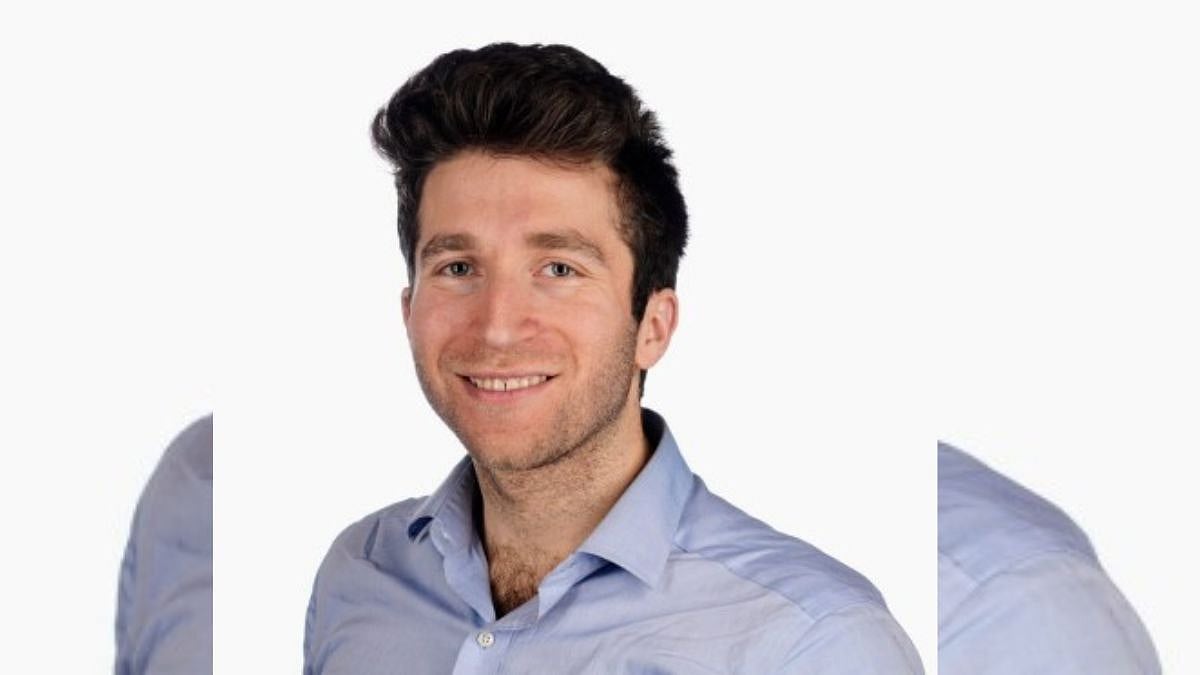
A Google DeepMind research scientist has publicly detailed the reasons behind his resignation from the company, saying he left after Google signed a Pentagon deal that failed to include restrictions against killer robots or mass AI surveillance. Alex Turner, who spent more than two years working on AI safety at Google DeepMind, announced his departure in a lengthy blog post published on July 15, tracing months of internal efforts to influence the company's stance before ultimately deciding to walk away.
Pentagon deal without restrictions
The Pentagon confirmed in early May that it had reached an agreement with Google, alongside Microsoft, Amazon and OpenAI, for what it described as lawful operational use of AI capabilities. According to Turner, senior leadership at Google had repeatedly assured employees that the company would not sign such an agreement.
"Senior management had insisted that Google wouldn't sign. I disagreed with them, but they largely ignored my warnings," Turner wrote in his blog post. He added that the eventual outcome fell short of what he had hoped for. "Google still signed a deal handing over their AI without restrictions against killer robots or mass AI spying. Google's contract restrictions were even weaker than OpenAI's. At that point, I couldn't stay at Google in good conscience, so I left," Turner wrote.
ALSO READ
Months of internal campaigning
Turner's blog post describes an extended campaign inside and outside Google to push the company toward stronger ethical commitments before the Pentagon deal was finalised. He wrote that he had approached senior AI figures, including Jeff Dean, Google's Chief Scientist and co-lead of the Gemini project, to use their influence to stop the agreement. Turner said he succeeded in getting Dean to co-sign an amicus brief supporting Anthropic against the Pentagon, but said he did not believe Dean used his broader leverage to prevent Google's own deal from going through.
He also said he authored a 25 page proposal containing contract language and oversight mechanisms, which he sent to DeepMind CEO Demis Hassabis. The proposal, Turner wrote, was praised by military and surveillance law experts but was routed to senior policy staff and left unattended until Google signed its agreement with the Pentagon.
Timing of the decision
Turner indicated that his decision to leave was directly tied to the signing of the deal rather than a longer standing plan to exit the company. "I think I would have stayed a few more months if they hadn't signed the deal. When Google signed, I just couldn't do any more work. My brain said no," he said.
Declined offers from rival AI Labs
Turner also noted that he has not joined another company since leaving Google DeepMind, despite interest from competing AI labs. "When an employee leaves a top AI lab, it's often into the arms of another. They usually rack up a huge bonus that way. That's not what I did: I didn't flirt with competitor labs and I declined outreach from the OpenAI safety team. I'm unemployed right now," he wrote.
Not an isolated objection
Turner is not the only Google employee to have raised concerns over the Pentagon agreement. Around 600 employees reportedly signed an internal petition in April urging the company not to proceed with any deal involving classified work. The contract itself includes language stating that the AI system is not intended for domestic mass surveillance or autonomous weapons use, though it also states that Google does not have the right to control or veto lawful government operational decisions once the technology is deployed.
RECENT STORIES
-
-
-
-
-