‘He Tried His Best To End My Career’: Jwala Gutta’s Shocking Claims Against Former BAI Chief VK Verma
Former Indian badminton player Jwala Gutta accused ex-BAI president VK Verma of repeatedly trying to end her career by sidelining her despite major achievements. Gutta claimed lack of institutional support and controversies prevented her from reaching greater heights in international badminton.

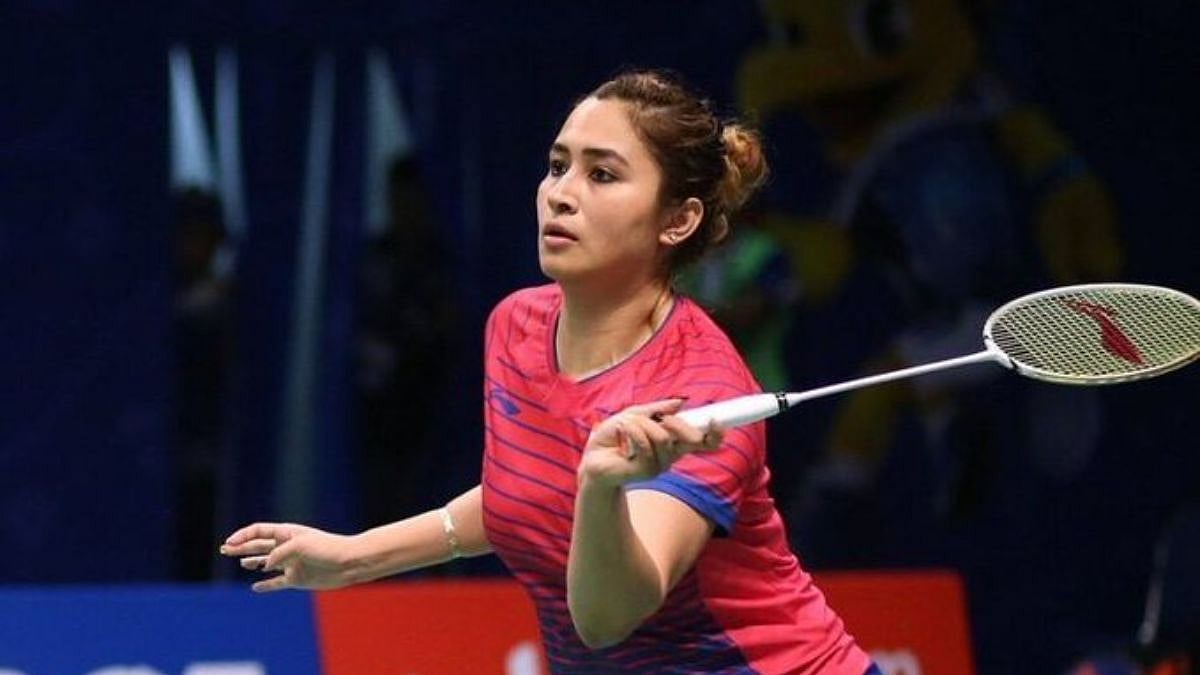
Former Indian badminton star Jwala Gutta alleges bias and lack of institutional support during her international career | IANS
New Delhi, May 21: Former Indian badminton star Jwala Gutta believes her career could have reached even greater heights had she received consistent institutional backing and been kept away from controversies during her playing days.
In an exclusive interview with IANS, the former doubles player made strong allegations against former Badminton Association of India (BAI) president V.K. Verma and coaches, claiming attempts were repeatedly made to sideline her career.
The 2010 Commonwealth Games gold medallist opened up about the emotional and professional toll of repeatedly fighting the system while trying to compete at the highest level.
Jwala recalls Commonwealth Games controversy
“V.K. Verma tried his best to end my career,” she alleged. Recalling the 2010 Commonwealth Games, where she and Ashwini Ponnappa won gold before Saina Nehwal clinched her singles title later that evening, Gutta said she felt visible bias in the celebrations.
“Ashwini and I were the first players to win gold because we played two hours before Saina. Technically, we were the first women to win gold.”
Gutta said she publicly voiced her frustration at the time and claimed that then-BAI president Verma celebrated Saina’s victory publicly while showing little enthusiasm for the doubles triumph.
“After two hours, when Saina won, V.K. Verma ran on the court, celebrating her gold. Why was our gold less? That day I said in the interview, ‘V.K. Verma is not happy that I won’.”
Claims of being sidelined from Indian team
She also alleged that Verma got her removed from the Indian team without explanation, despite her continued ability to contribute to Indian badminton, and said she was again sidelined after the Rio Olympics, which eventually convinced her to stop fighting the system.
“He threw me out of the team in 2006. No reason given. It’s all on record. He threw me out again after the Rio Olympics. After that I thought, what’s the use of fighting? There’s no use,” Gutta remarked.
Even then, she argued she could still have contributed by helping younger doubles players develop through training and sparring. “I even said that if I am there, juniors will play with me, it will benefit them for sparring. Why are you throwing me out?”
Calls for systemic changes in Indian sport
Gutta insisted that no athlete willingly chooses conflict but said she was forced into battles simply to protect her career.
“Which player wants to be in controversy? I had to fight for my right. If I didn’t, I would have been finished long back. The system has to change. We have to make sports an affordable profession because without parents’ moral or financial support, one can’t become a player,” Gutta said.
Using Olympic champion Neeraj Chopra as an example, she underlined the importance of sustained investment and personalised support in building world champions.
“How much money has been spent on Neeraj Chopra? We should talk about that first. To become a world champion, how much personal attention should an athlete receive? Neeraj Chopra is a perfect example.”
Gutta then reflected on her own journey, claiming she rose to world No. 5 largely without financial backing or sponsorship support.
“Without support and without financial backing, I reached world number five. Had I received support and sponsors, and had I been kept away from controversy, then I would have been world number one.”
Also Watch:
ALSO READ
Despite the disappointments, Gutta maintained that she still wants to contribute meaningfully to Indian sport and grassroots development.
But she also acknowledged that in today’s sporting ecosystem, political influence often determines who gets heard.
“That’s why it’s important to be a politician. Politics is the easiest way now to come clean. No one will call you rebellious then.”
(Disclaimer: Except for the headline, this article has not been edited by FPJ's editorial team and is auto-generated from an agency feed.)
RECENT STORIES
-
-
-
-
-