Maharashtra Reports ₹2,119.69 Crore Cyber Fraud Losses In First 8 Months; Only 27.71 Per Cent Of Money Saved
Maharashtra reported cyber fraud losses of Rs 2,119.69 crore in the first eight months of 2026, with only Rs 587.40 crore (27.71%) saved. Fast fund transfers, mule accounts, multi-state networks and delays in obtaining bank details hamper recovery. Police urge victims to report fraud immediately through 1930 and the national cybercrime portal.

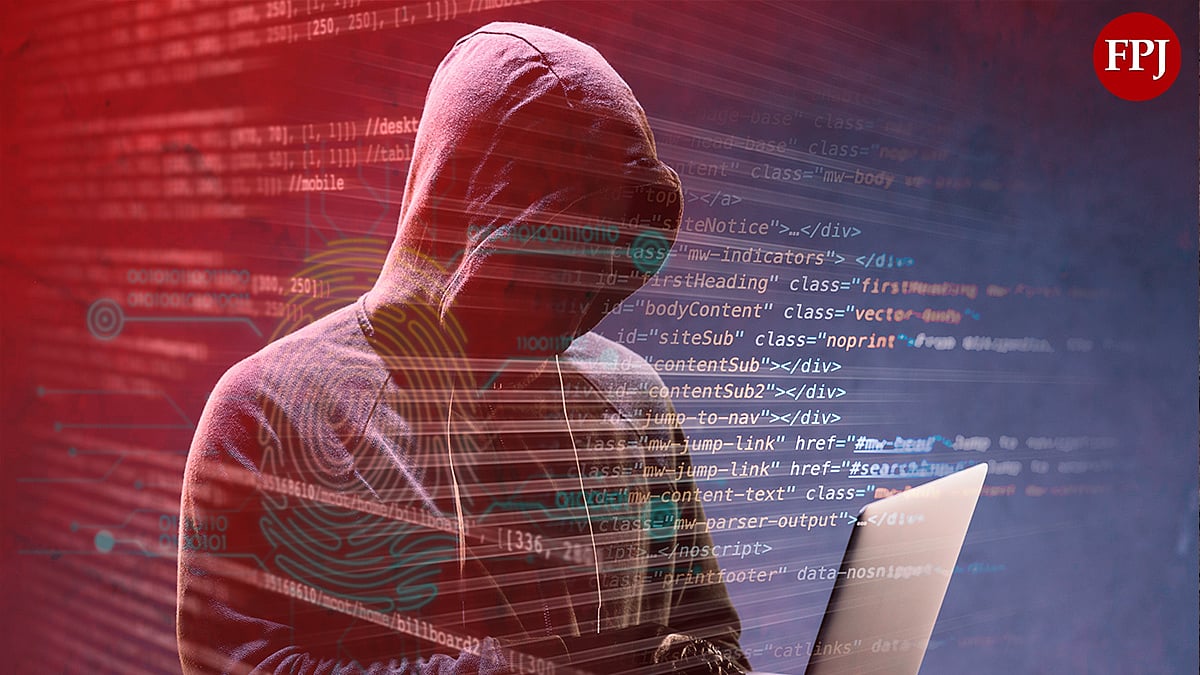
Maharashtra recorded cyber fraud losses exceeding Rs 2,119 crore in the first eight months of 2026, while investigators managed to save only 27.71 per cent of the amount | Representational Image
Mumbai, November 11, 2026: Maharashtra recorded cyber fraud losses of Rs 2,119.69 crore in the first eight months of 2026, translating into an average loss of Rs 8.72 crore every day.
Despite intervention by cyber police, only Rs 587.40 crore, or 27.71 per cent of the total amount, could be saved, leaving victims poorer by Rs 1,532.29 crore.
According to Maharashtra Cyber records, the agency received 2,08,767 complaints till August 31 this year. In comparison, it received 2,84,281 complaints in 2025, involving frauds worth Rs 3,536.42 crore, of which Rs 617.52 crore was saved.
The race to recover money lost to cyber fraud is becoming increasingly difficult as criminals move funds faster than investigators can track them.
The traditional 'Golden Hour'—the first 60 minutes after a fraudulent transaction—once considered crucial to stopping financial losses, is losing its effectiveness with instant banking, digital payment systems and sophisticated money-transfer networks.
The biggest challenge is the speed at which stolen money moves through the banking system. Fraudsters quickly split the amount and transfer it through multiple bank accounts, digital wallets and other channels. By the time victims realise they have been cheated and report the fraud, the money may have passed through several accounts, making it difficult to trace and freeze.
Mule Accounts And Multi-State Networks
Mule accounts have emerged as a major hurdle. Criminals allegedly use bank accounts belonging to economically vulnerable people and unemployed youth to route stolen money.
Investigative inputs suggest that individuals are sometimes offered Rs 15,000 to Rs 20,000 in exchange for their bank account kits and credentials. The money is then routed through several accounts, creating multiple layers between victims and the actual beneficiaries.
These networks operate across states, including Delhi, Rajasthan, Jharkhand, Haryana, Uttar Pradesh, Bihar, West Bengal and Gujarat. Different individuals handle specific tasks, from contacting victims and sending fraudulent messages to managing accounts and transferring money.
A fraud may originate in a village in one state, while the money is withdrawn from an ATM in Mumbai, making it difficult to identify the masterminds.
Investigators have also found that unemployed youth and college students are allegedly paid Rs 500 to Rs 1,000 to withdraw money from ATMs using cards linked to mule accounts.
Separate cash collectors then move the money further through the network. Some such operators have reportedly stayed in Thane, Mira Road and Nalasopara for 10 to 15 days, withdrawing cash from ATMs across Mumbai before moving out.
Delays Hamper Recovery Of Stolen Money
Although banks increasingly use AI-based systems to flag suspicious transactions, criminals continue to exploit gaps by routing money through multiple accounts and smaller transactions.
The Centre's Citizen Financial Cyber Fraud Reporting and Management System (CFCFRMS) has helped save over Rs 11,158 crore across more than 32.80 lakh complaints as of mid-2026, according to an official.
However, victims continue to face difficulties while reporting fraud through the national helpline 1930 and the National Cyber Crime Reporting Portal.
Heavy call volumes and delays in accessing transaction details can cost valuable time. Police officials said obtaining transaction-related information from banks can sometimes take 12 to 24 hours.
"Once a complaint is received, we examine the victim's bank details and understand the method of fraud. We immediately contact the concerned banks through email and telephone and initiate the process to stop further transfers. If the money is still within the banking system, it can be held," an official said.
The growing use of cryptocurrency and digital wallets has added another layer of complexity, as money moved beyond conventional banking channels becomes harder to trace and recover.
Cyber police officials advise victims not to wait until all documents are available before reporting fraud. They should immediately contact their bank, call 1930, register a complaint on the National Cyber Crime Reporting Portal and preserve transaction IDs, bank statements, screenshots and other evidence. Complaints lodged within the first 24 hours have a better chance of helping investigators freeze at least a portion of the stolen money.
Different Ways Criminals Cheat Citizens
Cybercriminals use several methods to target victims. Online financial fraud involves UPI scams, card fraud, fake customer care numbers and fraudulent investment or lottery schemes.
Phishing uses fake emails, messages and websites to steal passwords, OTPs and banking details. Ransomware locks personal or business data and demands payment to restore access.
Identity theft involves misuse of Aadhaar and PAN details, while online shopping scams lure customers through fake websites and attractive offers.
Cyberstalking, fake profiles, online threats and blackmail are used to harass individuals. In Business Email Compromise (BEC), criminals impersonate company executives or suppliers to trick employees into transferring money to fraudulent accounts.
Stay Safe: Dos And Don'ts
Dos
Use strong, unique passwords and enable two-factor authentication.
Verify website addresses, email senders and links before sharing information.
Keep mobile phones, computers and security software updated.
Report fraud immediately by calling 1930 or visiting https://cybercrime.gov.in.
Also Watch:
ALSO READ
Don'ts
Never share OTPs, UPI PINs, CVVs or banking passwords.
Avoid clicking suspicious links or downloading unknown attachments.
Do not conduct banking transactions over public Wi-Fi.
Never install remote-access or screen-sharing apps at the request of unknown callers.
Do not fall for unrealistic lottery, job or loan offers demanding advance payments.
To get details on exclusive and budget-friendly property deals in Mumbai & surrounding regions, do visit: https://budgetproperties.in/
RECENT STORIES
-
-
-
-
-