Kala Ghoda Arts Festival 2026: ‘Curating Literature Is A Responsibility As The World Tilts Forward,’ Says Literature Curator Tara Khandelwal
One of the youngest curators at KGAF on interdisciplinary programming, regional languages, and shaping conversations through books and beyond

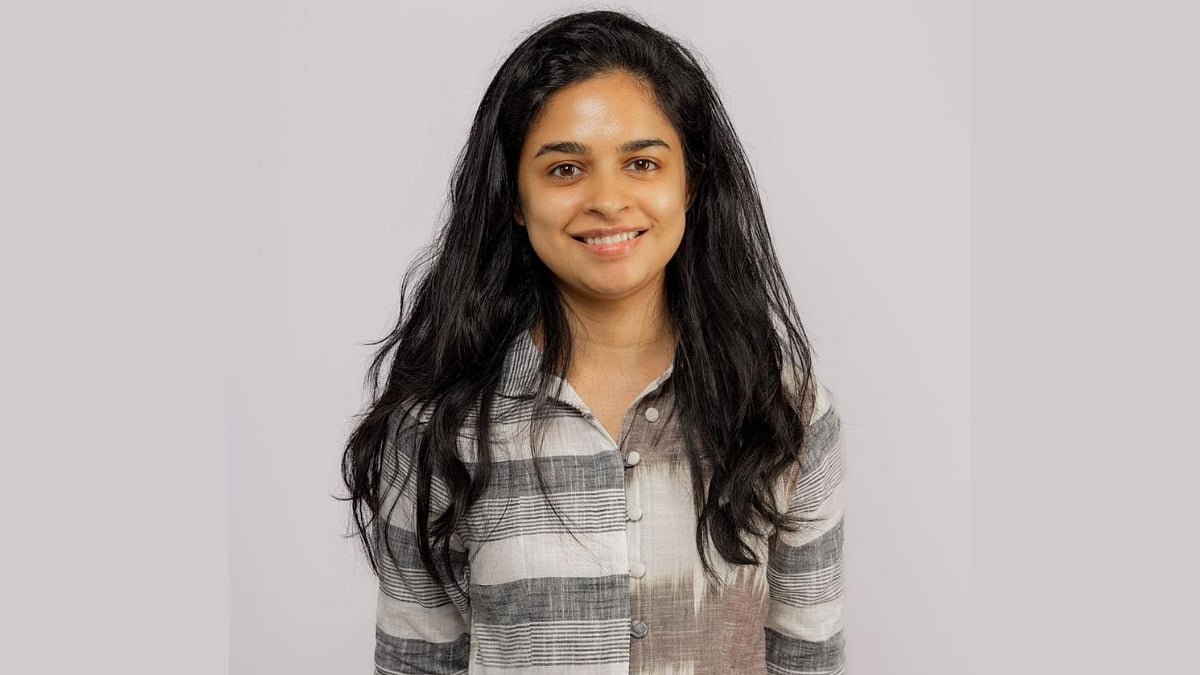
One of the youngest curators at the KGAF, Tara brings fresh perspectives and enthusiasm to the Literature vertical that she so passionately curates.
Excerpts from the interview:
What's that one thing that you love about Kala Ghoda Festival and why?
I love that it is interdisciplinary— one has the chance to explore literature in other formats because we are encouraged to cross pollinate our programs with other verticals. For example, I have curated joint programs with the food section, the dance section and the architecture section. It has given me the opportunity to explore literature in different formats — we have oral storytelling sessions on eco-feminism that combine mythology and folklore, heritage walks that explore how writers shaped Mumbai, a literary shark tank, a visual poetry exhibition, and much more. The team of curators, led by Brinda Miller is absolutely fantastic. And they manage to push the needle year on year.
What's most challenging in planning the Literature vertical?
I wish there were double the slots available. There are so many fantastic writers, uncovering wonderful and important topics that deserve to be centre stage.
Do you think Marathi should be a part of the festival in a better n bigger after way than it already is, since it's in Mumbai?
I think we have tried to incorporate Marathi in the festival. We have two sessions based on Marathi literature and a number of sessions also focusing on regional literature, Hindi and translation. We have a session called Mumbai through Words, Music and Memory where four accomplished Marathi artist read out from books in which Ambarish Mishra has chronicled his rich experiences of Mumbai. Then we have a session on letters across languages: Kafka, Rilke, and G. A. Kulkarni in Marathi Translation. We also have a session called Whose Urdu is it Anyway. Banu Mushtaq, booker prize winner and Volga are also to be in conversation about regional women’s literature, and Shanta Gokhale and Jerry Pinto will be in conversation about translation.
How did you convince Gulzar to be a part of your vertical?
The wonderful Sathya Saran has written about Gulzar’s work and life. The session has been put together with her help and the help of Penguin, the publisher and Gulzar’s manager. It actually wasn’t difficult at all to convince Gulzar Saab to be a part of this year’s festival. He agreed most readily!
Which is your most favourite this year and why?
I can’t choose. But I do like the balance we have managed to keep. We have sessions on Mumbai, true crime, writing female friendships, chronicling Hindi cinema, book launches of Vir Das’ and Suvir Saran’s new books, we have a workshop on climate narratives, a few sessions where we have explored climate change, we have Kiran Desai speaking about her new book, we have a conversation on performing gender based on Sandip Roy’s fabulous book Chapal Rani, we have a panel on writing from the margins. It is definitely hard to choose, but I think each and every session has been thought through very deeply and it does reflect a certain point of view. We have tried to be brave in the programming, keep a balance of hard-hitting conversations with conversations that explore culture and entertain. We have chosen the subtitle “the World Tilts Forward” which I think encapsulates the kind of commentary we want readers and audiences to be privy to.
What's one thing you would live to have but not managed?
As I said, many more sessions! There was a fantastic book called Scamlands by Snighda Poonam, but which was released too late to be included. There is also work by Neha Sinha, her new book Wild Capital about finding nature in Delhi. I look forward to curating a panel with naturalists like her and Yuvan Aves. I would have liked to include Tarini Mohan who has written a brave new memoir about living with brain damage(my company Bound worked on the book). I am amazed at what is out there, and can’t wait to showcase it all in the years to come. Curating a festival like this is a responsibility — you have a responsibility to the audience - to inform them, entertain them and showcase the best of what is out there. We really do want to make people think. After all, we are operating in the new ideas. So we definitely want to contribute to the discussion as the ‘world tilts forward’.
RECENT STORIES
-
-
-
-
-