Indian Soul And A Global Silhouette Define Furniture Trends For 2026
Modern furniture design is where sustainability meets modular magic in homes that are both heritage and hustle

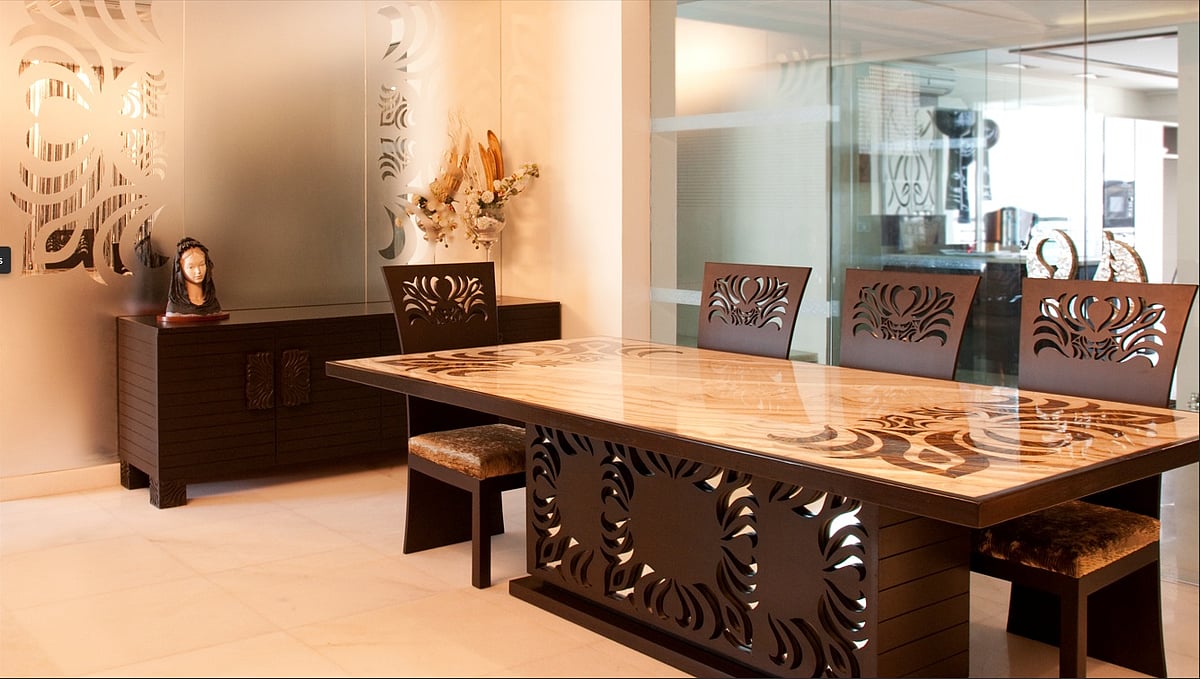
Strrot’s dining table |
Prasoon Joshi’s 2019 Fevicol ad, Sharma ki dulhin, evokes, apart from nostalgia, the collective belief of evergreen and long-lasting furniture, just like the two-seater sofa that thrived over 60 years. There is a renewed interest in heirloom furniture or antiques that have withstood fleeting trends. The success of these pieces, as Gaurav Jain, Founder and Creative Director, Orange Tree, describes, is based on: “Timeless designs, enduring materials, and solid construction. Durability plays a pivotal role, so look for solid wood and high-quality natural materials that stand the test of time, rather than composites with thin veneers.”
It must also hold emotional and historical depth. This is the emotional connection, along with authenticity, longevity, and material integrity, that continues to be the deciding factor for furniture purchase. Arshita Singhvi, Founder of Rara Studio, adds, “There is also a strong shift toward sustainability and slow luxury with a preference for fewer, better things rather than fast, disposable furniture.” Design remains the ultimate deciding factor in determining whether a style is mid-century modern or Scandinavian, reflecting a person’s personality. “Consumers are searching for far more than just utility in furniture; they are looking for pieces that feel authentic and are crafted with intention,” adds Riddhima Khandelwal, Co-founder and Creative Head, ellementry. Good design is also smart design. Ergonomically designed, multi-purpose furniture that easily adapts to compact urban spaces has been the preference for modern homes.
For 2026, furniture buying decisions, while continuing to follow the foundational principles, will also look at holistic trends. “People today want furniture that meets three criteria: it has to feel good, look good, and do good for the planet,” says Sidhant Lamba, Founder, Strrot. The Indian furniture landscape promises a beautiful intersection between time-honoured craftsmanship and global design directions. Here are the key trends for furniture in 2026:
Multifunctionality
Practical pieces that are consciously made with timeless designs are going to be the drivers in the coming years. Pieces like modular sofas, dining setups that can fold away, beds with built-in storage, or even consoles that can charge your devices, although they have been around, will become an imperative for new purchases.
Reimagined classics
The modern Indian consumer seeks home decor that they can connect with, feel familiar, tranquil and not just picture-perfect or Instagram-ready. Global silhouettes elevated with artisanal crafts, vintage designs reimagined for today’s discerning audience, are being sought after.
Slow design
Sustainability and natural materials continue to take centre stage, with consumers preferring materials like wood, cane, bamboo, rattan and reclaimed wood. There is also a rejection of mass-produced furniture in favour of slow-crafted, low-intervention pieces made with time, skill, and intention. Use of mixed material and fusion, from the pairing of stone with wood to inventive uses of metal, clay, and glass, is a reflection of sustainability as well as tactile richness.
Sculptural forms
There is demand for functional art. Furniture is moving away from rigid lines towards flowing curves and shapes inspired by nature, which adds a sense of warmth and approachability to living spaces. Consumers are seeking sculptural silhouettes, soft curves, hand-turned legs, carved details, and pieces that hold physical presence even in stillness.
Revival of past-inspired design
There’s a resurgence of antiques, colonial forms, and heritage craftsmanship as a modern luxury statement. Indian design is reinterpreting traditional artisanship, whether that’s intricate motifs or regional crafts, but giving them new context through modern palettes, innovative forms, and fresh functionality. Mixing old with contemporary spaces is becoming the ultimate expression of individuality and timeless taste.
RECENT STORIES
-
-
-
-
-