Beyond Muscles And Injuries: Dr Shraddha Patel Explains Why Cardiovascular Physiotherapy Matters For Heart And Lung Health
Cardiovascular physiotherapy goes beyond injury recovery, helping strengthen the heart and lungs, improve endurance and breathing, rebuild confidence after surgery and support better everyday health through personalised rehabilitation and exercise.

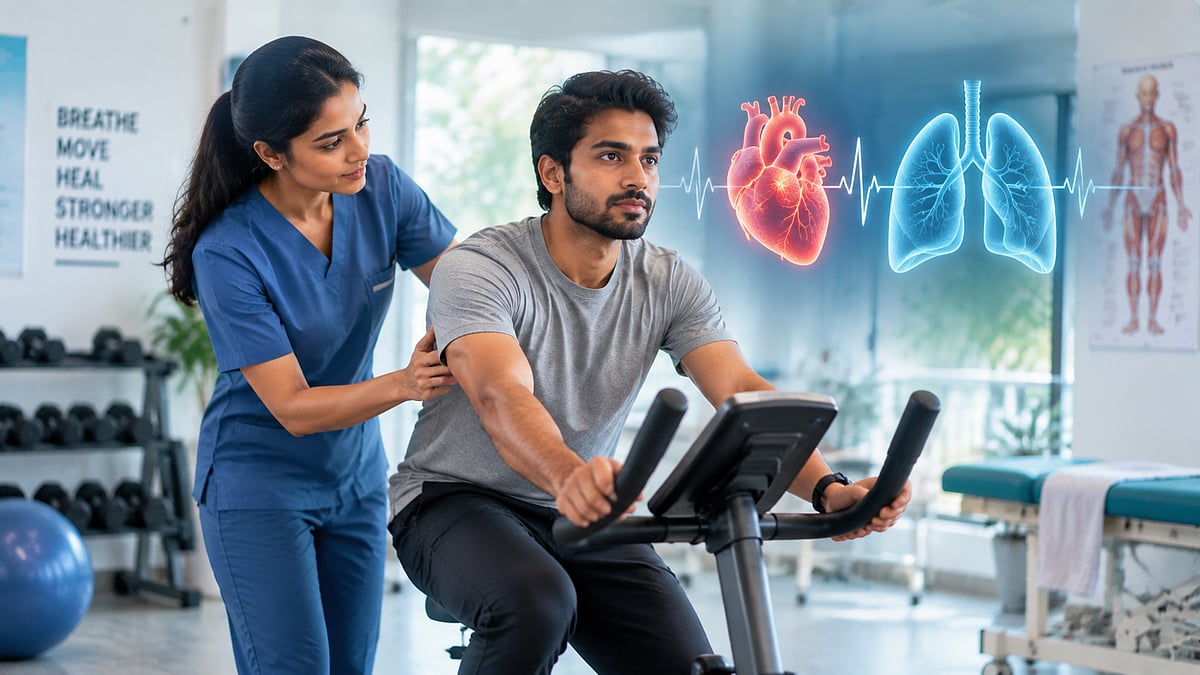
Beyond Muscles And Injuries: Dr Shraddha Patel Explains Why Cardiovascular Physiotherapy Matters For Heart And Lung Health | AI Representational Image
Physiotherapy is commonly associated with muscle pain, bone injuries and rehabilitation after accidents, but its role extends well beyond restoring movement. In an exclusive interview with The Free Press Journal, Dr Shraddha Patel, a Cardiovascular and Pulmonary physiotherapist with three years of experience, sheds light on a lesser-discussed branch of physiotherapy that focuses on improving heart and lung function, endurance and overall physical capacity.
Patel says the principle behind cardiovascular and pulmonary physiotherapy is simple: the heart, lungs and muscles work together to keep the body moving. This interconnectedness makes cardiovascular fitness important not only for people recovering from cardiac procedures or dealing with reduced physical capacity, but also for maintaining overall health.
The Heart Is A Muscle Too
“Your heart is also a muscle,” Patel says, explaining why exercise forms an important part of cardiovascular rehabilitation. Just as other muscles require strength and endurance training, the heart needs to be challenged appropriately to improve its capacity.
The vascular system is equally important because it carries blood throughout the body. Better heart function supports circulation, while the lungs supply the oxygen needed during physical activity. The muscles around the lungs also play a role in breathing, she explains.
In practice, cardiovascular fitness cannot be viewed separately from movement. When a person exercises their legs, for example, the muscles require oxygen, blood and nutrients. The heart pumps the blood, the lungs provide oxygen and the vascular system carries it where it is needed.
This interconnectedness is one reason cardiovascular and pulmonary health deserves attention even among people who do not have a diagnosed heart or lung condition. Waiting for illness before thinking about endurance and breathing capacity overlooks an important aspect of preventive health.
Recovery Goes Beyond Physical Strength
Physiotherapy can become particularly important after heart surgery. Patel says surgery involving the chest can affect muscles and fascia, while stitches and discomfort can restrict movement of the chest and upper limbs.
This restriction can reduce lung capacity, endurance and stamina, eventually affecting a person’s quality of life.
“If a person could walk 10 steps easily, now after the surgery, he takes five steps and he’s tired,” she says.
Rehabilitation, therefore, is not simply about rebuilding muscle strength. A cardiovascular physiotherapist may work on cardiac strength, lung capacity and upper-body strength to help a patient return to normal activities.
For Patel, however, cardiac rehabilitation should aim higher than merely restoring patients to their previous condition. The goal should be to help them build a healthier body than they had before.
Fitness Matters Even Before Illness
People without heart disease can also have cardiovascular systems that function adequately but not necessarily at their best capacity, Patel says. Activities such as walking can indicate how well a person’s endurance and breathing systems are functioning.
“If you feel that when you walk one mile and you are tired, it means it’s not good. So, you need to work,” she says.
For someone with a cardiovascular condition, exercise becomes even more significant. Such patients, Patel says, require personalised exercise protocols based on their condition rather than a one-size-fits-all approach.
Exercise is often discussed mainly in terms of weight, appearance or muscle strength. But cardiovascular fitness is also about whether the heart and lungs can efficiently support everyday activities.
Overcoming The Fear Of Exercise
One of the challenges after a cardiac event or surgery is fear. Patients may worry that physical activity could harm their heart or interfere with recovery.
Patel says she has encountered contrasting attitudes. Healthy people may dismiss something as basic as a breathing exercise because it appears too simple. After heart surgery, however, the same person may become frightened even of taking a deep breath because of pain around the stitches or discomfort in the chest.
This is where supervised rehabilitation and patient education become important. A physiotherapist must explain why an exercise is being prescribed and adapt the rehabilitation programme to the person’s stage of recovery.
Immediately after surgery, certain techniques are followed while the patient and surgical wound recover. More intensive training can be introduced later according to an appropriate protocol, she says.
Clear communication can help patients understand what is happening to their bodies. In cardiac rehabilitation, rebuilding confidence can be almost as important as rebuilding endurance because fear itself can become a barrier to movement.
When Breathing Easier Means Success
Success in cardiovascular physiotherapy does not necessarily mean achieving an impressive fitness milestone. Sometimes, it means allowing someone to perform everyday activities without struggling for breath.
“If a patient comes with a complaint of breathlessness, I would want that patient to not have breathlessness in his day-to-day activities,” Patel says.
For patients recovering from serious illness or surgery, being able to walk, breathe comfortably and manage routine activities can represent a significant improvement in their quality of life.
Patel also believes cardiovascular assessment should not be overlooked in patients seeking physiotherapy for other conditions. People with muscular problems or those recovering from a stroke may also need their cardiovascular and pulmonary systems assessed because these can be affected alongside their primary condition.
“Working only on arms and legs muscle strength is not enough. Cardio is very important because at the end of the day, your heart is the one which is pumping and your lungs are the one which is giving you the oxygen,” she says.
From ‘Massage’ To Specialised Care
Public understanding of physiotherapy has changed considerably during Patel’s years in the field. When she was pursuing her education, she recalls, physiotherapy was often viewed largely as massage rather than a discipline involving structured exercise and rehabilitation.
Later, another perception emerged: patients questioned whether there was any meaningful difference between going to a gym and undergoing physiotherapy because both involved exercise. Some preferred gyms because the workouts appeared more intense, followed fixed schedules and offered greater variety.
That perception is gradually changing, according to Patel. People are beginning to understand that physiotherapy and gym training serve different purposes and that rehabilitation can be tailored to a person’s condition and the precautions they need to follow.
She has noticed this shift over the past seven to eight years, with patients becoming more interested in understanding their conditions and more accepting of specialised branches of physiotherapy, including cardiovascular and pulmonary rehabilitation.
The change matters. Physiotherapy is not merely about treating an aching muscle or recovering after an injury. In cardiovascular care, it can involve restoring endurance, improving breathing, rebuilding confidence after surgery and helping people return to everyday life.
More importantly, Patel’s experience points to a broader lesson: heart and lung fitness deserve attention before poor health forces people to think about it.
RECENT STORIES
-
-
-
-
-