Who Built Mumbai Faster? Development Debate Dominates BMC Run-Up
Mumbai’s development record has become a key political issue ahead of the BMC polls, with Mahayuti claiming faster infrastructure progress under Devendra Fadnavis and accusing the MVA of delays. Supporters cite projects like Atal Setu, Metro expansion and the coastal road, while critics blame coalition politics for stalled works, making “speed versus slowdown” central to the civic election debate.

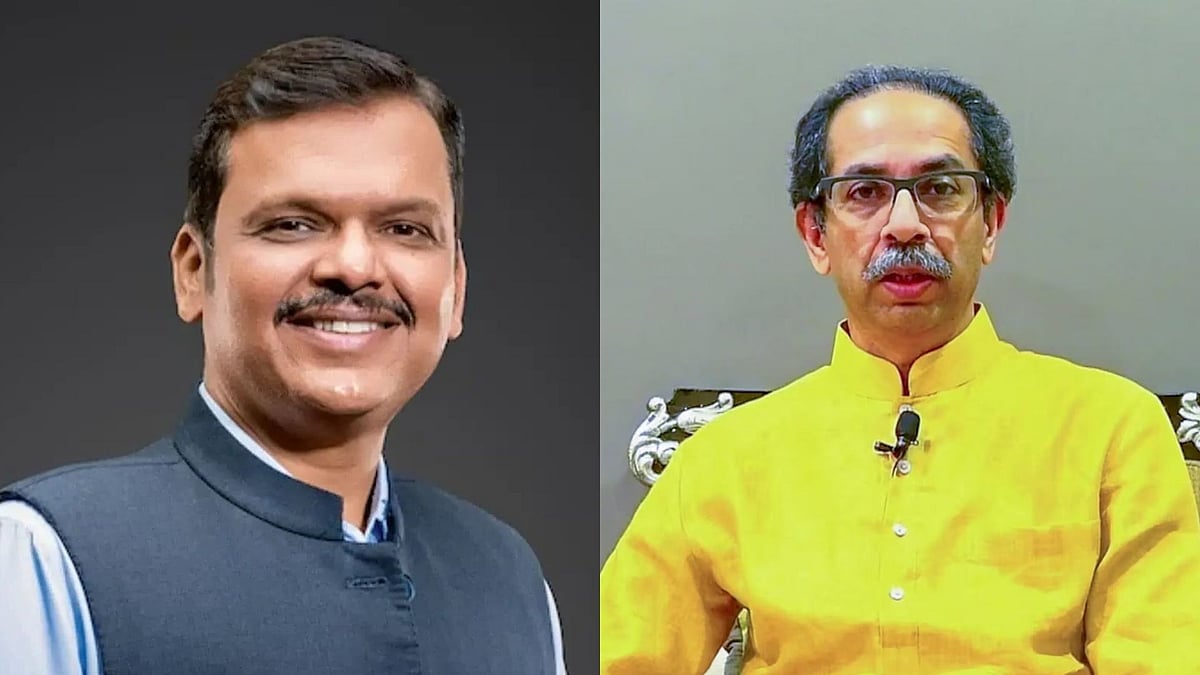
Mumbai, widely regarded as India’s financial capital, has once again become a battleground over development as political parties prepare for the upcoming Brihanmumbai Municipal Corporation (BMC) elections. The ruling Mahayuti alliance claims that large infrastructure projects progress faster under governments led by Devendra Fadnavis, while the Opposition Mahavikas Aghadi (MVA) is accused of delaying or halting key works during its tenure. With civic polls nearing, Mumbai’s development record has emerged as a major political talking point.
Mahayuti leaders argue that their administrations restored Mumbai’s identity as a fast-moving, purpose-driven city. They contend that delays in roads, Metro lines and connectivity projects affect millions of commuters and businesses, and allege that interruptions are often politically motivated rather than caused by technical, environmental or financial hurdles.
Supporters point to the 2014–2019 period, when Fadnavis was Chief Minister, as a decisive phase for infrastructure. Long-pending projects received approvals, Metro corridors expanded, the coastal road moved from planning to execution, and work began on the Mumbai Trans Harbour Link, now known as Atal Setu. They say swift clearances and decisive leadership set the pace for major transport initiatives, a contrast they draw with later delays in tunnels, bridges and Metro 3.
Critics of the 2019–2022 MVA government under Uddhav Thackeray claim development slowed as coalition politics took precedence. The Aarey Metro 3 car shed dispute became a flashpoint, with opponents alleging politically driven decisions led to cost overruns and years of delay. They also accuse the government of sidelining infrastructure and welfare schemes, a charge that intensified during the COVID-19 lockdown amid allegations of mismanagement.
After the 2022 change in government, Mahayuti supporters say stalled projects were revived, citing the opening of Atal Setu, progress on the coastal road, Metro expansions and the Mumbai–Ahmedabad bullet train. With political stakes high ahead of the BMC polls, the debate now centres on whether Mumbai will continue on a path of fast-paced development or return to a phase marked by delays and uncertainty.
RECENT STORIES
-
-
-
-
-