No Right To Pollute Rivers In The Name Of Religion: Madras High Court On Thamirabarani Rituals
The Madras High Court on July 9 observed that no one has the right to pollute a water body in the name of religion, citing large-scale dumping of clothes and other items into the Thamirabarani river during death rituals. The Bench noted environmental and public health hazards and directed the administration to propose solutions after hearing all stakeholders before issuing final orders.

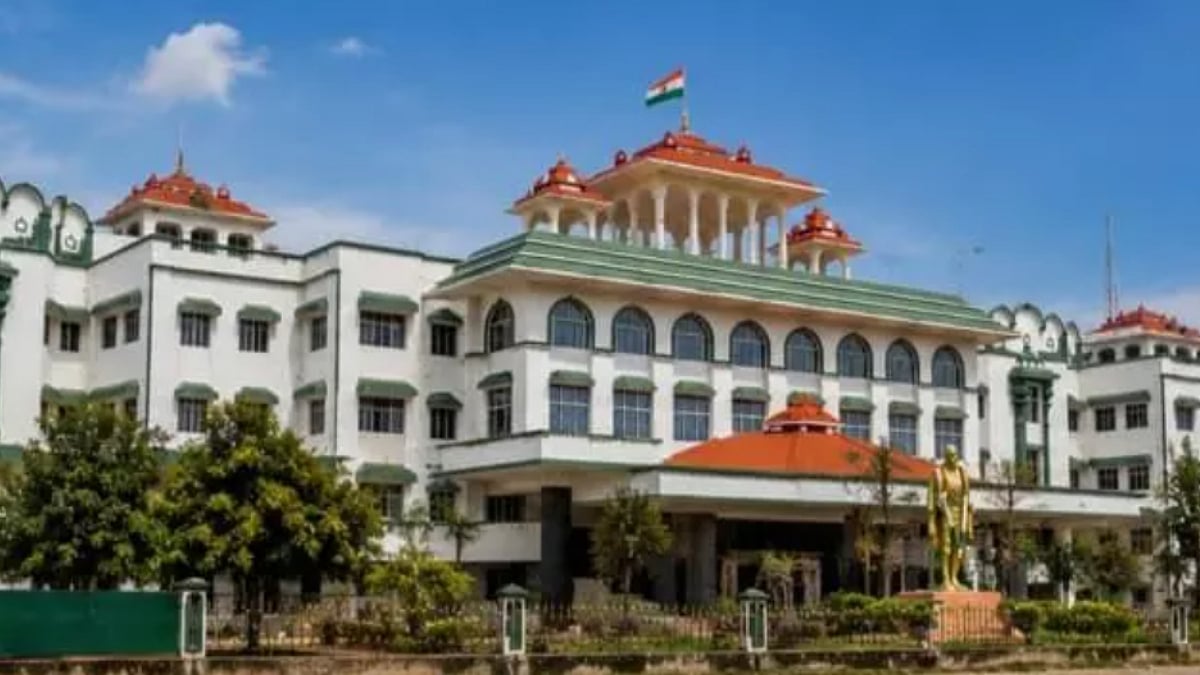
No Right To Pollute Rivers In The Name Of Religion: Madras High Court On Thamirabarani Rituals | X - @VidhyasagarAry1
The Madras High Court has observed that nobody has the right to pollute a water body in the name of religion while expressing concern over the large-scale dumping of clothes and other items into the Thamirabarani river during rituals for the dead.
In an order passed on July 9, a Madurai Bench of Justices GR Swaminathan and B Pugalendhi said that the right to religious freedom under Article 25 of the Constitution is subject to public health. The Bench added that believers may follow practices that are spiritually beneficial only if they do not damage the environment or infringe on the rights of others, Bar & Bench reports.
“No one has the right to pollute a water body even in the name of religion,” the Bench underlined.
The observations came while the Court was hearing a petition challenging proceedings initiated under the Tamil Nadu Land Encroachment Act against the petitioner in connection with a mandapam in Tirunelveli district.
ALSO READ
Court cites alarming pollution data
During the hearing, the Court was informed that thousands of devotees visit the bathing ghats of the Thamirabarani river to perform obsequies, during which used and unused garments, towels, slippers and articles associated with the deceased are discarded into the river.
The Bench interacted with environmental activist Moorthy, who has been involved in cleaning the river. He informed the Court that at least one tonne of garments is dumped into the river every day.
The Court also referred to a booklet stating that between May 7 and May 28, cleaning drives removed 86 to 90 tonnes of clothes from the river, along with 1,385kg of plastic, 374kg of sanitary napkins and diapers, 220kg of glass bottles and 115kg of slippers.
The Bench noted that polyester clothes are not biodegradable and can become breeding grounds for bacteria after getting trapped in the riverbed. It also observed that Indian black turtles and Indian flapshell turtles found in the river could become entangled in the discarded clothes and suffocate.
Referring to Article 21 of the Constitution, Section 36 of the Tamil Nadu Public Health Act, 1939, and Section 24 of the Water (Prevention and Control of Pollution) Act, 1974, the Court said the statistics placed before it were alarming and required the administration to educate the public on a war footing.
“Because it is destroying the river, we feel compelled to intervene.”
Stakeholders to be heard before final order
The Bench, however, declined to issue immediate prohibitory directions, noting that the issue involved the religious beliefs and sentiments of a large number of Hindus. It said all stakeholders should be heard before a final order is passed.
The Court directed the Tirunelveli District Collector to publicly announce that it proposes to pass orders on July 16. Religious organisations and activists have been permitted to intervene and make submissions. The district administration has also been asked to place proposals before the Court for a final solution.
Advocate Ramasamy S appeared for the petitioner, Government Advocate M Kannan represented the authorities, while advocates VR Shanmuganathan and N Sharmiya appeared for the Hindu Religious and Charitable Endowments Department.
RECENT STORIES
-
-
-
-
-