Supreme Court Orders Centre To Probe National Pattern Behind Missing Children Cases Across India
The Supreme Court of India has directed the Centre to collate nationwide data on missing children to identify possible networks or patterns, with Justices B. V. Nagarathna and Ujjal Bhuyan flagging alarming figures showing over three lakh children went missing since 2020.

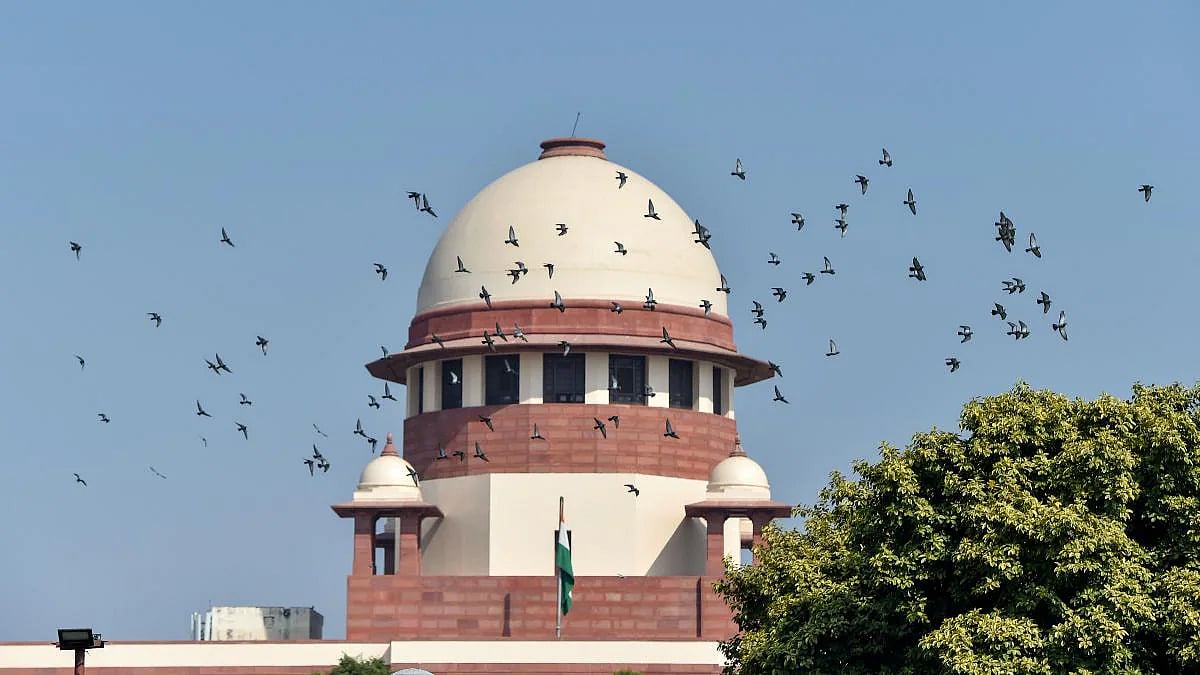
The Supreme Court directs the Centre to analyse nationwide data on missing children to identify possible trafficking networks and patterns | File Photo
By directing the Centre to ascertain if the cases of thousands of missing children across India point to a nationwide network with a discernible pattern or can be attributed to state-specific groups, the Supreme Court has compelled the government to consider the issue with the seriousness and significance it deserves. The bench of Justices BV Nagarathna and Ujjal Bhuyan stated, on Tuesday, that the Centre must collate the data of missing children, including how many are found, from all states and union territories for a ‘meaningful analysis’. The significance of this direction becomes apparent from the government’s submission to the apex court that, between 2020 and 2024–25, a staggering 3 lakh and more children went missing, and, of them, more than 36,000 remain so.
Human trafficking concerns loom large
While state police forces and their anti-human trafficking units have stepped up vigilance and searches in the past few years, the ramifications of the issue cannot be ignored. Expectedly, going by the data available, six or seven of every ten missing children are young girls. The angle of human trafficking looms darkly over this. Individual states come up against procedural and other hurdles in tracing the missing children. This is why the SC directive to the Centre matters. The Centre has, so far, advised states and UTs to transfer all cases to their anti-human trafficking units if they are not traced within four months of being reported missing and allocated Rs 100 crore to upgrade or set up such units for the “prevention, protection and prosecution” of cases of child kidnapping.
Need for coordinated national response
However, the SC asking the Centre to trace a possible “national network” and a “discernible pattern” will lend greater might and depth to the process. It would be a much-needed next step. The states have to come good too. It is disconcerting that most states and UTs have not even filed the requisite data, including Andhra Pradesh, Tamil Nadu, West Bengal, Jammu & Kashmir, Jharkhand, Nagaland, Punjab and Delhi, according to the status report filed in the SC. There can be no excuse for this. Delhi is particularly disturbing because, despite all the security measures in the national capital, an average of 54 people go missing every day, with more than three-fourths of them girls or young women. Madhya Pradesh, Bihar and Odisha rank at the top of this notorious list too for the 2020–2025 data.
Responsibility now on the Centre
Nearly 10–20 per cent of the missing children are never found, causing immense grief to families. It is evident that without a cogent approach and comprehensive strategy that is coordinated between states and UTs, it will be difficult to arrest the phenomenon of missing children. The SC directive now places the responsibility fair and square on the Centre. If done right, this should go a long way in addressing the issue. There will be some who run away from their homes on one pretext or another, but the staggering numbers should reduce.
Published on: Thursday, February 12, 2026, 09:56 PM ISTRECENT STORIES
-
-
-
-
-