Beyond Colourful Packaging: How Brands Are Rethinking Food For Children
Children's packaged food is evolving beyond flavours and packaging as brands focus on healthier formulations, clean-label ingredients, and nutrition. Companies are reformulating everyday snacks, adopting advanced food technologies, and improving transparency to meet parents' growing demand for better-for-you products without compromising on taste, quality, or shelf life.

Beyond Colourful Packaging: How Brands Are Rethinking Food For Children | File photo
For decades, innovation in children’s packaged food was largely visible on the outside: a new flavour, a fun shape, a cartoon character, or brighter packaging. That formula is beginning to change. As parents become more conscious of nutrition and ingredient labels, brands are being pushed to innovate inside the product – through reformulation, supply chain innovations, packaging innovations, and better-for-you claims.
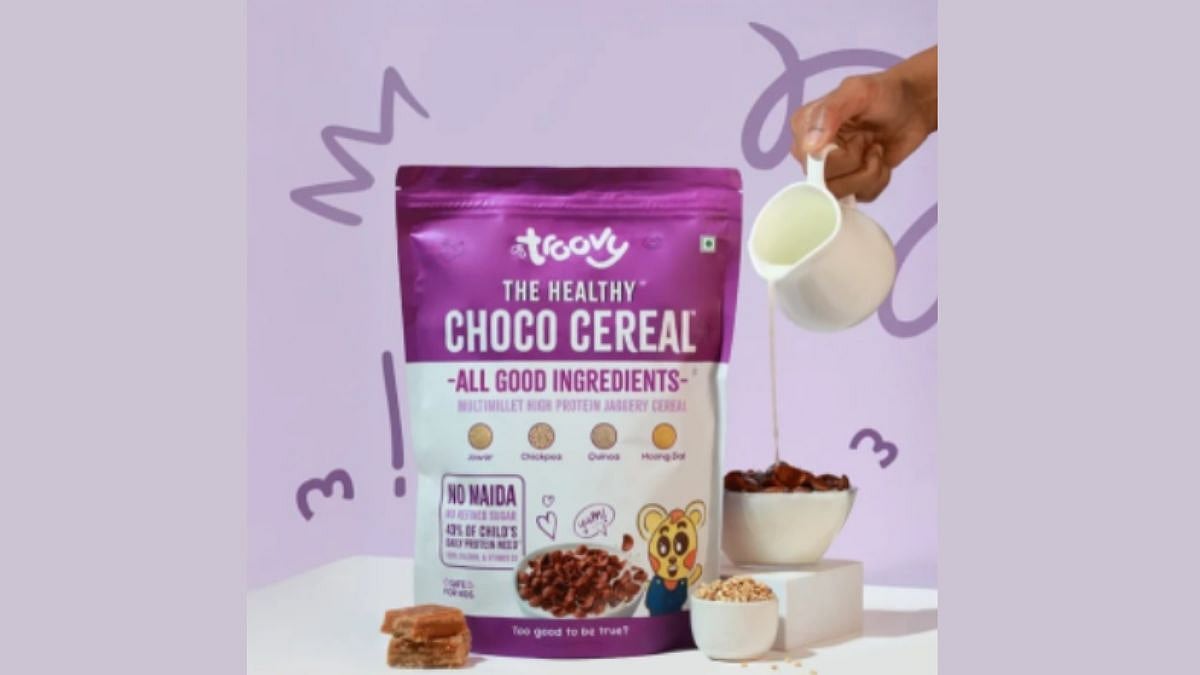
Brands such as Troovy, Slurrp Farm, and Timios reflect a broader shift in the children's snacking category, where cleaner ingredients, nutrition, and greater transparency are becoming key areas of focus.
Here's how that innovation is taking shape.
Reformulating Everyday Foods
One of the biggest shifts in the packaged food industry is taking place at the formulation stage. Brands are redesigning recipes to reduce ultra-processed ingredients and artificial additives while enhancing taste, texture, and nutritional value. Whole grains, vegetables, millets, and other natural ingredients are replacing highly processed alternatives.
For example, Troovy has introduced chips made without artificial additives, preservatives, colours or flavours while incorporating vegetables and rice bran oil. Slurrp Farm has built much of its portfolio around millets, while Timios has expanded its range of better-for-you puffs and cereals. Collectively, these developments reflect the industry's growing focus on cleaner formulations.
Innovation Beyond the Ingredient List
The innovation extends beyond ingredients to include supply chain, preservation, and packaging. Companies are investing in technologies that meet the demand for recognisable ingredient lists without compromising on taste and shelf life.
For instance, some brands are using clean-label technologies like retorting and UHT to make ready-to-consume food and beverages. Others are making low-oil snacks via baking and roasting. Specialised multi-layer packaging and nitrogen flushing help maintain shelf stability without artificial preservatives.
Rethinking Familiar Food Formats
Another trend shaping healthy food innovation is the reimagination of familiar foods rather than creating entirely new categories. Across the sector, brands are redesigning existing products - cereals, snacks, sauces, and noodles- to encourage healthier eating through formats children already recognise.
That’s what makes these products most compelling for parents. They don’t have to position the healthier alternative as a compromise to children - a win-win for both.
Transparency over innovation
The next phase of innovation in children’s food will likely be judged less by novelty and more by evidence. Brands will need to demonstrate not only what they have removed from their products, but also what nutritional value they have added, how their claims are substantiated, and whether children genuinely enjoy the result.
As scrutiny increases, the companies that combine transparency, technology, and taste are likely to shape the category.
RECENT STORIES
-
-
-
-
-