India's Semiconductor Push Faces Critical Materials Challenge: Ashwini Vaishnaw
Union Minister Ashwini Vaishnaw identified dependence on critical materials as a major challenge to India's semiconductor ambitions. Speaking at the Bloomberg New Economy Forum, he stressed domestic capabilities in chemicals, gases and substrates. The Rs1.27 lakh crore Semicon 2.0 programme aims to strengthen manufacturing, supply chains and technological resilience

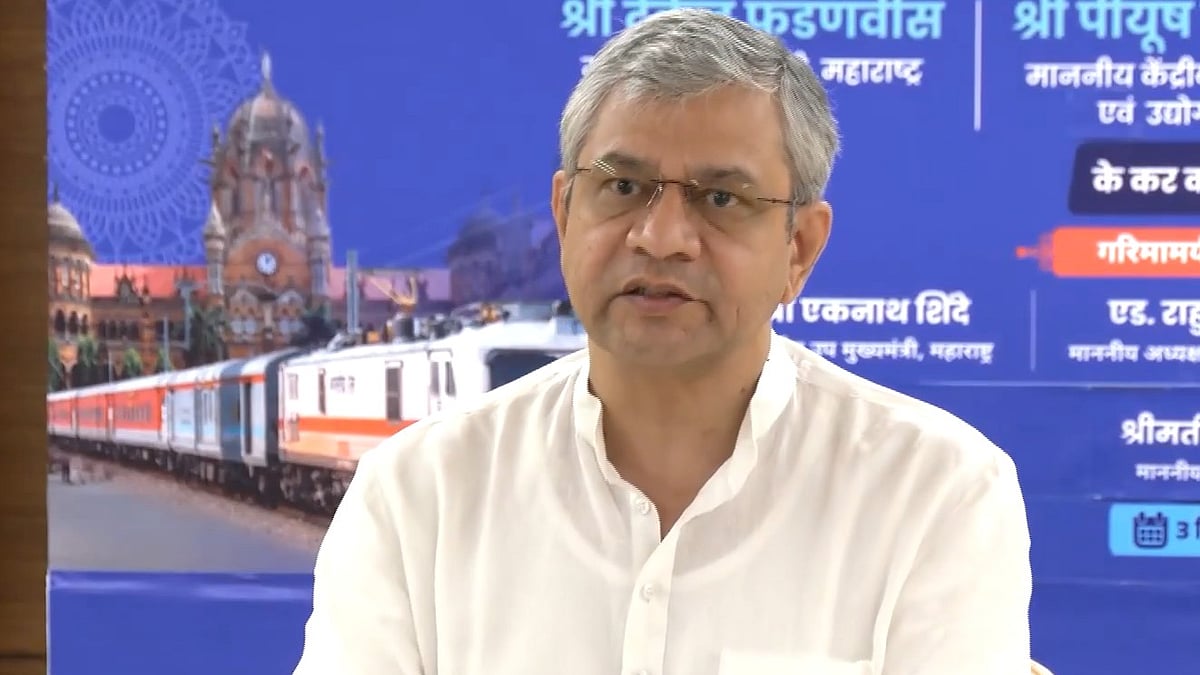
IANS
India's reliance on imported critical materials remains a major challenge to its ambition of achieving technological sovereignty, Union Electronics and Information Technology Minister Ashwini Vaishnaw said on Wednesday.
Speaking at the Bloomberg New Economy Forum in New Delhi, Vaishnaw highlighted the need to strengthen domestic capabilities in semiconductor materials, chemicals, gases and substrates.
He warned that the concentration of essential technology supply chains in a few countries could undermine India's efforts to emerge as a reliable global manufacturing partner.
ALSO READ
Semicon 2.0 To Strengthen India's Critical Materials Ecosystem
Vaishnaw identified critical materials as one of the biggest dependencies affecting India's semiconductor industry.
He said countries with established semiconductor material ecosystems had invested more than two decades in developing manufacturing and processing expertise.
India, however, must accelerate this process to meet its technological ambitions.
The minister stressed the importance of building capabilities in handling, manufacturing, processing and storing specialised materials.
Under the second phase of India's semiconductor programme, the government is expanding its focus beyond chip fabrication and assembly.
The Union Cabinet approved Semicon 2.0 in July 2026 with an allocation of Rs1.27 lakh crore.
The programme places greater emphasis on strengthening domestic supply chains for essential manufacturing inputs.
Vaishnaw said India's strategy involves progressing from assembling finished products to producing modules, components, materials and eventually capital equipment.
He highlighted the importance of building integrated industrial ecosystems, citing similar approaches in railway systems and defence manufacturing.
India Seeks Technology Sovereignty
Vaishnaw clarified that technological sovereignty does not mean eliminating dependence on international partners.
Instead, India's objective is to identify strategic vulnerabilities and develop domestic capabilities in areas critical to economic resilience.
He said India would continue participating in global value chains while expanding its manufacturing presence.
Chip design remains a key area where the country possesses competitive strengths.
The minister also acknowledged that advanced technology manufacturing would remain internationally interconnected.
However, changing geopolitical conditions and cybersecurity concerns are increasingly influencing global sourcing decisions.
According to Vaishnaw, trust is becoming as important as manufacturing costs when companies select technology partners.
India aims to capitalise on its established strengths in information technology and product design to position itself as a dependable destination for advanced technology manufacturing.
RECENT STORIES
-
-
-
-
-