Dollar Index Dips Over 1% Under The Weight Of Geopolitical Uncertainty, Wiping Out 2026 Gains
The US Dollar Index (DXY) fell sharply by more than 1 percent to around 98.58 on Wednesday, erasing all its gains for 2026. Geopolitical uncertainty in the Middle East, including doubts over the Iran-US-Israel ceasefire and potential new fees on the Strait of Hormuz, triggered the decline. The weakening dollar reflects growing investor concerns over global trade routes and regional stability.

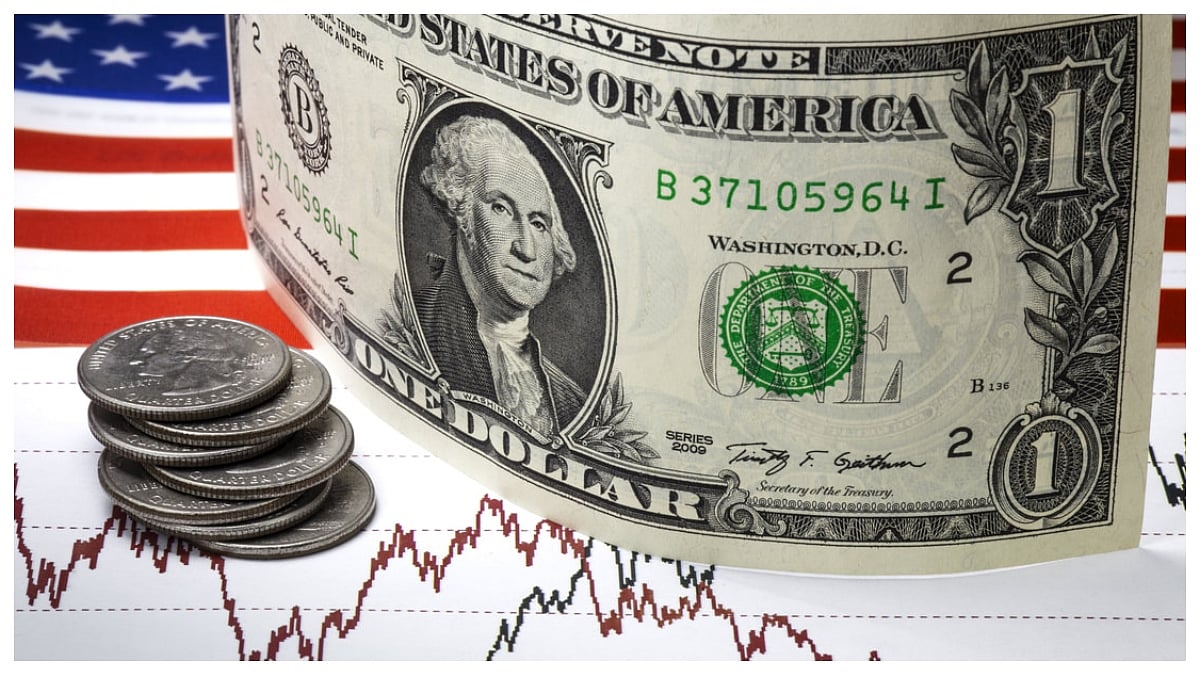
The US Dollar Index (DXY) fell sharply by more than 1 percent to around 98.58 on Wednesday, erasing all its gains for 2026. |
New Delhi: The US Dollar Index (DXY) slipped sharply on Wednesday, falling more than 1 per cent to around 98.58, as geopolitical uncertainty in the Middle East weighed on global markets. The latest declined put it on track to wipe out the gains it had made earlier in 2026. The drop comes at a time when global investors are closely watching developments in the Middle East. The index, which tracks the strength of the US dollar against a basket of six major currencies, is widely used as a measure of the dollar’s global performance.
It includes the euro, which carries the highest weight at 57.6 per cent, followed by the Japanese yen at 13.6 per cent, the British pound at 11.9 per cent, the Canadian dollar at 9.1 per cent, the Swedish krona at 4.2 per cent and the Swiss franc at 3.6 per cent. A falling Dollar Index indicates that the US currency is weakening against its global peers, and Wednesday’s decline reflects growing uncertainty in financial markets. The movement comes after Iran, the United States and Israel reached a two-week ceasefire agreement on April 7.
The last-minute deal allowed Donald Trump to step back from earlier threats of a major military offensive against Iran. However, reports of fresh attacks in Iran and Gulf Arab countries on Wednesday have raised doubts about the stability of the ceasefire. Further adding to market concerns, officials indicated that Iran and Oman may introduce fees for ships passing through the strategically crucial Strait of Hormuz.
The passage, located within the territorial waters of both countries, has traditionally been treated as an international waterway where ships were not required to pay transit charges. The combination of geopolitical tensions and uncertainty over key global trade routes has weighed on investor sentiment, contributing to the weakening of the US dollar. Markets are expected to remain volatile as the situation in the region continues to evolve, experts stated.
Disclaimer: This story is from the syndicated feed. Nothing has been changed except the headline.
RECENT STORIES
-
-
-
-
-